Every month a woman’s body goes through a series of changes to release an egg- an unfertilised oocyte. In order for the released egg to be fertilised it requires sperm. Fertilisation is a complex series of steps which involves hormones, timings and overall health. The success rate of the oocyte being fertilised directly depends on the egg quality and fertility.
Factors Affecting Egg Viability
- Maternal Age
Advanced maternal age results in decrease in ovarian reserves and poor egg quality making fertilisation difficult. Ovarian reserves refers to both quality and quantity of egg. It is usually assessed by a simple blood test which detects hormones—AMH and FSH in the blood are the main indicators for ovarian reserve.
- Ovulation Timings
It is very important that the egg is fertilised during the time of ovulation– the egg is only viable for 12-24 hours after ovulation. Conditions like PCOS, thyroid dysfunction or other hormonal abnormalities disrupt the time of ovulation hence intercourse is not done at the right time resulting in an unfertilised egg.
- Nutritional Status
The health of the mother directly affects the quality of the egg. Poor nutritional status results in low quality eggs, decreasing viability of eggs.
- Chromosomal Integrity
A human egg normally has exactly 23 chromosomes for fertilisation to take place with a sperm— also containing 23 chromosomes. This results in an embryo consisting of 46 chromosomes which is required for normal development. Processes known as mitosis and meiosis take place during cell division that results in a healthy embryo. Therefore it is a crucial step in understanding reproductive cells and how it can affect egg viability.
- Lifestyle and External Environment
Many people are not aware but some of the daily habits can greatly affect egg viability— cigarette smoking, poor sleep, sedentary lifestyle; these are some of the main causes of poor egg health. Certain diseases such as cancer require chemotherapy and radiotherapy which reduces the quality of egg/sperm affecting the chances of fertilisation of the egg.
Fertility Health and Diagnosis
Couples should be well aware of their fertility health when trying to conceive. It is very common to have a good quality egg and still face fertility issues, as there is a major difference between a viable egg and a successfully fertilised egg— a viable egg only depends on the female but a successfully fertilised egg is significantly influenced by the male factor. At Njinsky IVF & Fertility Clinic we aim to provide detailed check-ups of both the male and the female partners in case of infertility. An accurate diagnosis is crucial when diagnosed with infertility because a fertilised egg grows into a proper embryo and successful implantation would lead to a healthy and successful pregnancy.
Treatments for an Infertile Egg
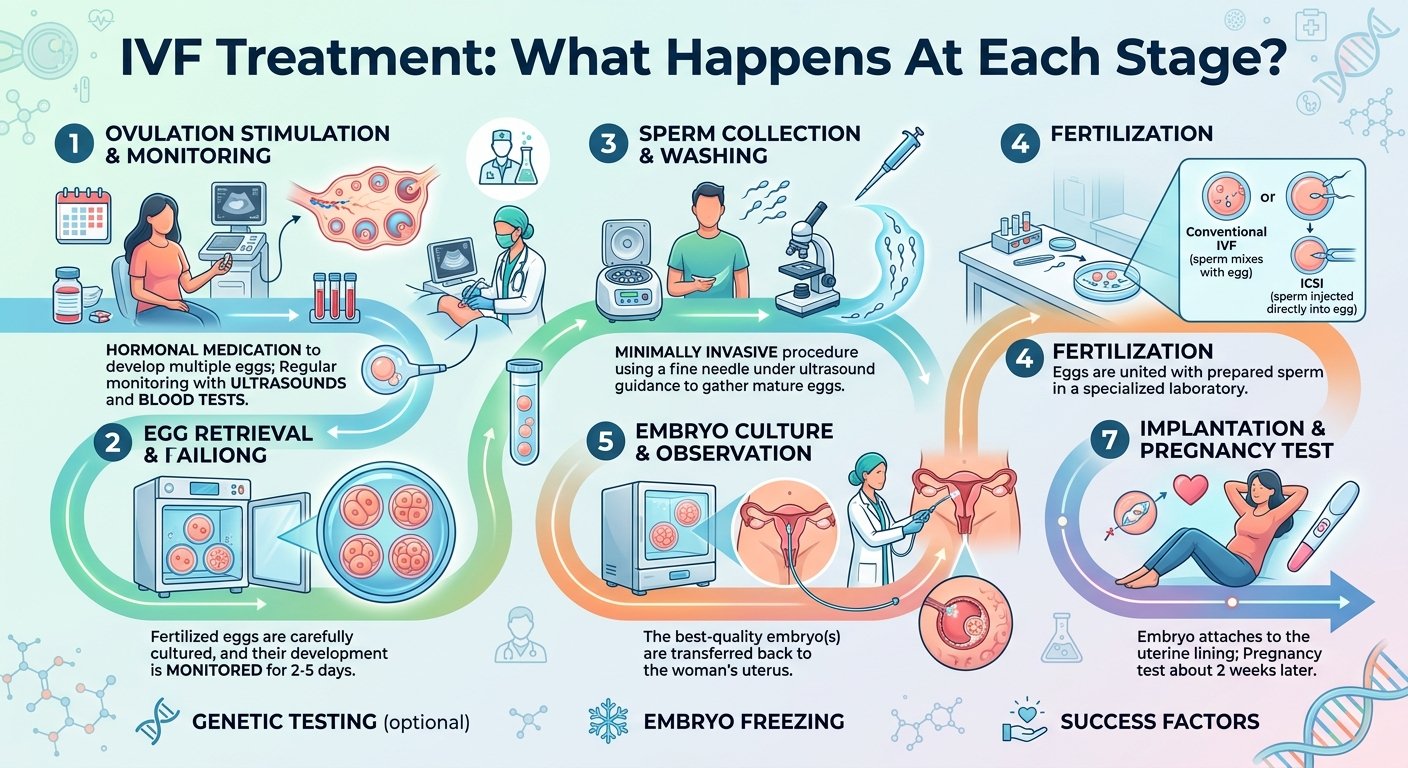
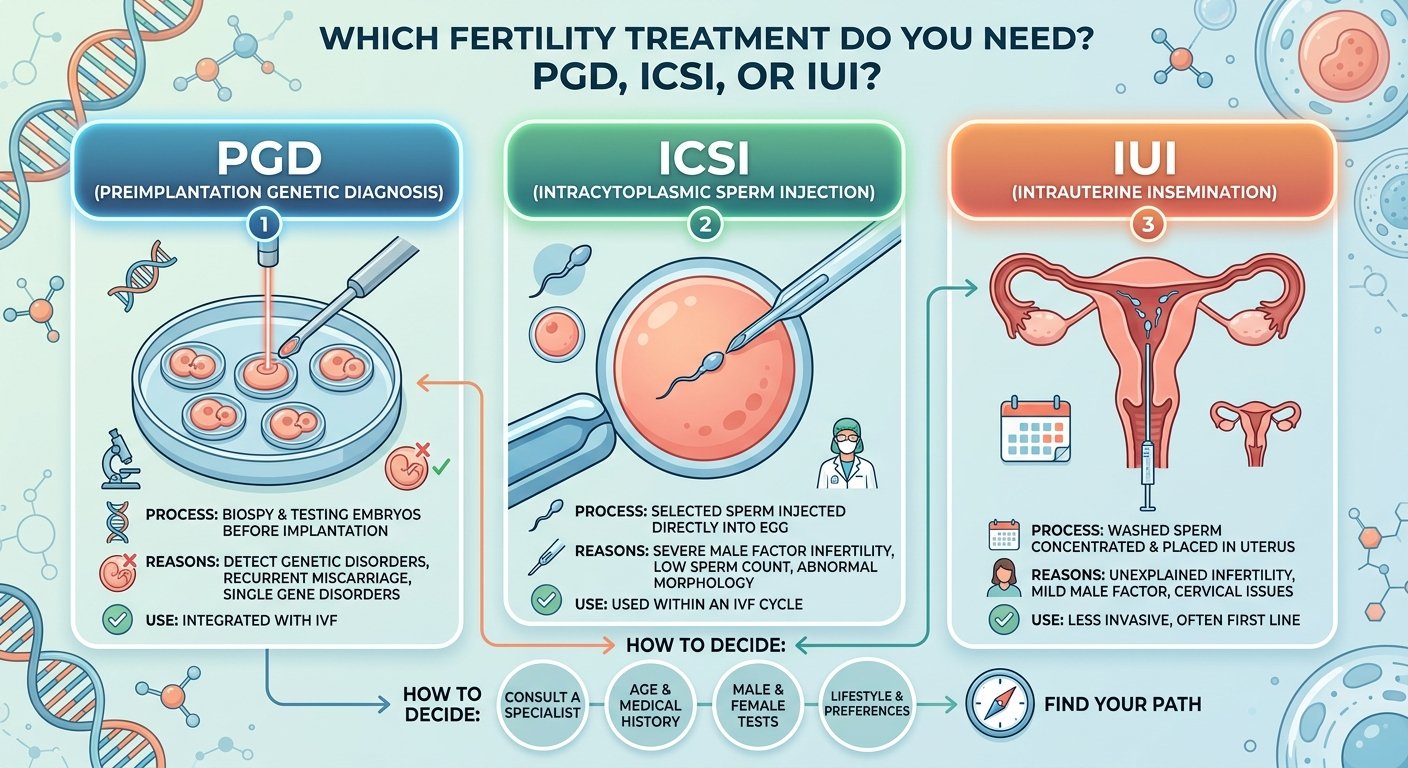
An infertile egg refers to an egg that has not been fertilised by sperm to achieve pregnancy despite intercourse at the right time— the right time means the time of ovulation. This condition needs deep evaluation to identify the cause of the infertile egg. The initial step to infertility treatment usually involves predicting the right time of ovulation through blood tests and ultrasounds. Female infertility treatment for a fertile egg involves medications for ovulation induction— this helps to release multiple eggs increasing the chances of a mature egg that can be used for fertilisation. If the cause of infertility is male factor, male infertility treatments are prescribed or procedures such as TESA,TESE and micro-TESE are performed to carry out Assisted reproductive Techniques– IVF and ICSI.
At Njinsky IVF & Fertility Clinic our doctor makes sure to give you an accurate diagnosis causing your egg to stay infertile and provide the most accurate and effective treatment.