Can infertile females menstruate? Has become the most common and puzzling question that many people ask. It is frequently believed that infertility means no menstruation, though this may not always be correct. The menstrual cycle and fertility are in fact interconnected yet are not identical.
Females can make sound decisions about receiving medical services if they properly educate themselves on how menstruation works, what they actually know about reproductive health, and what the abnormalities could indicate…
This blog explores if infertile women get periods or not, the root causes, symptoms to keep an eye on, and how to get treatment, especially from a trustworthy facility like NJINSKY IVF & Fertility Clinic or female infertility specialist in Lahore.
Women with Infertility get Periods
The brief answer to the very question of whether infertile females get periods or not is; Yes, the women who are considered infertile may continue to experience menstruation. Monthly periods usually serve as an indicator of ovulation, although they can not guarantee a healthy pregnancy.
However, certain infertile females can have delayed or missed periods, as these could point to difficulty in ovulation. Being unable to become pregnant is the main symptom of infertility, based on medical research, while some women may experience normal periods but still continue to have difficulties with pregnancy.
Therefore, menstruation alone is not a reliable indicator to assess fertility.
Identifying the Relationship between Fertility and Periods
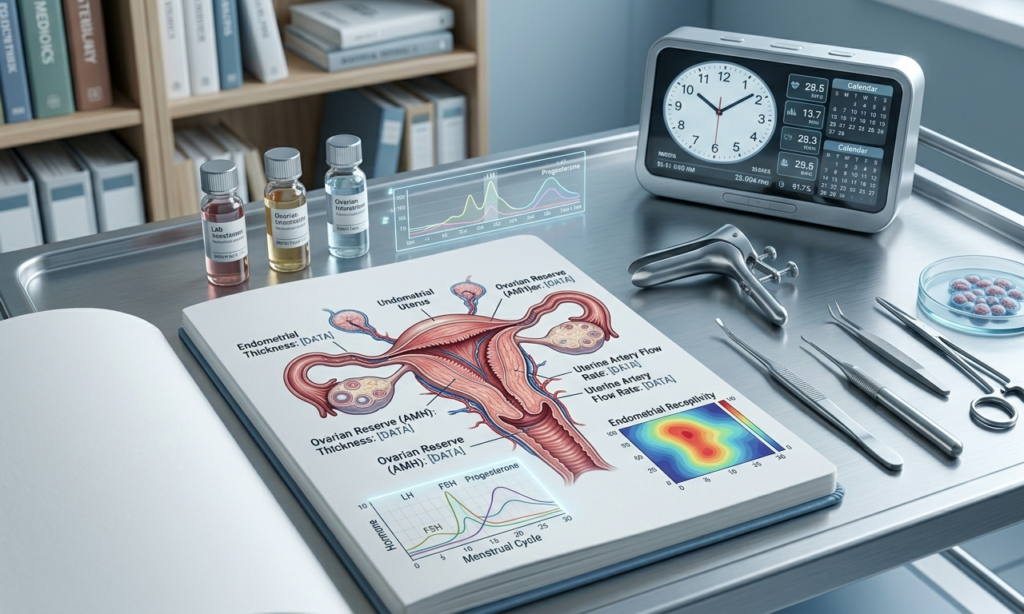
To learn about how the system of reproduction works is important in order to understand whether or not infertile women have periods.
Your usual menstrual cycle involves;
- Egg development triggered by hormones
- The release of an egg- Ovulation
- Preparation of uterus from conception
- In the absence of fertilizing the uterine lining shedding
Periods can get delayed or missed entirely if ovulation fails to happen. Yet, there are other issues like blocked or damaged fallopian tubes, abnormalities in the uterus could still complicate pregnancy even if ovulation happens regularly.
Infertility Exist Despite Normal Periods
Many women believe that experiencing normal periods monthly means all is well, but this may not be true.
Infertility may occur irrespective of regular menstruation because of;
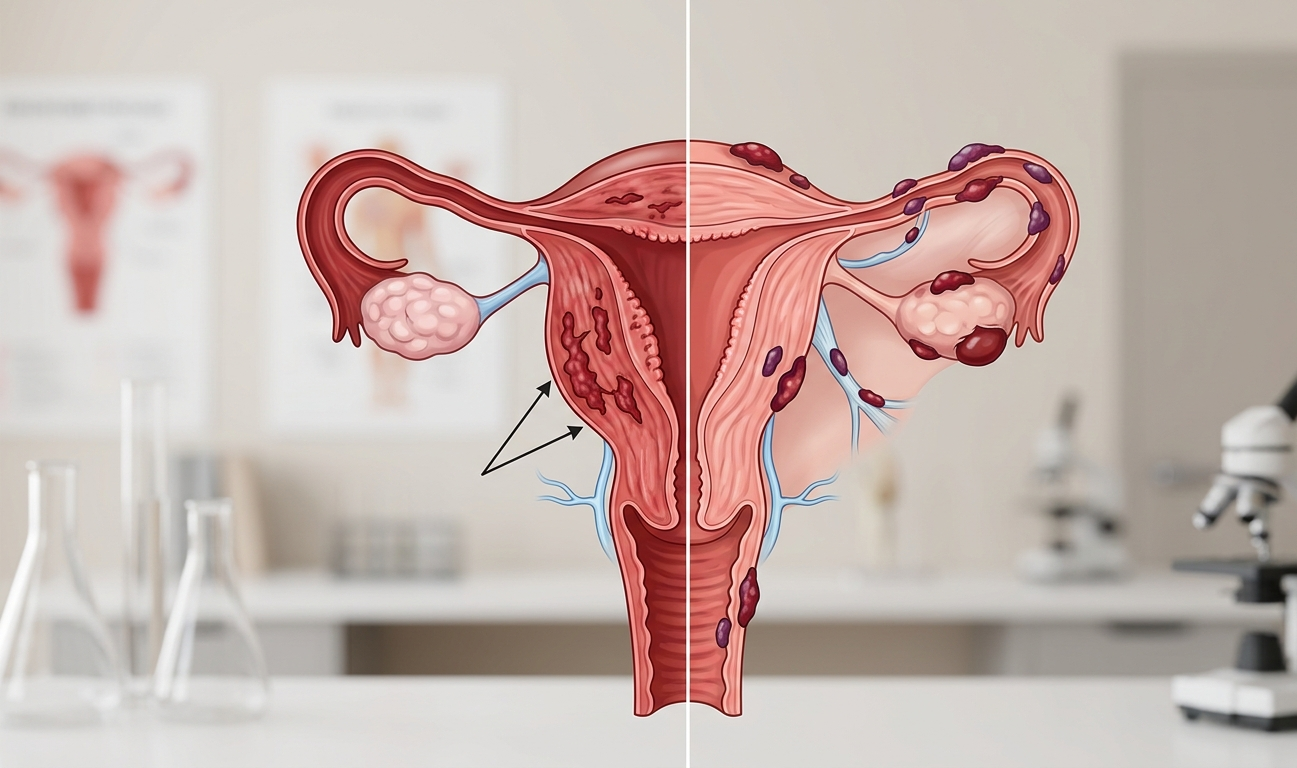
- Damaged or Blocked Fallopian Tubes
The process of fertilization is not possible when sperm can not travel to the egg.
The quality of the eggs and their implantation may be compromised by this disease.
- Complications with the uterus
The fertilized egg may not attach to the uterus due to tumors or fibroids.
Poor egg quality may lower the likelihood of pregnancy regardless of whether ovulation has happened or not.
When Periods are Missed or Completedly Absent?
Period irregularities can be linked to infertility.
Typical signs;
- Cycles which last longer than 35 days
- Cycles which last shorter than 21 days
- Periods skipped
- Severe ache or heavy bleeding
One of the primary triggers of infertility is ovulation disorders, which are frequently characterized by delayed or missed periods.
Common Causes of Infertility Associated to Menstruation Changes
- Ovulation Disorders such as PCOS cause irregular or missed menstruation.
- Imbalance in hormones such as FSH, LH, estrogen and progesterone can disrupt normal periods.
- Primary Ovarian Insufficiency which involves the hindrance in the normal functioning of the ovaries at the age of 40 causing absent or delayed periods.
- Thyroid Disorders
Symptoms of Potential Infertility
Having trouble in getting pregnant is the most common symptom, but there are some other signs too;
- Delayed or missed periods
- Severe abdominal pain during menstruation
- Hormonal Imbalance signs e.g., Excessive hair growth, acne
- Pain during intercourse
Medical evaluation is important because some females might not show any symptoms at all.
Female’s Infertility Specialist
It is necessary to consult a qualified fertility specialist in Lahore if you exhibit any symptoms or are facing issues with pregnancy. Trained specialists can identify the root cause of infertility, can propose suitable testing procedures and suggest a personalized treatment plan. Dr. Madeeha Asad from NJINKSY IVF & Fertility Clinic is one such specialist. She is well-known for her expertise in addressing complex fertility issues while offering scientifically proven treatment procedures.
Treatment Fertility Facility in Lahore
Your therapy plan could be severely influenced by your preference on fertility facilities in Lahore.
A fertility facility with high standard should ideally provide;
- Specialized Diagnostic Equipments
- Advanced Laboratory Space
- Trained and Experienced Doctors
- Customized Patient Care
Facilities such as NJINSKY IVF & Fertility Clinic have become known for blending conventional treatment procedures with innovative reproductive technologies to optimize the likelihood of possible positive outcomes.
Available Treatment Options for Infertility
Several treatment options are readily available depending upon the root causes of the disease;
- Medications
- Surgical Treatments
- Assisted Reproductive Technologies such as IVF or ICSI
Fertility Associated Lifestyle Factors
Fertility and Menstruation Cycles can be affected by certain lifestyle habits;
- Smoking damages the reproductive organs
- Hormones are affected by gaining weight
- Stress can have direct impact on ovulation
- Consuming booze impaired fertility
Reproduction results can potentially be improved by maintaining a healthy lifestyle.
Final Thoughts
So, can infertility affect the menstruation cycle? No, a lot of women still experience periods while being clinically diagnosed with infertility. Having periods does not necessarily mean that a certain female is fertile. It is critical to know the difference between ovulation and menstruation.
The most effective course of action would be to reach out to a certified female infertility specialist if you are experiencing difficulty in becoming pregnant, periods are irregular and other such symptoms.
Many women managed to overcome infertility problems with the assistance of specialists like Dr. Madeeha Asad and from centers like NJINSKY IVF & Fertility Clinic. Infertility is a difficult journey, but with right information and aid, one can hope and find ways to cope.