



Male Infertility Treatment in Lahore

What is Male Infertility?
What Causes Male Infertility? Common Causes of Male Infertility
Male infertility can have one or several underlying causes. Identifying the cause helps fertility specialists determine whether medical treatment, surgery, sperm retrieval, or assisted reproductive treatment may be appropriate.
There is often a misconception that male infertility is untreatable. However, Many causes of male infertility can be treated or managed, while some cases may require assisted reproductive techniques such as IVF or ICSI.
During intercourse, a male’s body produces “sperm”; a healthy sperm is required to achieve conception in a female’s body.
-
Low Sperm Count (Oligospermia)
Low sperm count, also called oligospermia, means that the concentration of sperm in the semen is lower than the reference range used by the laboratory. A lower sperm concentration can reduce the probability of sperm reaching and fertilizing an egg. However, pregnancy may still occur depending on the overall semen parameters and the fertility of both partners. Possible causes include hormonal problems, varicocele, certain infections, genetic conditions, testicular disorders, medications, heat exposure, and lifestyle or environmental factors. Assess the significance of a low sperm count alongside total sperm number, motility, morphology, and the couple's overall fertility situation.
-
Poor Sperm Motility (Asthenozoospermia)
Sperm motility describes how effectively sperm move. Progressive motility matters because sperm must travel through the female reproductive tract to reach the egg. Poor sperm movement, sometimes referred to as asthenozoospermia, may reduce the likelihood of natural conception. Possible contributing factors include infections, varicocele, hormonal disorders, oxidative stress, genetic conditions, certain medications, smoking, excessive alcohol use, and other health or environmental factors. Treatment depends on the underlying cause and may include medical management, lifestyle changes, or assisted reproductive treatment when appropriate.
-
Abnormal Sperm Morphology (Teratozoospermia)
Sperm morphology refers to the size and shape of sperm cells. A semen analysis may show that some sperm have abnormal morphology. Morphology should not be interpreted on its own because fertility assessment normally considers several semen parameters together. Depending on the severity and the overall clinical picture, a fertility specialist may recommend further evaluation or assisted reproductive techniques such as IUI, IVF, or ICSI.
-
Azoospermia
Azoospermia means that sperm are not detected in the ejaculate. It can broadly be classified into: * Obstructive azoospermia, where sperm production may occur, but an obstruction prevents sperm from reaching the semen. * Non-obstructive azoospermia, where sperm production within the testicles is significantly reduced or absent. Identifying the type and underlying cause is important because treatment options can differ considerably. Depending on the diagnosis, evaluation may include hormone testing, genetic testing, ultrasound, and other investigations. In selected cases, sperm retrieval procedures may provide sperm for use with ICSI.
-
Hormonal Imbalances
Hormones play an important role in sperm production. Problems involving testosterone, follicle-stimulating hormone (FSH), luteinizing hormone (LH), prolactin, thyroid function, or other hormonal pathways can affect reproductive function. Importantly, testosterone treatment itself can suppress sperm production in some men. Men concerned about fertility should therefore discuss testosterone or other hormone-related medications with a qualified fertility specialist before starting or changing treatment. Hormonal therapy may be appropriate for selected patients when a specific hormonal cause has been identified.
-
Varicocele
A varicocele is an enlargement of veins around the testicle. It is relatively common and can be associated with impaired sperm production or reduced semen quality in some men. Not every varicocele causes infertility, so treatment is generally considered based on the clinical findings, semen parameters, symptoms, testicular function, and the couple's fertility situation. A fertility specialist can determine whether further evaluation or treatment is appropriate.
-
Genetic Factors
Some cases of male infertility are associated with genetic conditions that affect sperm production or reproductive anatomy. Genetic evaluation may be considered in men with very low sperm counts, azoospermia, certain physical findings, or a history suggesting a hereditary reproductive condition. Depending on the situation, testing may include chromosome analysis or specific genetic tests recommended by the fertility specialist. Genetic findings can also be important when planning assisted reproductive treatment because some conditions may have implications for offspring.
-
Blockage of the Reproductive Tract
A reproductive tract blockage can prevent sperm from entering the semen even when the testicles are producing sperm. Possible causes include previous infections, surgery, congenital conditions, or other structural problems. When an obstruction is suspected, the fertility team may use medical history, physical examination, semen analysis, hormone testing, imaging, or other investigations to identify the likely cause. In selected cases, surgical treatment or sperm retrieval may be considered.
-
Lifestyle and Environmental Factors
Sperm production can be affected by certain lifestyle and environmental factors. Potential contributors include: * Smoking and tobacco exposure * Excessive alcohol consumption * Certain recreational drugs * Obesity or significant weight changes * Poor sleep * Prolonged heat exposure * Certain medications * Exposure to some chemicals or environmental toxins * Severe or prolonged illness * High levels of physical or psychological stress Lifestyle changes cannot correct every cause of infertility, but improving overall health may support reproductive health and can be an important part of a comprehensive fertility plan.
Symptoms and Signs of Male Infertility
Possible signs or associated symptoms include:
-
Difficulty Conceiving
The most common symptom is the inability to achieve pregnancy despite regular, unprotected intercourse for a year or more.
-
Low Sex Drive
Reduced libido may suggest a hormonal imbalance that can affect fertility.
-
Erectile Dysfunction
Trouble maintaining or achieving an erection can be linked to hormonal or circulatory problems.
-
Pain, Swelling, or Lumps in the Testicular Area
These symptoms may indicate conditions like varicocele or infection, both of which can impact fertility.
-
Decreased Facial or Body Hair
A sign of possible chromosomal or hormonal abnormalities.
-
Small or Firm Testicles
Changes in testicular size or consistency could reflect problems with sperm production.
-
Abnormal Semen Analysis
Low sperm count, poor motility, or abnormal morphology often reveal the issue during fertility testing.
The absence of symptoms does not rule out male-factor infertility. If conception is taking longer than expected, an appropriate fertility evaluation can help identify whether male reproductive factors are involved.
How Is Male Infertility Diagnosed?
Male infertility treatment in Lahore with NJINSKY IVF & FERTILITY CLINIC offers a wide range of male infertility tests to ensure an accurate diagnosis to provide the most advanced medical treatment for male infertility. Common diagnostic tests with high accuracy are as follows:
- Medical and Reproductive History - Your specialist may ask about previous pregnancies, fertility problems, Duration of attempts to conceive, Previous semen-analysis results, Childhood illnesses or infections, Testicular injuries, Previous surgeries, Medications and supplements, Testosterone or anabolic steroid use, Sexual and reproductive health, Erectile or ejaculation problems, Lifestyle habits, Occupational or environmental exposures, Family history of fertility problems. This information can help identify potential causes and determine which tests are necessary.
- Physical Examination - A physical examination may help identify conditions affecting male reproductive health. Depending on the circumstances, the examination may assess the testicles, epididymis, vas deferens, scrotum, and other relevant physical findings. The specialist may also look for signs of hormonal abnormalities or conditions such as varicocele.
- Semen Analysis - This is a first line test for male infertility. Semen analysis gives information regarding, Semen volume, Sperm concentration, Total sperm number, Sperm motility, Sperm morphology, Other semen characteristics. Because semen parameters can fluctuate, an abnormal result may sometimes need to be repeated before a diagnosis is established. Interpret a semen analysis in the context of the patient's medical history and other fertility findings, not as an isolated number. Njinsky’s embryology lab offers state-of-the-art services to provide the most precise and accurate semen analysis in Pakistan.
- Hormonal Testing - Blood tests may be recommended when hormonal dysfunction is suspected or when semen results show significantly reduced sperm production. Depending on the clinical situation, testing may include testosterone, FSH, LH, prolactin, and other relevant hormones. The purpose is to determine whether a hormonal disorder may be contributing to impaired sperm production or reproductive function.
- Genetic Testing - Genetic testing may be recommended for selected men, particularly those with very low sperm production or azoospermia. The appropriate tests depend on the clinical findings and may help identify genetic factors associated with impaired sperm production. Genetic counseling may also be appropriate when a hereditary condition is suspected.
- Ultrasound - Scrotal ultrasound can provide information about the testicles and surrounding structures. It may help evaluate findings such as: Varicocele, Testicular abnormalities, Certain structural changes, Conditions affecting the reproductive tract. Ultrasound is not required for every patient and is generally recommended when there is a clinical reason to perform imaging.
- Sperm DNA Fragmentation Testing - In selected cases, a specialist may recommend testing that evaluates sperm DNA integrity. Sperm DNA fragmentation refers to damage within the genetic material carried by sperm. It may be considered when there are specific clinical circumstances, such as unexplained fertility problems or certain previous reproductive outcomes. This type of test is not necessarily required for every man experiencing infertility. The decision should be based on the individual clinical situation.
Male Infertility Treatment Options
NJINSKY IVF & FERTILITY CLINIC offers access to the leading male infertility specialist in Lahore. Our highly qualified team consisting of infertility doctors, Internationally certified scientist, embryologists and staff work together to provide the most suitable male infertility treatment in Lahore. IVF success rate for male infertility at Njinsky has made us one of the leading IVF clinics in Pakistan.
Treatment options vary for different conditions. Some common treatments available are:
- Hormonal therapy - such as Injectables (eg- FSH injections) or oral medications.
- IUI (Intra-uterine insemination)
- ICSI (Intracytoplasmic sperm injection)
- IVF (In Vitro Fertilization)
- TESE (Testicular Sperm Extraction)
- Micro TESE (Microdissection Testicular Sperm Extraction)
- TESA (Testicular Sperm Aspiration)
- PESA (Percutaneous Epididymal Sperm Aspiration)
Feel free to book an appointment to get more details on treatment options available, according to your specific case.
Why Choose NJINSKY IVF & FERTILITY CLINIC?

Extensive Diagnosis
Understanding what male infertility is starts with accurate assessments. We tackle hormonal imbalances, genetic/chromosomal factors, and sperm motility issues with detailed testing.
Specialized Expertise
Our leading male infertility specialists in Lahore have more than 18+ years of experience helping couples overcome infertility with care and standardized procedures.
Advanced Treatment Options
From IVF with ICSI for male infertility to sperm retrieval techniques and sperm freezing, we offer personalized treatment plans for every individual.
High Success Rates
In cases of male infertility, ICSI can boost IVF success rates to up to 50%, depending on sperm quality—consistent with CDC and ESHRE benchmarks.
Ethical & Transparent Approach
We do not believe in hidden charges and offer honest, high-quality care and cost-effective treatment plans.
Cutting-Edge Facilities
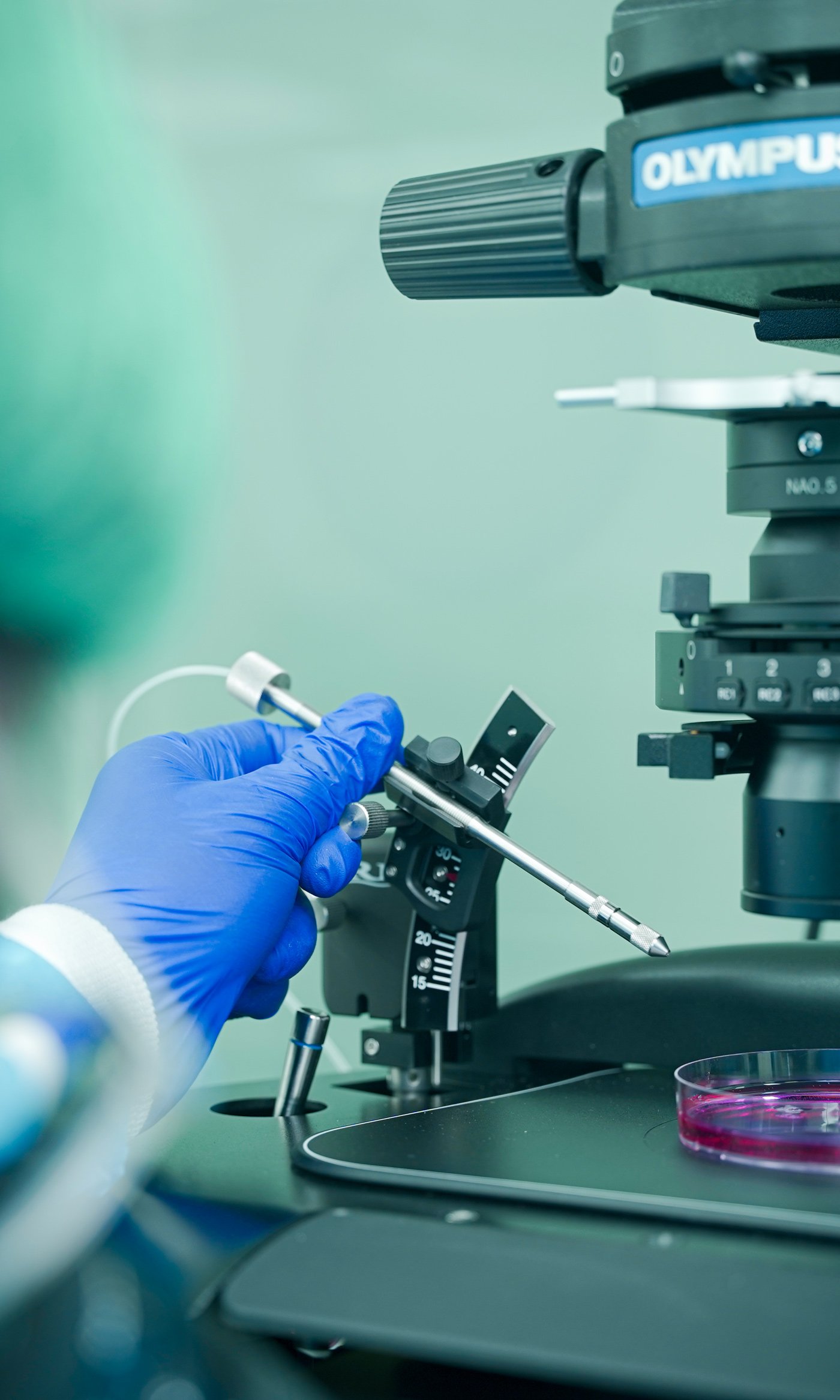
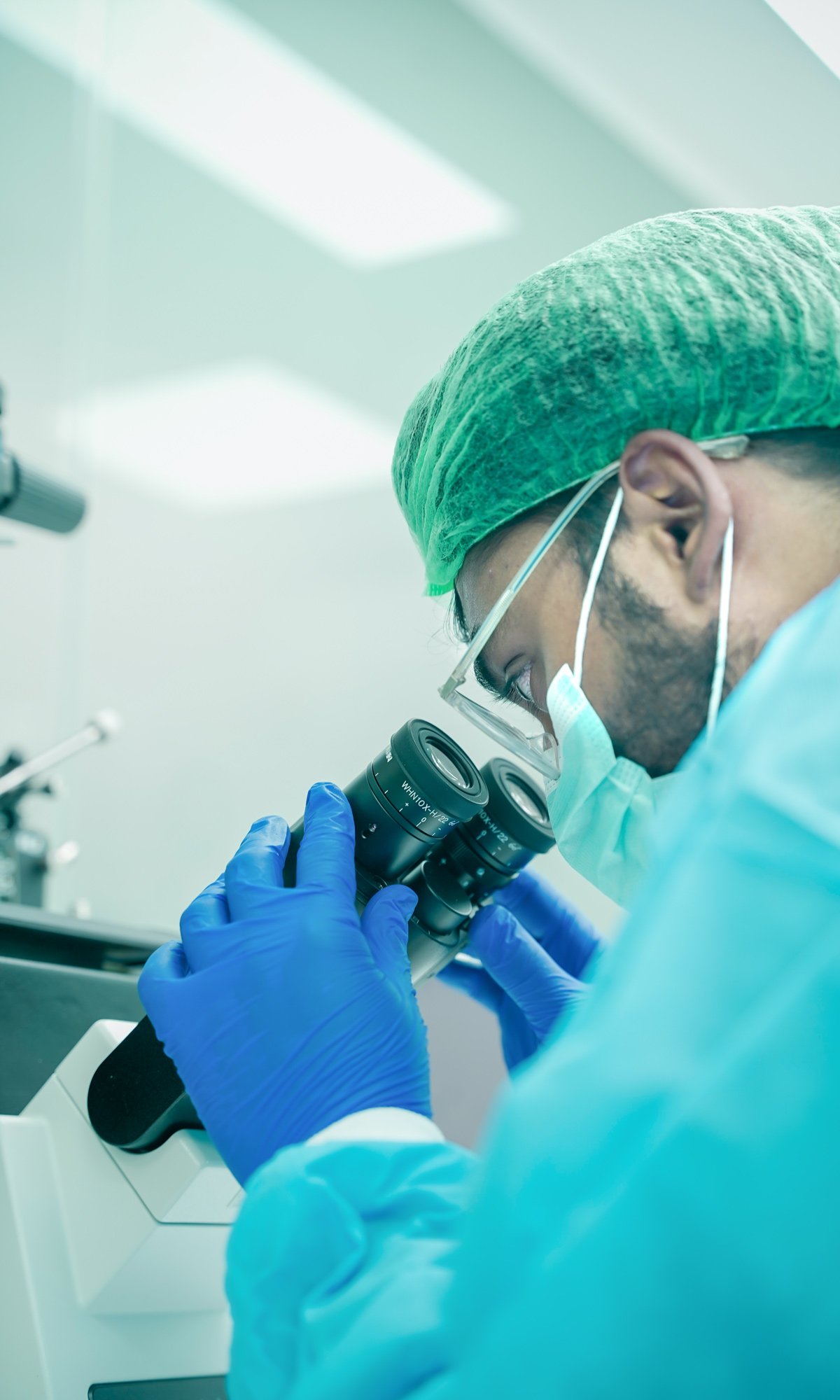
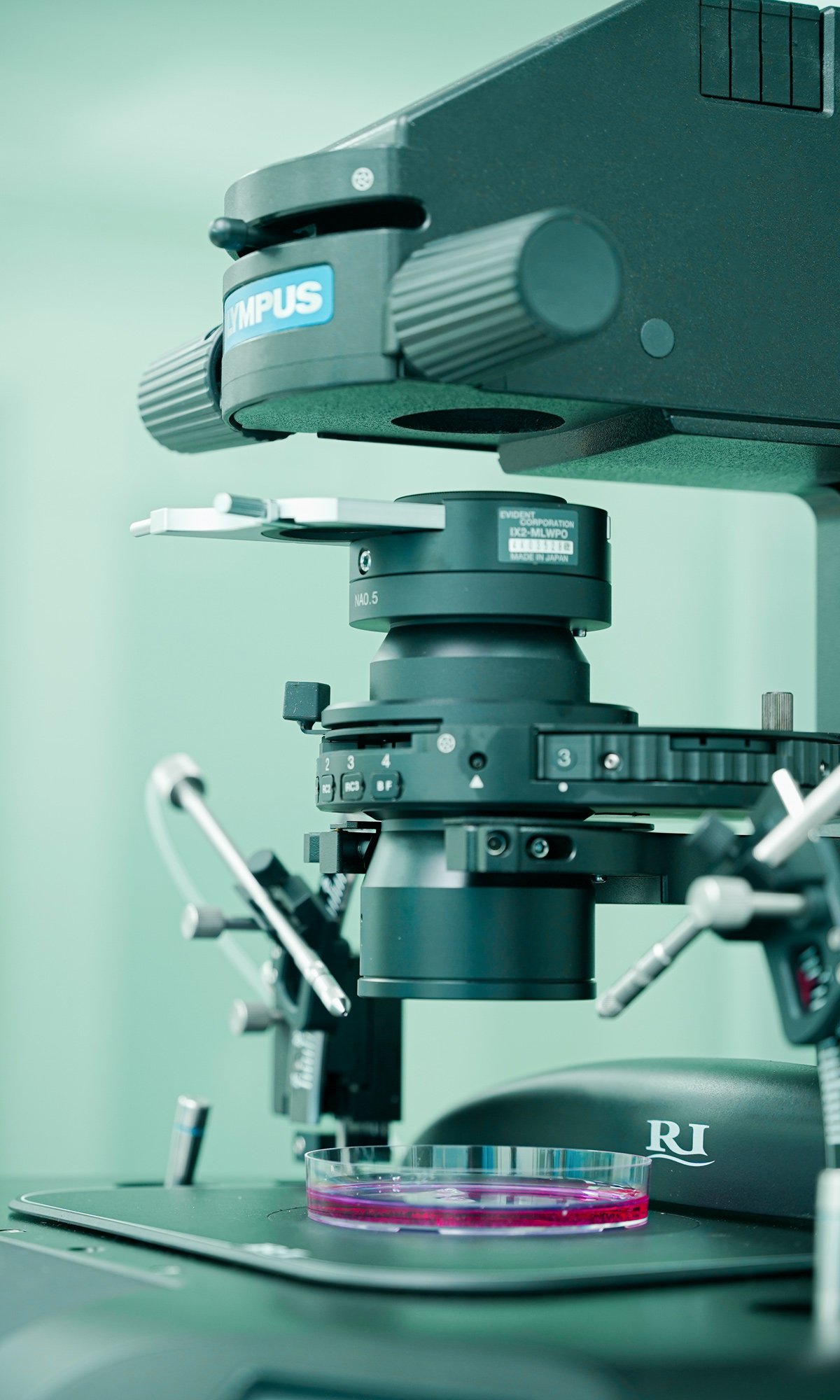
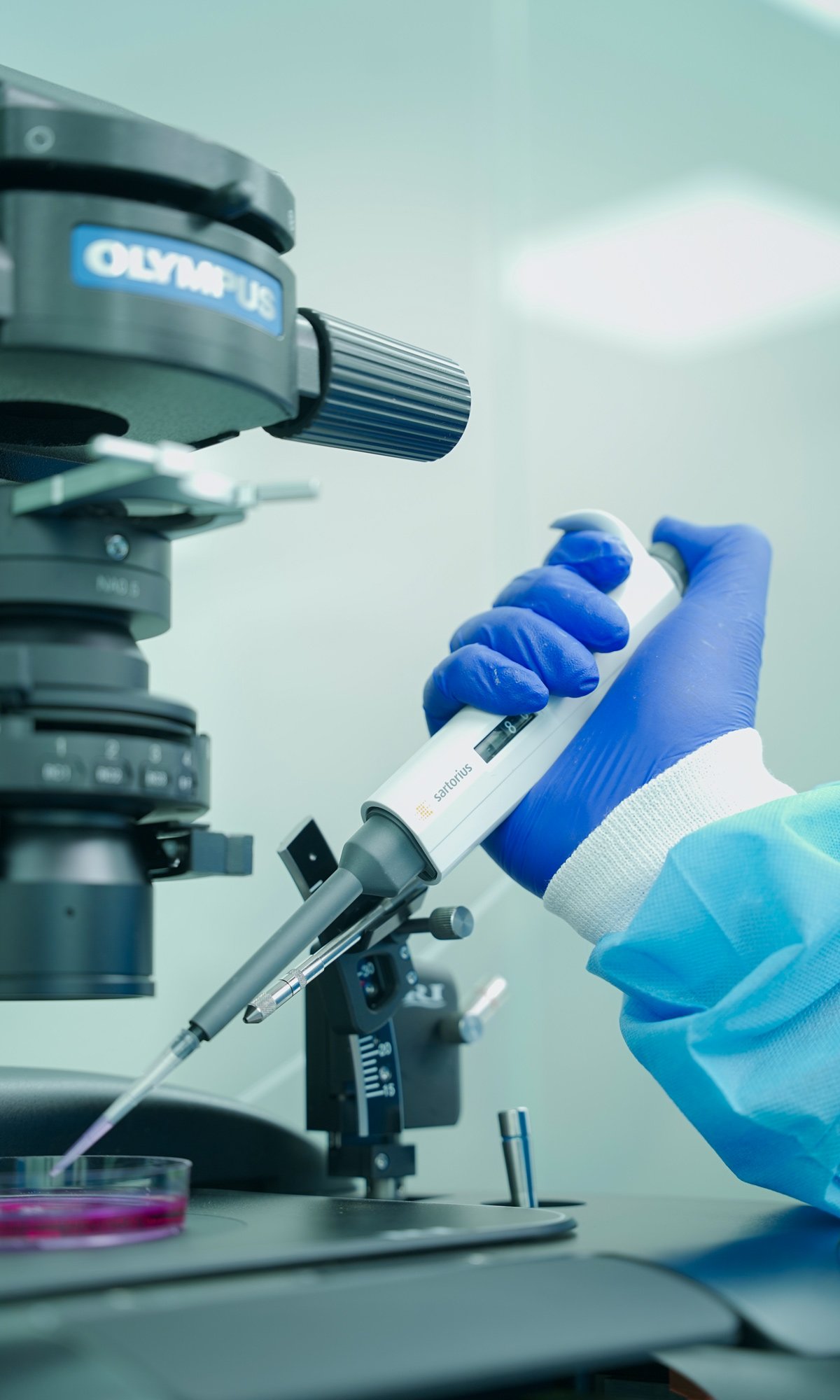
Our IVF center is equipped with the latest technology and an ISO-certified biosafety level 2 embryology lab built on WHO guidelines, offering the best ICSI treatment in Pakistan.






Why Choose NJINSKY IVF & FERTILITY CLINIC?
Male infertility is a challenge many couples face but rarely talk about. At Njinsky, we approach it with precision and care. We ensure that every treatment is backed by global medical standards.
Specialized Expertise
Our leading male infertility specialists in Lahore have more than 30 years of experience helping couples overcome infertility with care and standardized procedures.
Extensive Diagnosis
Understanding what male infertility is starts with accurate assessments. We tackle hormonal imbalances, genetic/chromosomal factors, and sperm motility issues with detailed testing.
Advanced Treatment Options
From IVF with ICSI for male infertility to sperm retrieval techniques and sperm freezing, we offer personalized treatment plans for every individual.
Ethical & Transparent Approach
We do not believe in hidden charges and offer honest, high-quality care and cost-effective treatment plans.
High Success Rates
In cases of male infertility, ICSI can boost IVF success rates to up to 50%, depending on sperm quality—consistent with CDC and ESHRE benchmarks.
Cutting-Edge Facilities
Our IVF center is equipped with the latest technology and an ISO-certified biosafety level 2 embryology lab built on WHO guidelines, offering the best ICSI treatment in Pakistan.

Years of Excellence
NJINSKY IVF & FERTILITY CLINIC offers the best male infertility specialists in Lahore so that you are confident that you′ll receive top-quality care. Our premium embryology lab and 18+ years of experience ensure you receive the best treatment!
Frequently Asked Questions
Male infertility is a medical condition that makes it difficult for a woman to get pregnant after 12 months of regular, unprotected intercourse. Problems with sperm count, motility, morphology, sperm production, hormones, reproductive tract obstruction, or other factors may cause it. Male infertility can be diagnosed by history and examination, semen analysis, hormonal testing, ultrasounds, and genetic testing.
Treatments for male infertility vary from patient to patient and a wide range of treatment options are available at Njinsky IVF & Fertility Clinic. Most common treatments include Hormonal therapy, IUI( Intra-uterine insemination),ICSI(Intracytoplasmic sperm injection), IVF(In Vitro Fertilization),TESE (Testicular Sperm Extraction),Micro TESE (Microdissection Testicular Sperm Extraction),TESA (Testicular Sperm Aspiration) and PESA (Percutaneous Epididymal Sperm Aspiration)
Semen analysis is commonly one of the first investigations used to assess male fertility. Depending on the results and medical history, additional testing may be recommended.
Some causes of male infertility can be treated or corrected, while other conditions may require assisted reproductive techniques. The appropriate approach depends on the underlying cause.
Azoospermia means that no sperm are detected in the semen. It can result from a blockage or impaired sperm production. Treatment depends on the underlying cause.
Male infertility is treated by specialized doctors such as andrologists or urologists. At Njinsky IVF & Fertility Clinic, we have specialized doctors who provide comprehensive diagnosis and customized treatment plans for each patient tailored according to their condition and affordability.
Visit our male infertility specialist in Lahore, if you are having difficulty conceiving, low sex drive, reduced libido, Erectile Dysfunction, pain, swelling, or lumps in the testicular Area, decreased facial or body hair,small or firm testicles and abnormal semen analysis.
The best solution is to get semen analysis from Njinsky’s embryology lab that offers state-of-the-art services to provide the most precise semen analysis in Pakistan. This would help to get an accurate diagnosis and the most effective treatment by Njinsky IVF & Fertility Clinic.
In cases of male infertility, ICSI can boost IVF success rates to up to 50%, depending on sperm quality—consistent with CDC and ESHRE benchmarks.
TESE, TESA, and PESA are sperm-retrieval techniques. TESE retrieves sperm from testicular tissue, TESA uses needle aspiration from the testis, while PESA retrieves sperm from the epididymis.
ICSI may be considered when sperm count, motility, or morphology is significantly impaired, when previous fertilization has failed, or when sperm have been retrieved surgically.
Yes. NJINSKY IVF & Fertility Clinic in Lahore provides diagnostic evaluation and a range of male infertility treatment options, including assisted reproductive techniques and sperm-retrieval procedures.
The cost depends on the diagnosis, investigations, and treatment required. A consultation is recommended so that the appropriate treatment plan and associated costs can be explained.
Yes, lifestyle changes improve male infertility especially if infertility is caused by stress, lack of sleep, smoking and hormonal imbalance.
Best doctors for male infertility are available at Njinsky IVF & Fertility Clinic, who are highly qualified and experienced andrologists. Our doctors empathize with their patient's struggles with infertility and are eager to provide the best possible treatment in the optimal time.