Many women worldwide live with endometriosis, a chronic gynecological condition that often causes severe pelvic pain, irregular periods, and difficulty conceiving. Surgery may be recommended when endometriosis affects fertility, or when symptoms persist despite medication or hormonal therapy. Understanding endometriosis surgery can help patients make informed decisions about their treatment plan and recovery.
This blog explains the surgical options available for endometriosis, including laparoscopic surgery and excision surgery, along with the expected recovery time, potential risks, costs, and how surgery can improve fertility.
What Is Endometriosis Surgery?
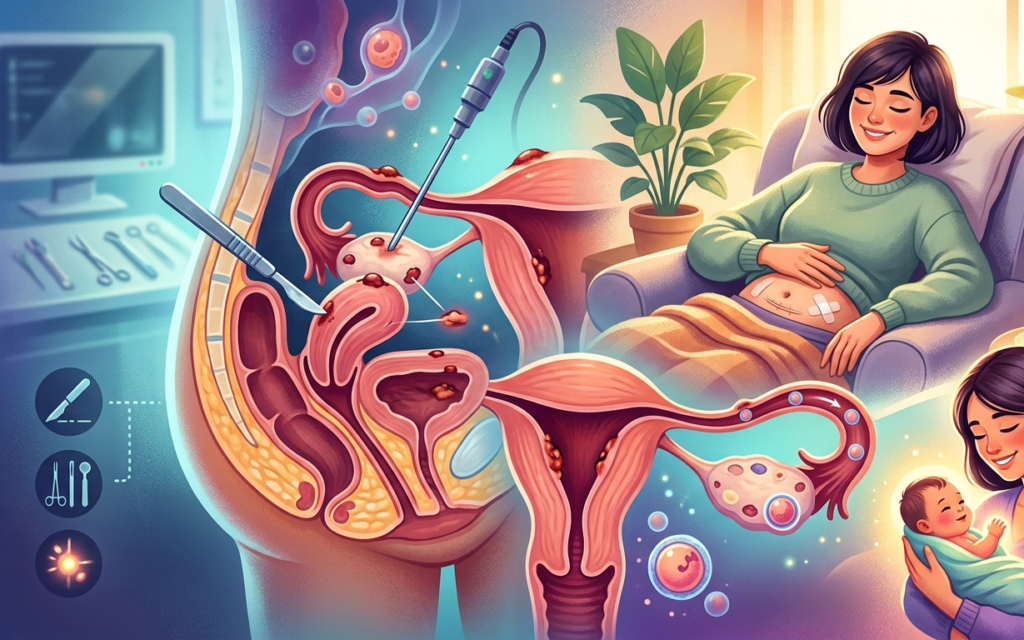
Endometriosis surgery removes endometrial-like tissue that has grown outside the uterus. The primary goals of surgery are to reduce pain, preserve reproductive organs when possible, and improve fertility in patients who wish to conceive. Surgery is usually considered when:
- Medication fails to relieve the pain
- Daily routines are disrupted by symptoms
- An ovarian cyst develops
- Fertility significantly declines
- Deep endometriosis affects surrounding organs
The severity of the condition, the exact location of the lesions, and the patient’s plans for future pregnancy all influence which type of surgery is recommended.
Endometriosis Surgery Types
A variety of surgical procedures are used to manage endometriosis, depending on the patient’s symptoms and the severity of the disease.
1. Laparoscopic Surgery for Endometriosis
Laparoscopic surgery is considered the gold-standard procedure for diagnosing and managing endometriosis. Surgeons insert a thin camera called a laparoscope through a few small incisions in the abdomen. This allows surgeons to clearly view the pelvic organs while removing endometrial abnormalities with specialized instruments. The advantages of laparoscopic surgery include:
- Minor incisions
- Less pain or discomfort after surgery
- Reduced blood loss
- Short hospital stay
- Quick recovery
- Less scarring
Because it is minimally invasive, many women are able to resume their normal activities much sooner than with traditional open surgery.
2. Excision Surgery for Endometriosis
Excision surgery is often considered one of the most effective surgical treatments for endometriosis. Unlike procedures that burn or remove only the visible lesions, excision surgery carefully cuts out the endometriosis tissue at its root. This allows surgeons to remove deeper or more advanced disease while preserving the greatest amount of healthy tissue. The potential advantages include:
- Better pain management
- Lower rates of recurrence
- More comprehensive removal of the disease
- Better fertility outcomes for particular patients
Because excision removes the disease rather than simply treating its surface, many specialists consider it the preferred approach.
3. Surgery for Endometriosis Cysts
Endometriomas, commonly referred to as “chocolate cysts,” are ovarian cysts that some women with endometriosis develop.
The procedure used to remove these cysts while preserving healthy ovarian tissue is known as ovarian cystectomy. For women preparing for assisted reproductive treatments such as IVF, this technique can help reduce discomfort and improve fertility. Several factors influence the decision to remove an ovarian cyst:
- Size of the cysts
- Signs and symptoms
- Age of the patient
- Fertility and pregnancy plans
- Medical history related to surgeries
Based on each patient’s medical history, the specialist will recommend the most appropriate treatment approach.
When Is Surgery Recommended?
Surgery isn’t recommended for every woman with endometriosis. Doctors may advise it if:
- Severe pelvic pain persists despite prescribed medication
- Large ovarian cysts are present
- Endometriosis affects the bladder, bowel, or other organs
- Endometriosis is linked to infertility
- Ultrasound imaging shows advanced disease
After weighing the potential benefits and risks, the final decision depends on the patient’s personal preference.
How Long Does Endometriosis Surgery Take?
Many patients wonder how long endometriosis surgery will take before starting treatment. The length of surgery depends on:
- The severity of endometriosis
- The amount of organs affected
- Whether it’s required to remove the cyst or not
- The sort of surgical technology utilized
More complex cases involving significant disease may take several hours, while a simple laparoscopic procedure can take as little as one hour. Your surgeon will give you an estimated time frame based on your medical condition.
The Recovery Time
Recovery time from endometriosis surgery depends on the procedure used and each individual’s healing capacity. Generally:
- Walking is encouraged the day after laparoscopic surgery
- Mild pain or discomfort gradually improves during the first week
- Many patients return to desk jobs within one to two weeks
- More extensive surgery may require a few additional weeks for full healing
A smoother recovery can be supported by following your surgeon’s guidelines, maintaining appropriate exercise levels, eating a balanced diet, and attending regular follow-up appointments.
Surgical Scars of Endometriosis
Scarring from endometriosis surgery tends to be minimal because most procedures are performed laparoscopically. A few small scars around the abdomen typically remain after surgery and gradually fade over time. Healing can be supported with proper wound care, such as:
- Maintaining the incision clean
- Reducing excessive strain
- Following your surgeon’s instructions
- Protecting healed skin from sun
Although scarring is minimal in most cases, successful treatment and symptom relief remain the primary goals of surgery.
Endometriosis Surgery Risks
As with any surgical procedure, the risks of endometriosis surgery must be thoroughly discussed with your surgeon before starting treatment.
Potential risks include:
- Infection at the surgical site
- Bleeding
- Damage to adjacent organs
- Adhesion formation
- Problems associated with anesthesia
- Endometriosis relapse
It is important to remember that most of these complications are rare, especially when experienced surgeons use advanced techniques. Patients and their medical professionals can make informed decisions when they are aware of these potential risks.
Can Fertility Be Improved by Endometriosis Surgery?
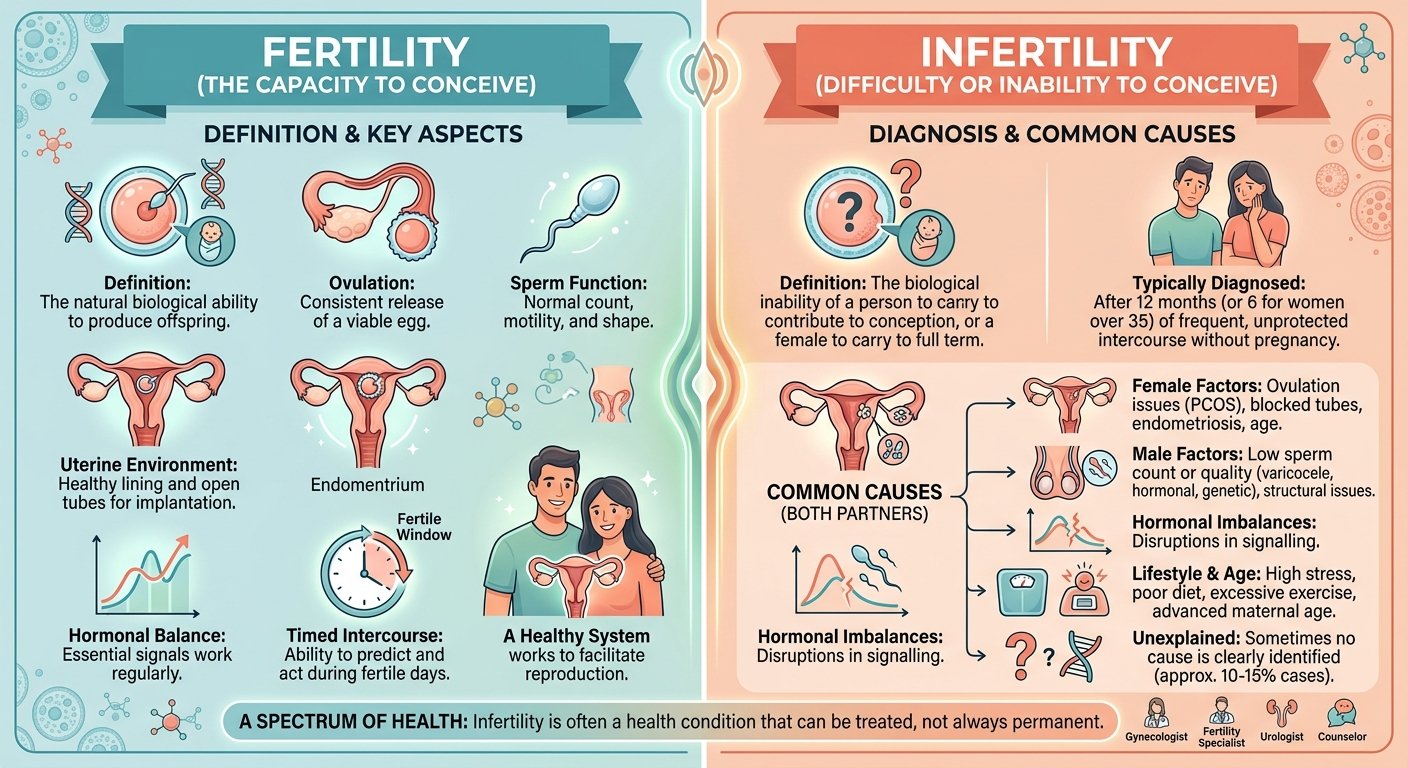
Many women undergo endometriosis surgery because of infertility. Removing endometriosis lesions may offer the following fertility benefits:
- Restoring normal pelvic anatomy
- Reducing inflammation
- Improving egg release
- Enhancing fallopian tube function
- Increasing the chance of natural conception in certain situations
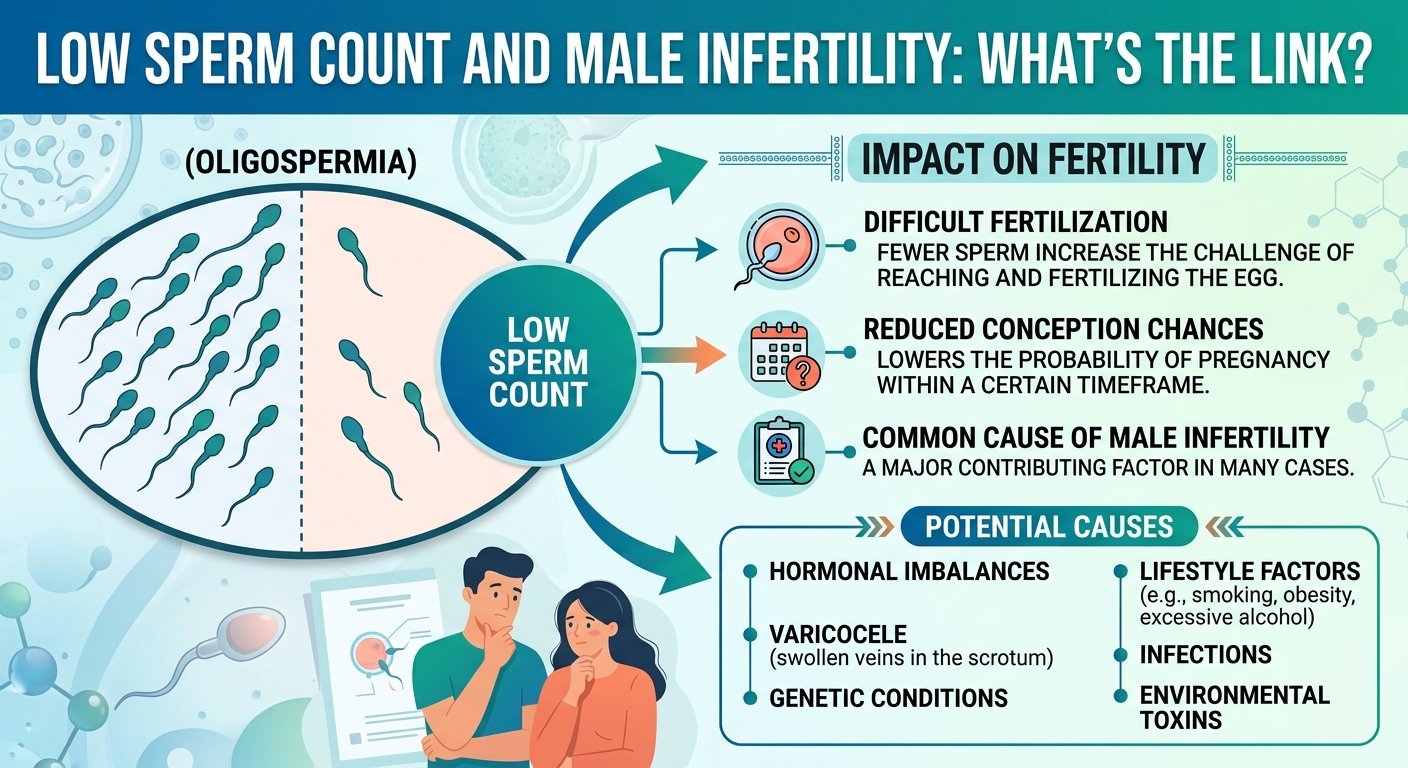
Still, other factors, including the patient’s age, ovarian reserve, disease severity, and the partner’s fertility, also influence overall outcomes.
After surgery, some women may still need assisted reproductive technologies, such as IVF or IUI, to conceive.
Endometriosis Care at Fertility Clinic
NJINSKY IVF & Fertility Clinic delivers complete reproductive assessment and personalized treatment regimens for females with endometriosis and fertility issues. To support patients in achieving their fertility goals, this clinic delivers advanced diagnostic tests, fertility evaluations, ultrasound imaging, ovulation induction, IUI, IVF, and ICSI.
Before starting the fertility treatments, women who require surgical assistance may also be able to seek qualified guidance on the most suitable approach. NJINSKY IVF & Fertility Clinic seeks to help women in managing endometriosis whilst preserving their reproductive potential whenever necessary, by integrating the services of experienced fertility specialists with personalized patient services.
Endometriosis Surgery Expenses
The cost of endometriosis surgery can vary substantially depending on several factors, including the clinic, the surgeon’s qualifications, the complexity of the condition, the required diagnostic procedures, and the type of surgery performed. In many cases, costs range from PKR 5 lacs to PKR 6 lacs, but the exact cost can only be determined after a detailed consultation and clinical evaluation.
The total cost may also be affected by additional expenses such as anesthesia, hospitalization, prescribed medications, and follow-up appointments. Patients should consider the surgical team’s experience and the standard of postoperative care, rather than basing their decision on cost alone. A trusted gynecologist or fertility specialist can help determine the best course of action and provide a precise cost estimate based on each patient’s unique medical needs.
Concluding Remarks
Although endometriosis can significantly affect a woman’s quality of life, effective treatment options are available. In carefully selected patients, endometriosis surgery, particularly laparoscopic and excision surgery, can improve daily functioning, support fertility, and provide long-term pain relief.
Understanding key factors such as recovery time, risks, scarring, and cost can help patients make informed decisions about their treatment. With professional medical guidance and consistent follow-up care, surgery can help many women restore comfort, confidence, and hope for future fertility.