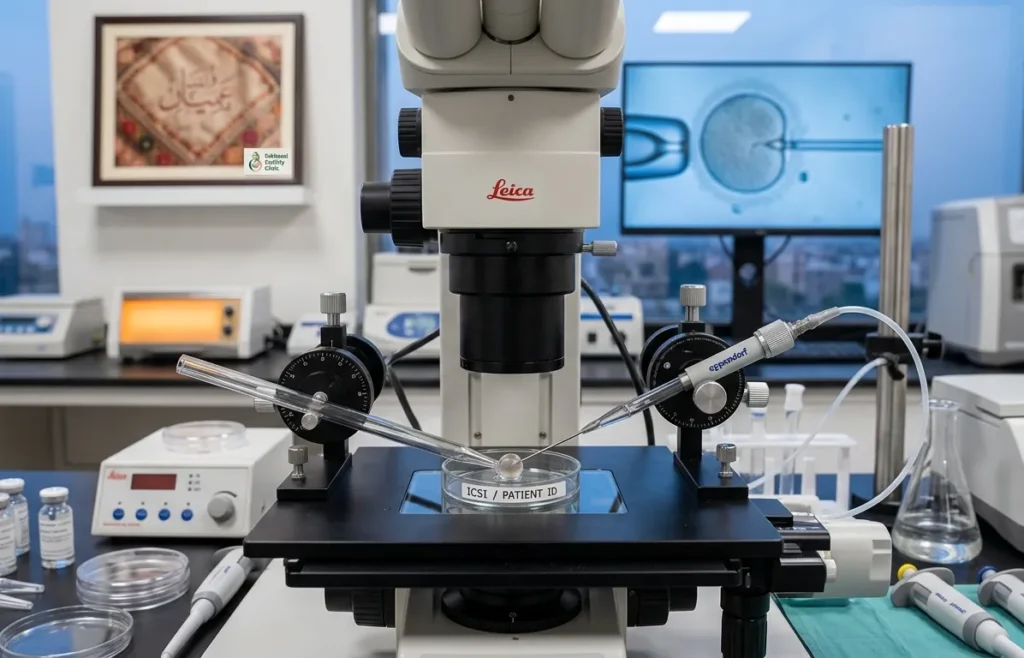
Infertility treatments are progressing rapidly; in particular ICSI (Intracytoplasmic Sperm Injection) remains one of the most effective choices. Even though plenty of couples contemplate this treatment method, one of the common questions is: What is the success rate of ICSI?
Making well-informed choices requires understanding of the ICSI effectiveness, especially in Pakistan, the success rate by age and its comparison with IVF. All of it is clarified in an easily understood, useful and medically precise way in this blog.
Effectiveness of ICSI
The likelihood of getting pregnant and ultimately giving birth after one treatment session/cycle is how the success rate of ICSI is measured. It is important to know that success is not just conception, it also includes the development of the embryos, implantation and a healthy pregnancy.
There are high chances of a successful fertilization to happen, often surpassing (70-80%). In younger females, pregnancy success rate is 30-50% per cycle. These percentages however, fluctuate because of many different kinds of factors.
ICSI Success Rate By Age
The key element affecting fertility results is age. It is apparent that ICSI success rates decline with age.
- Women less than the age of 35;
Between forty to fifty percent of the treatment sessions are successful.
The best outcomes are due to selection of high quality eggs.
- Women aged from 35 to 37 years old;
There is a slight decline in the success rate of about thirty to forty percent.
- Women aged from 38 to 40 years old;
Due to decrease in the egg quality and quantity, the success rate falls between twenty to thirty percent.
- Women aged from 41 to 42 years old;
There is an increased risk of miscarriage, the success rate is ten to fifteen percent.
- Women older than the age of 42;
Since the success rate is five percent or below.
These observed behavior highlights how early treatment and prompt diagnosis can significantly improve the rates of success.
ICSI Success Rate in Pakistan
When the treatment is conducted in a specialized ICSI clinic such as NJINSKY, the ICSI success rate is generally comparable with international standards.
On average;
- The probability of a successful conception is 30 to 40% per cycle.
- Better outcomes for younger patients
- Favorable outcomes in standardized reproductive facilities
The difference in results is because of;
- Reliability and quality standards of the laboratory
- Expertise of the specialists
- Medical condition of the patient
Improved results are often observed by facility centers with advanced technology, embryology labs and personalized treatment strategies.
Factors That Affect ICSI Success Rates
Knowing what elements influence the success rate of ICSI treatment, makes it easier to make a realistic treatment choice.
- The age of the female partner
This is one of the significant factors contributing to the success rate. Egg quality decreases with age.
- Sperm Quality
Very low sperm quality can have a direct impact on embryo development considering that ICSI minimizes several sperm related issues.
- Embryo Quality
Implantation and a successful pregnancy are much more probable to occur in healthy embryos.
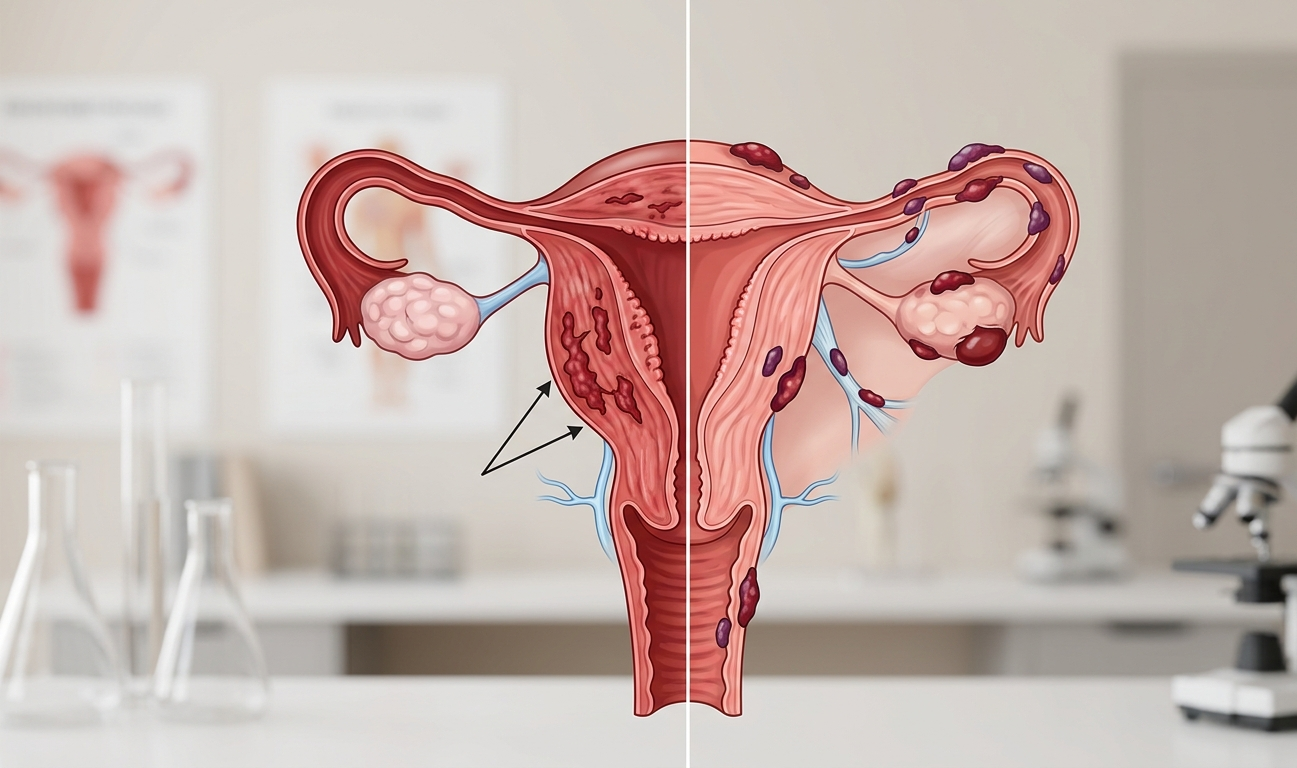
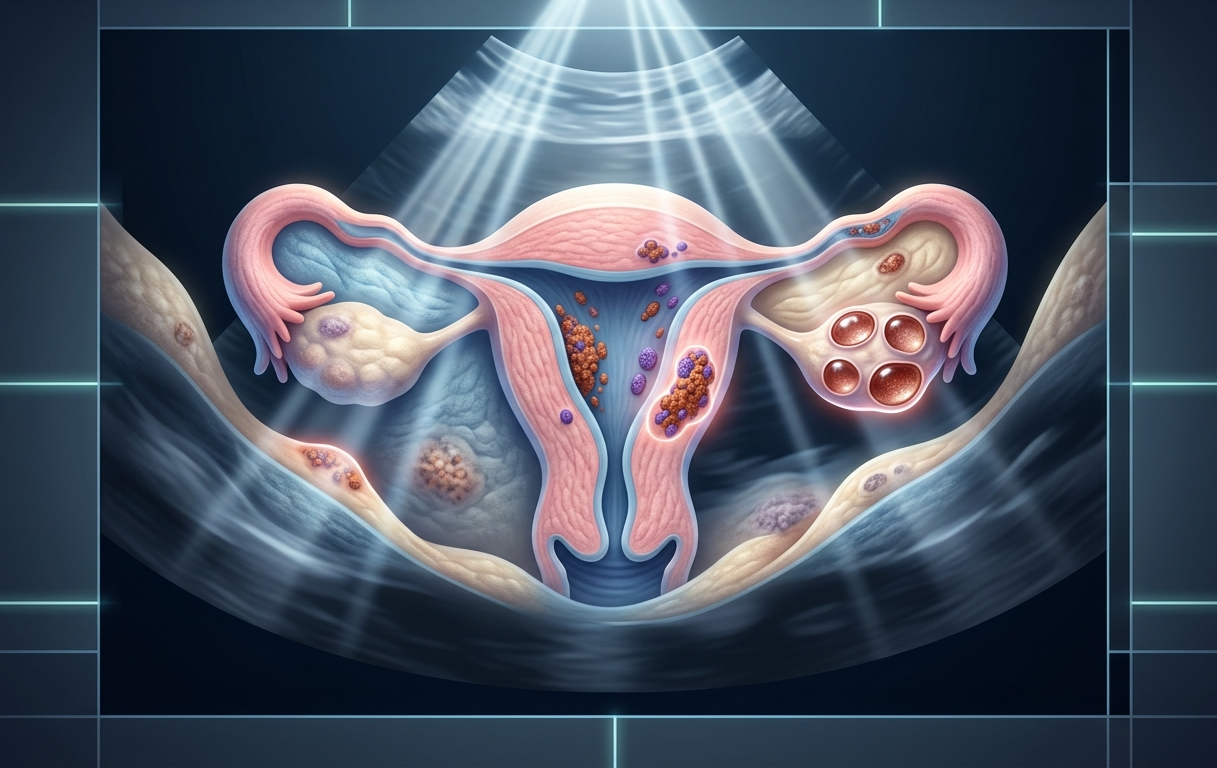
- Uterine Wellness
The successful implantation of the embryo demands a suitable uterine environment.
- Clinical Expertise
The success rate heavily depends on;
- Qualified Specialists
- Sophisticated Laboratory Conditions
- Precision while subjecting microinjections
ICSI vs IVF
A widely asked question: Is ICSI more successful than IVF?
The answer is not simple. ICSI greatly improves fertility in males with infertility issues. ICSI and IVF have similar fertility rates when male factor infertility is not present. Yet, ICSI can be more effective in complex situations given that it lowers the risk of fertilization failure.
ICSI Success Over Multiple Cycles
One particular failed cycle is not equivalent to failure.
- The rates of success are cumulative.
- The probability of successful conception rises within 2-3 cycles.
- After numerous attempts, many couples are able to conceive
This is why, instead of quitting the treatment, after just one try, specialists often advise to continue the treatment.
ICSI Success Stories
Real life experiences provide a sense of hope, even if statistics are essential.
After a number of unsuccessful attempts overseas, a couple who had already been battling with infertility for many years sought treatment at NJINSKY IVF & Fertility Clinic. After a thorough evaluation, a detailed ICSI treatment plan was put together with a particular focus on sperm selection, optimum hormone balance and quality of the embryo.
Fertilization happened successfully and transferring embryos were performed with careful monitoring and a unique plan of action. The end result was established within days by a positive pregnancy test. The couple’s child is thriving today.
Such types of ICSI success stories illustrate how advanced fertility treatment, accurate diagnosis and competent supervision may substantially enhance the fertility success rates.
Patients who attend specialized centers like NJINSKY IVF & Fertility Clinic often acquire the following;
- Precise Treatment Plan
- Innovative ICSI techniques
- Complete Fertility Care
Why Do Some ICSI Cycle Fail?
Failure is still probable despite high rates of success.
Common reasons are;
- Poor quality of eggs
- Genetic defects
- Implantation failure
- Disturbed levels of hormones
Recognizing these components helps in improving the success of the upcoming cycles.
Strategies For Increasing Success Rate of ICSI
You can increase your chances of success in various different ways;
- Early Diagnosis and Treatment
- Healthy Lifestyle
- Stress Management
- Selecting the right clinic
Realistic Expectations
Even though ICSI has proven to be very effective, there is no certainty that it will work every single time.
Success Rate depends on;
- Multiple biological factors
- Every couples journey is different
- It may take several attempts
Being informed makes it easier to set expectations.
Concluding Remarks
For the couples who are infertile, the success rate of ICSI offers hope. Modern fertility treatments have greatly improved the likelihood of pregnancy, though their success is contingent upon many different kinds of conditions, especially age and overall wellbeing.
To make a meaningful change and drive positive results by selecting the right clinic, evaluating the success rate of ICSI in Pakistan is important.
ICSI strives in helping countless couples in attaining their dream of becoming parents through proper counseling, top-notch medical treatment and persistence.