What exactly is the purpose of choosing a reproductive treatment? What matters the most, is trying to find that one treatment that is truly effective for you instead of just choosing the “most advanced” technique.
Terminologies like IVF, IUI, and ICSI can quickly become perplexing for women and couples struggling with infertility. It is not necessarily right to go immediately towards the most sophisticated solution considering these types of treatments are not completely interchangeable.
The age of the patient, reserves in the ovaries, ovulation duration, health of the fallopian tube, characteristics of the sperm, history of fertility treatment and the duration in which the couple is trying to conceive, all determine the most appropriate methodology of the treatment.
Luckily, there exist no universally applicable way to effectively treat infertility. While certain individuals may gain benefit from preceding straight towards IVF, others might begin with more discreet methods like IUI.
Whether there exists a certain reason to enhance the probability of fertilization, for instance in cases of male factor infertility, ICSI could possibly be incorporated into the IVF cycle of the patient.
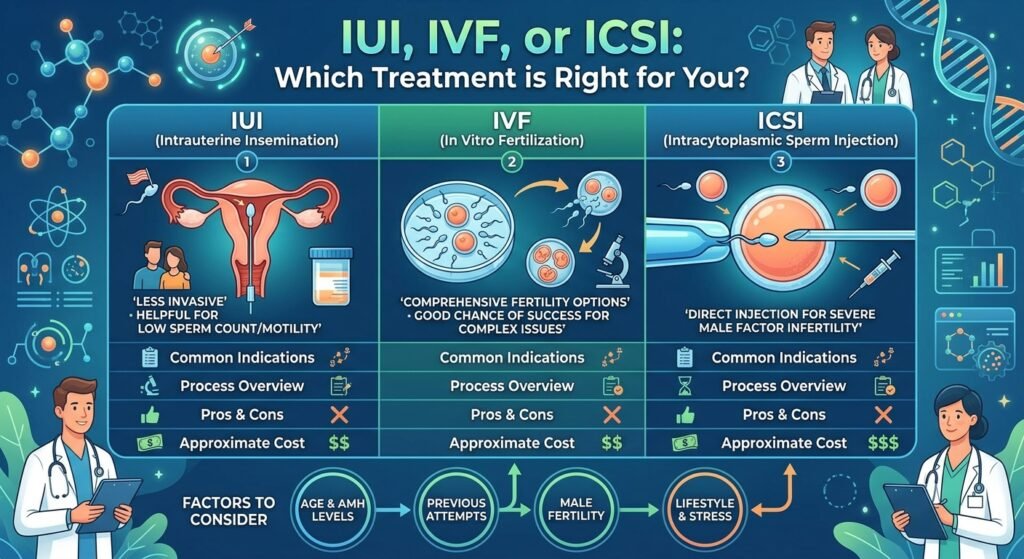
What Separates IUI, IVF, and ICSI?
IVF, IUI and ICSI all have the potential to establish successful pregnancy, even though they generally do so at different points in the reproductive process.
Intrauterine Insemination: At the time of ovulation, prepped sperm are inserted directly into the uterus. IUI may be recommended to some couples with little fertility issues and impotence that can not be addressed very briefly because it is less challenging and invasive than IVF.
In vitro Fertilization: In a laboratory setting, the eggs are collected from ovaries of the female reproductive system and fused with the sperm. After which, the developing embryo is placed back inside the uterus. Using IVF, specialists may be able to regulate different stages of fertilization and development of the embryo outside the body.
Intracytoplasmic Sperm Injection: Contrary to providing a completely unique fertility pathway, ICSI actually comprises the process of fertilization technique implemented in conjunction with IVF. Using the novel treatment techniques, a fully developed egg is directly injected with a single sperm. In specific cases, including male factor infertility or previous failed fertilization processes, this method is particularly useful. Unless an indication, conventional ICSI is not advised for all of the IVF patients.
In simple words, IUI gives sperm a kick start, IVF performs fertilization in the laboratory setting, and ICSI supplies extra support to the IVF fertilization step.
Understanding the Need for IVF, IUI, and ICSI
“Which one of these treatments is more effective?” can not be the only important question.
“What kind of treatment is appropriate for this specific type of fertility issue?” is the real question.
Whenever a woman is having ovulation and her fallopian tubes are not efficient enough for the process of conception, IUI could potentially be taken into account, specifically in situations of moderate male factor infertility, especially the one with unexplainable reasons. When transitioning towards IVF, doctors may suggest numerous IUI attempts, depending on age and other factors as well.
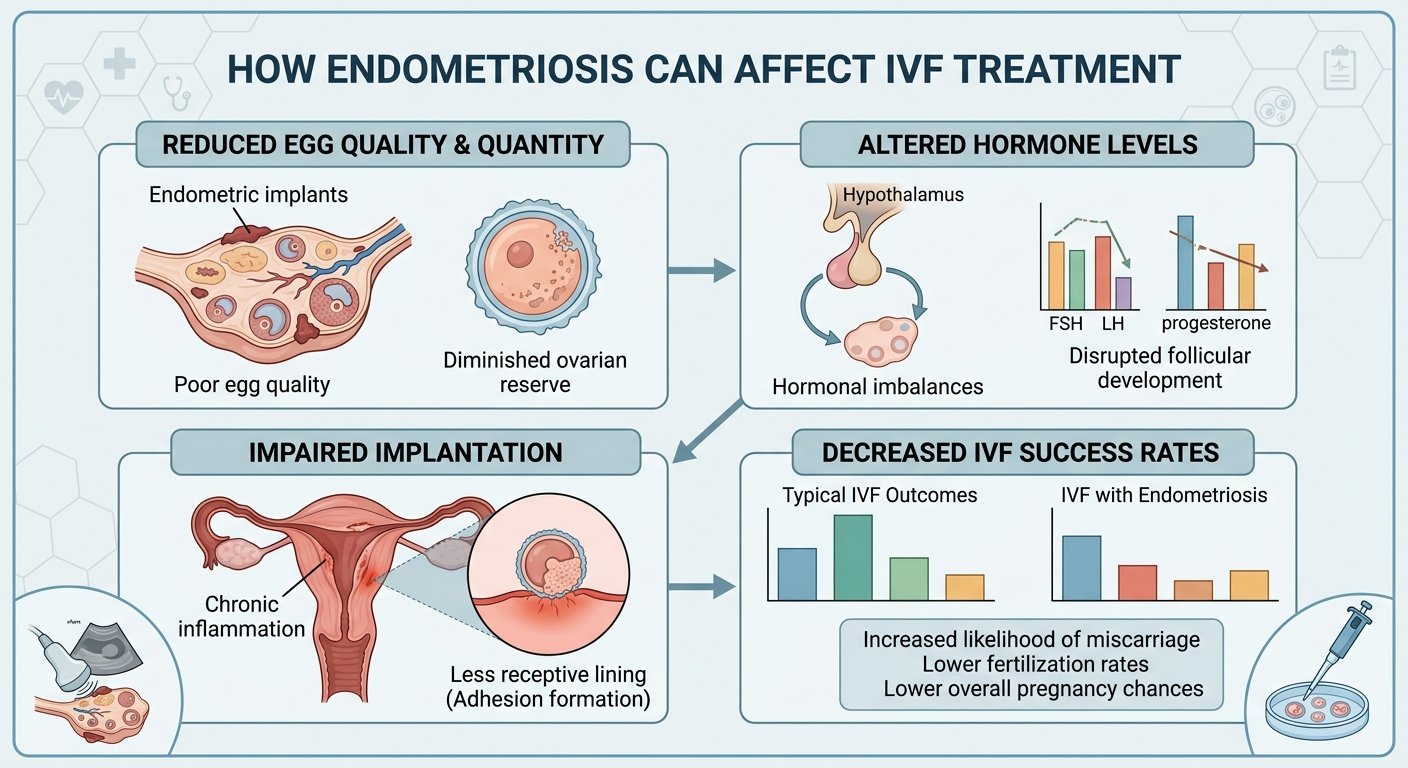
Under some specific conditions which make IUI and natural conception less appropriate, IVF is often advised. Such conditions may include restricted or severely damaged fallopian tubes, some specific types of acute male factor infertility, endometriosis, age associated fertility issues or unsuccessful past treatment procedures.
Whenever there is a severe male factor infertility problem, such as excessively low sperm counts and poor sperm functioning, and if the past IVF treatments have yielded unsatisfactory or weak fertilization results, ICSI is incorporated in the IVF. Recent research indicates that ICSI can occasionally not result in enhanced birth outcomes for patients without male factor infertility and a previous record of failed fertilization.
Therefore, further incorporation of different techniques into your treatment strategy does not mean a good treatment. The right integration would be the one that addresses the barrier to conception.
Selecting the Best Treatment Strategy
The most “optimum” fertility treatment procedure is not widely applicable to everyone.
Whenever prescribing a methodology for treatment a fertility specialist normally gives particular attention to;
- Age of the partner
- Ovarian reserves, even though they can not determine the possibility to get pregnant on their own, several tests like AMH and antral follicle concentration can reveal information regarding ovarian reserves.
- Ovulation irregularities, before considering going through more complex treatment procedures, diagnosis with the goal to know whether ovulation is happening or not, is necessary.
- Fallopian Tubes: in some situations obstructed tubes could potentially make it more difficult for egg and sperm to come in contact, making IVF more difficult.
- Health of the sperm: whether IUI, conventional IVF, or IVF integrated ICSI is better suited depends on the sperm quality, quantity, and morphology.
- Medical History: the following course of treatment may be contingent upon the outcomes of previous IVF cycles or ICSI.
- The duration of infertility: in comparison to infertility that can not be explained, a thorough diagnosis could change the direction of the treatment.
Prior to IVF, certain couples with infertility problems might opt for a short session of ovarian stimulation with the help of IUI, especially young couples. However, treatment can be personalized according to the age, condition diagnosis and other factors. Based on this, it could potentially prove to be misleading to opt for a treatment entirely on the basis of cost, success rates advertisements, and fertility progress of some other individual.
Success Rates of IUI, ICSI and IVF
Thus, it makes sense to ask, “which one of these treatments has the best success rate?” A certain percentage can not be given to summaries an answer to this question.
The age of the partner, the quality of the eggs, and embryos, her ovarian reserves, the health and quality of the sperm, the root causes of the infertility, and their past reproductive treatment history are all the variables that determine the likelihood of a positive outcome. Results on an individual basis can drastically differ despite receiving the same course of treatment.
Since fertilization is still required to take place spontaneously inside the reproductive system, IUI often has a smaller probability of pregnancy per cycle than IVF. By enabling fertilization along with early embryo growth to proceed as usual in a laboratory setting, IVF provides a better control.
ICSI, in some situations may improve the possibility of fertilization particularly when one is experiencing problems with sperm health and past instances of abnormal fertilization. Yet, regular ICSI is not recommended solely because its more complex procedure and an improved fertilization rate doesn’t always translate to an improved live-birth rate.
The Cost of IUI, IVF, and ICSI
The methodology, the right clinic, medications, laboratory services and any other additional diagnostic testing or processes required, all determine the cost of fertility treatment. While ICSI is done along with IVF and could raise the whole lab procedure prices. IUI is generally a cheaper option than IVF. It is important to inquire about the expected expenses from your chosen clinic before starting the treatment process.
With NJINSKY IVF & Fertility Clinic’s Assistance
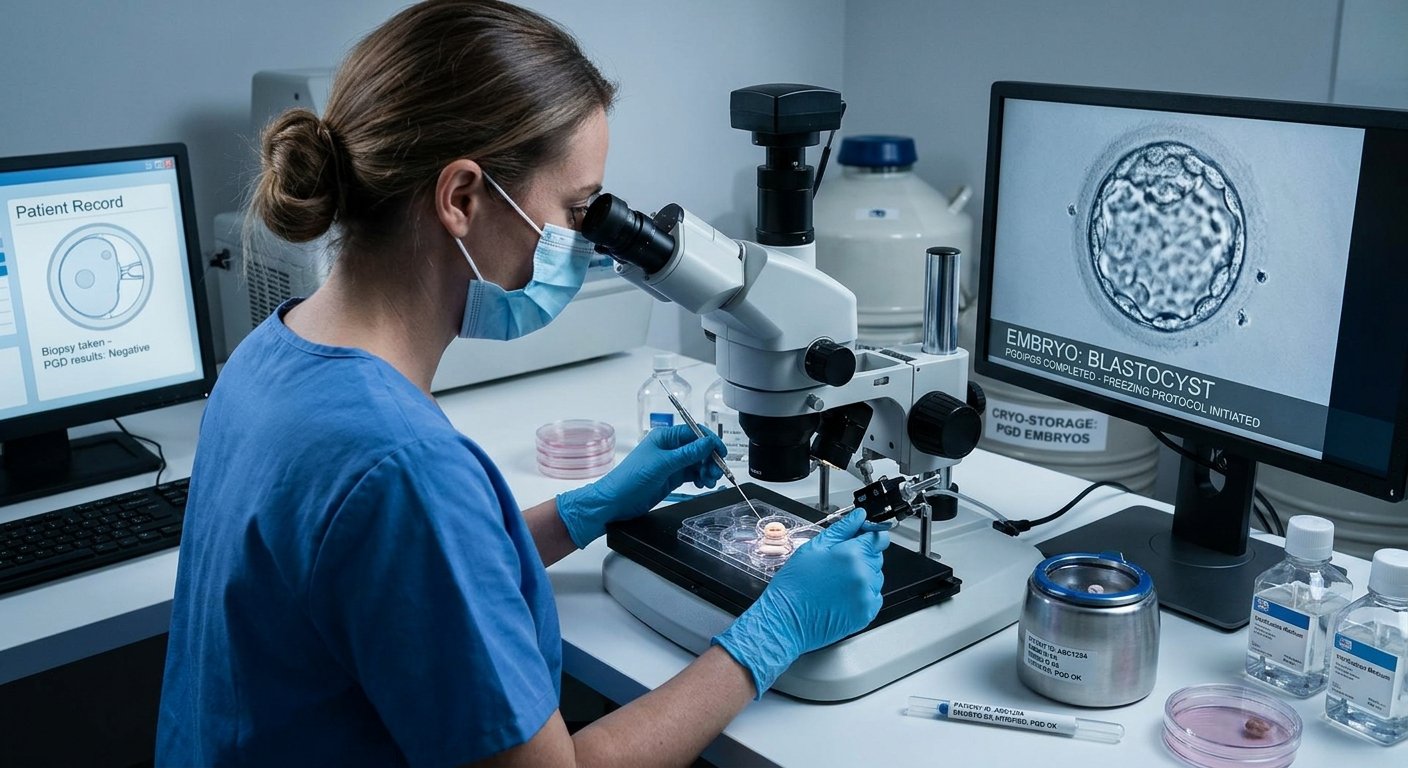
Each couple’s specific needs, diagnostic outcomes, and fertility goals are carefully taken into account when preparing for a fertility treatment at NJINSKY IVF & Fertility Clinic. IUI, IVF and ICSI, ovulation induction therapy, freezing of the sperms and eggs, PGT/PGD and preserved embryo transfer are all the services offered by NJINSKY IVF & Fertility Clinic. Whether or not IUI or IVF, paired with or without ICSI can prove to be a better option can be evaluated with the help of detailed fertility evaluation.