


Stay updated with the latest fertility breakthroughs, tips, and success stories.
Having difficulty conceiving naturally or dealing with male infertility? IUI could be the right procedure for you. NJINSKY IVF & FERTILITY CLINIC offers a comfortable and simple IUI treatment that might help you overcome infertility.

IUI (Intrauterine Insemination) is a procedure in which specially prepared sperm is placed directly into a woman’s uterus during ovulation to increase the chances of pregnancy. If you are having difficulty conceiving naturally due to problems such as low quantity or quality of sperm, thick cervical mucus, erectile dysfunction, semen allergy, or unexplained infertility, Intrauterine Insemination may be the right choice for you. NJINSKY IVF & FERTILITY CLINIC helps you to get the most effective IUI treatment in Pakistan.
For a natural conception, sperm must travel from the vagina through the cervix and into the uterus before reaching the egg in the fallopian tubes. Most sperm do not survive this journey, leaving only a few healthy ones to fertilize the egg. Therefore, if you are suffering from conditions such as low sperm count, low motility or abnormally shaped sperm, very few or none of the sperm reach the egg leading to no fertilisation, and hence no pregnancy.
NJINSKY IVF & FERTILITY CLINIC, the best IUI center in Lahore, with a team of fertility experts, assists you in getting every step right before your IUI fertility treatment. This includes blood tests, ultrasounds, and a semen analysis before building your personalized IUI plan. For women, ovulation tracking is crucial in optimizing the timing of the procedure, while mild ovarian stimulation may be recommended to increase the chances of achieving pregnancy.
The IUI procedure is simple and non-invasive. This is what you should expect:
We track your ovulation cycle via ultrasounds/hormone tests to determine the most optimal time for insemination. We may also use hormonal medications or injections to release multiple eggs to increase the IUI success rate.
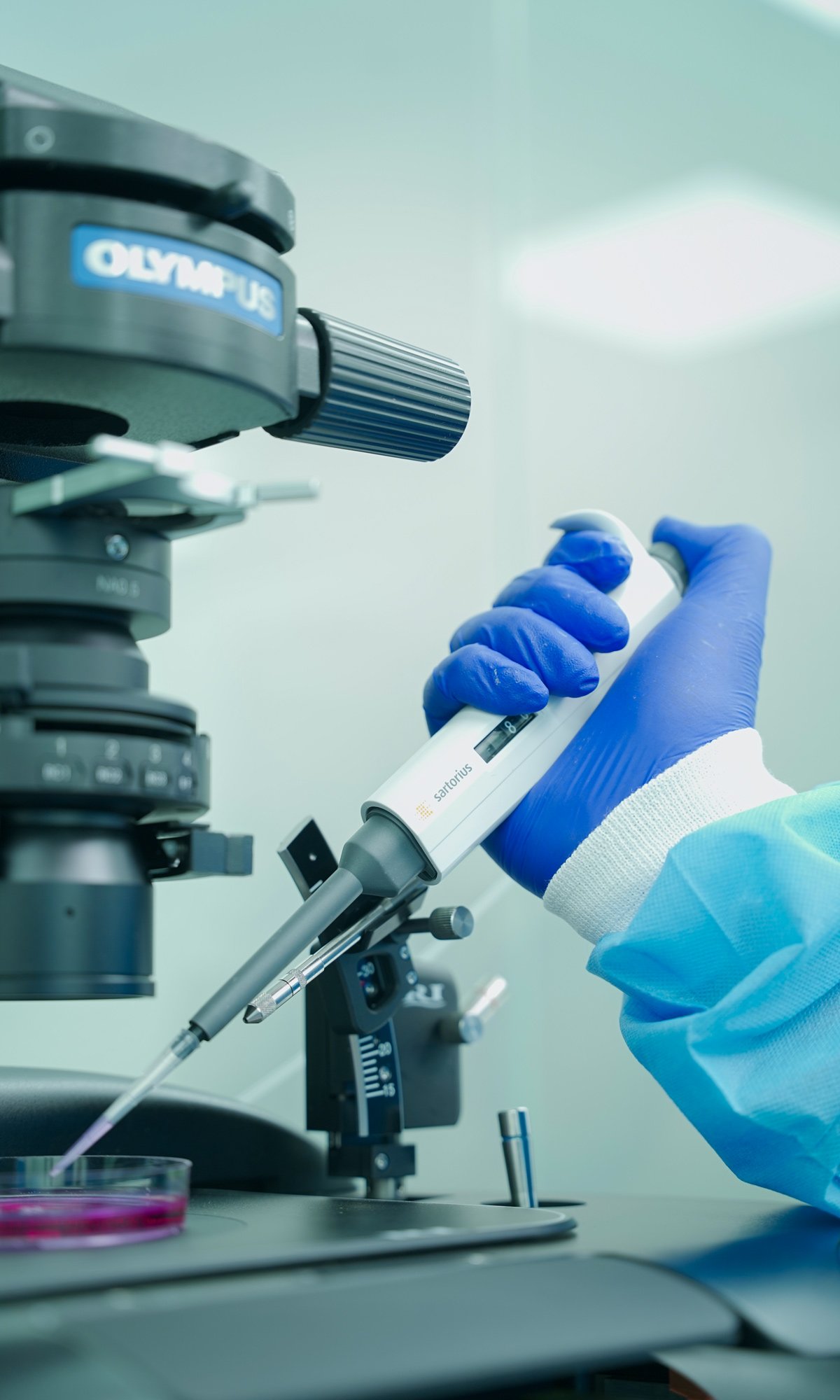
The sperm sample is washed and concentrated to ensure only the healthiest sperm are utilized.
The prepared sperm is carefully introduced into the uterus using a thin catheter; this process is easy and often painless.
Normal activities can be resumed shortly after; we will guide you on what to expect the day after the treatment.
IUI is a suitable option for couples who are challenged by certain fertility issues that include:
The IUI success rate in Pakistan has significantly improved over the years due to advanced fertility treatments in IVF clinics such as our NJINSKY IVF & FERTILITY CLINIC. We have helped numerous couples achieve parenthood, making us one of the leading IUI centers in Pakistan. Every couple’s journey is different and we are always here to discuss your journey with you and support you till your desired outcome.
If you are looking for an IUI treatment in Lahore, NJINSKY IVF & FERTILITY CLINIC is the right place for you as we ensure top-notch care throughout your treatment.
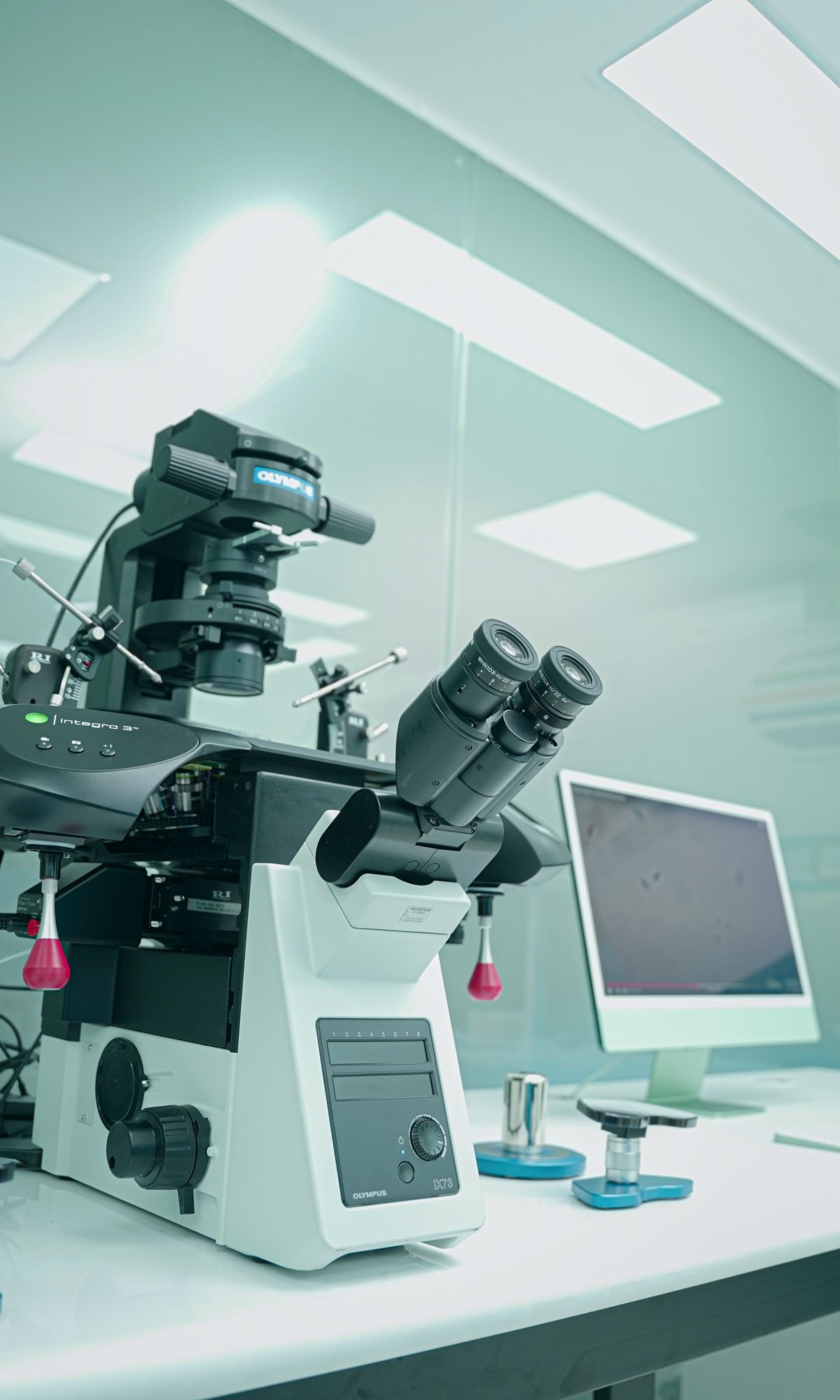
If you are facing infertility issues and considering IUI, NJINSKY IVF & FERTILITY CLINIC offers you the most affordable IUI treatment cost in Lahore, Pakistan. IUI treatment cost in Pakistan varies across clinics. At NJINSKY, you are provided with highly qualified fertility experts who provide an accurate diagnosis through medical history, physical examination, and fertility testing to ensure the most appropriate treatment option for you. Our clinic is equipped with an ISO-certified biosafety level 2 embryology lab built on WHO guidelines, upholding the highest medical standards. This means you can access high-quality fertility care at the best IUI cost in Pakistan with NJINSKY.
If you are looking for IUI treatment in Lahore, NJINSKY IVF & FERTILITY CLINIC is an excellent choice for you, Here are a few reasons why you should choose us over other IUI clinics in Pakistan:
Our doctors are exceptionally qualified, with over 18+ years of experience and proven success in IUI treatments.
We strive to provide our clients with the most appropriate fertility treatment, tailored to their medical needs and affordability.
Our IUI treatment consistently achieves high success rates across Pakistan.
We offer all types of treatments, including: Gender selection, ICSI, IUI, IVF, Sperm freezing, Egg freezing, Embryo freezing.
We offer high-quality services at the most affordable costs.
Our IUI success rate is among the leading IUI success rates in Pakistan, we are well-equipped and committed to providing comfort to our patients throughout their journey to parenthood.
Our IVF center is equipped with advanced reproductive technology and an ISO-certified biosafety level 2 embryology lab built on WHO guidelines, upholding the highest medical standards.



If you are considering advanced IUI treatment in Lahore, book an appointment with us now and take the first step toward achieving your dream of parenthood.
If you are looking for IUI treatment in Lahore, NJINSKY IVF & FERTILITY CLINIC is an excellent choice for you, Here are a few reasons why you should choose us over other IUI clinics in Pakistan:
Our doctors are exceptionally qualified, with over 30 years of experience and proven success in IUI treatments.
We strive to provide our clients with the most appropriate fertility treatment, tailored to their medical needs and affordability.
Our IUI treatment consistently achieves high success rates across Pakistan.
We offer all types of treatments, including: Gender selection, ICSI, IUI, IVF, Sperm freezing, Egg freezing, Embryo freezing.
We offer high-quality services at the most affordable costs.
Our IUI success rate is among the leading IUI success rates in Pakistan, we are well-equipped and committed to providing comfort to our patients throughout their journey to parenthood.
Our IVF center is equipped with advanced reproductive technology and an ISO-certified biosafety level 2 embryology lab built on WHO guidelines, upholding the highest medical standards.
If you are considering advanced IUI treatment in Lahore, book an appointment with us now and take the first step toward achieving your dream of parenthood.
It is a fertility treatment in which specially prepared sperm is inserted into the uterus during ovulation, increasing the chances of fertilization.
It works by placing highly concentrated, healthy sperm directly into the uterus, shortening the sperm’s journey to the egg and increasing the chance of pregnancy.
It is suitable for couples having difficulty conceiving naturally due to problems such as low quantity or quality of sperm, thick cervical mucus, erectile dysfunction, semen allergy, or unexplained infertility.
The overall IUI success rate in Pakistan is 10-15% per cycle.
IUI cost varies depending on the clinic, medications, and number of cycles. At NJINSKY IVF & FERTILITY CLINIC, our ISO-certified Biosafety Level 2 embryology lab ensures high-quality care at one of the most affordable IUI costs in Pakistan.
IUI treatment cost in Lahore varies across different clinics. At NJINSKY IVF & FERTILITY CLINIC, our fertility specialists perform a thorough diagnostic evaluation using your medical history, physical examination, and fertility tests to ensure the most effective IUI plan.
At NJINSKY IVF & FERTILITY CLINIC, many patients conceive in the first cycle, factors such as advanced maternal age, low sperm quality, low ovarian reserve, or unexplained infertility may require 3–4 cycles.
No, IUI is usually painless. Some women may feel mild discomfort from the speculum, similar to a Pap smear.
The best IUI center should have experienced fertility specialists and an ISO-certified biosafety level 2 embryology lab built on WHO guidelines, just like NJINSKY IVF & FERTILITY CLINIC in Lahore.
Yes, IUI treatment is available across Pakistan, with NJINSKY IVF & FERTILITY CLINIC being one of the leading clinics for IUI treatment in Pakistan.
Stay updated with the latest fertility breakthroughs, tips, and success stories.
Njinsky IVF & Fertility Centre