PID (Pelvic Inflammatory Disease) is a condition that affects women worldwide. It does not affect men because it is an infection of the female upper reproductive tract. Since PID does not cause symptoms in all patients, it can easily go unnoticed, potentially leading to complications such as infertility if left untreated. Understanding the connection between PID and infertility is essential for protecting reproductive health.
PID and Reproductive Health
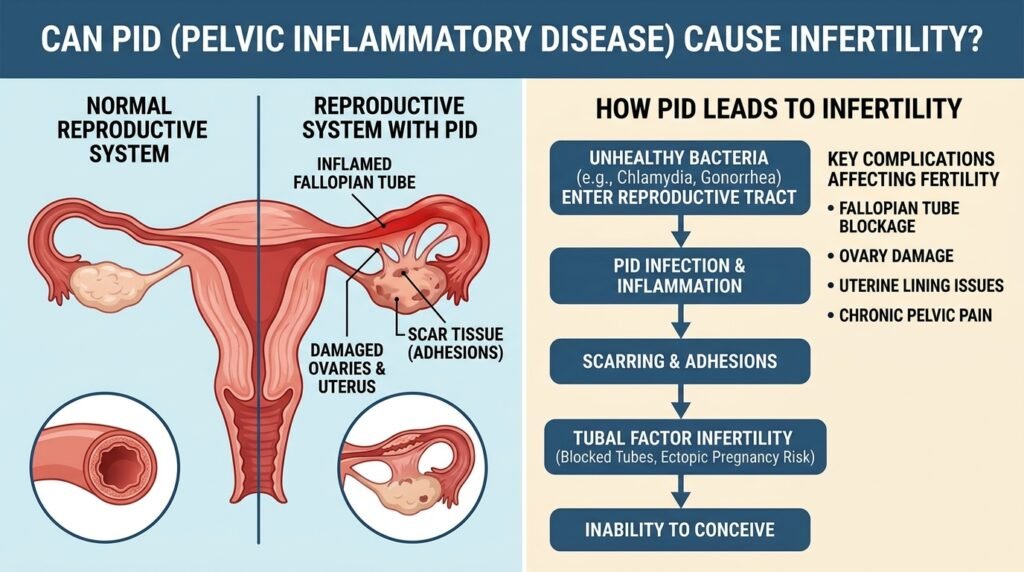
PID is one of the leading infection-related causes of female infertility. It primarily affects the female reproductive organs, including the uterus, fallopian tubes, ovaries, and the surrounding pelvic tissues. The condition usually develops when bacteria travel from the vagina or cervix into the upper female reproductive tract. If left untreated, the infection can spread to the fallopian tubes and ovaries, increasing the risk of infertility. This often occurs because many women experience mild symptoms or no symptoms at all, delaying diagnosis and treatment.
How Does PID Cause Infertility?
PID is a preventable cause of infertility when diagnosed early and treated promptly. It is most commonly caused by untreated sexually transmitted infections (STIs), particularly Chlamydia trachomatis and Neisseria gonorrhoeae. However, PID can also develop following childbirth, miscarriage, abortion, or certain gynecological procedures, especially when bacteria ascend into the upper reproductive tract.
Damage to the fallopian tubes is the primary reason PID can lead to infertility. The fallopian tubes are the site where fertilization normally occurs and serve as the pathway through which the egg or embryo travels to the uterus. Infection can cause inflammation, scarring, adhesions, and tubal blockage, preventing sperm from reaching the egg or hindering the transport of a fertilized egg to the uterus. Receiving timely treatment is essential because recurrent episodes of PID increase the likelihood of permanent tubal damage and infertility.
Diagnosis of Fertility Problems Due to Infection
PID may be suspected in women experiencing infertility along with symptoms suggestive of pelvic infection. Common symptoms include lower abdominal or pelvic pain, abnormal or foul-smelling vaginal discharge, pain during sexual intercourse, burning during urination, irregular menstrual bleeding, and, in some cases, fever.
Because PID symptoms can be mild or completely absent, regular gynecological check-ups and prompt evaluation of any concerning symptoms are important. Untreated PID also increases the risk of ectopic pregnancy due to damage to the fallopian tubes.
There is no single test that confirms PID in every case. Healthcare professionals diagnose PID based on a combination of medical history, physical examination, laboratory tests, and imaging studies when appropriate. Women experiencing infertility should also be evaluated for sexually transmitted infections, as identifying and treating these infections is an important part of fertility assessment.
Preventing PID and Protecting Fertility
Prevention is the most effective way to protect fertility. Important steps include:
- Practicing safe sex.
- Undergoing regular STI screening, especially for individuals at increased risk.
- Seeking prompt medical treatment for suspected infections.
- Ensuring sexual partners receive evaluation and treatment when necessary to prevent reinfection.
- Completing the full course of prescribed antibiotics exactly as directed.
Treatment for Infection-Induced Infertility
PID is usually treated with antibiotics, particularly when diagnosed early. However, antibiotic treatment cannot reverse scarring or adhesions that have already developed. If recurrent infections or delayed treatment result in permanent damage leading to infertility, advanced fertility treatments may be required.
Treatment options may include surgery to remove adhesions or repair damaged reproductive structures in selected patients, as well as assisted reproductive technologies (ART), including intrauterine insemination (IUI), in vitro fertilization (IVF), and intracytoplasmic sperm injection (ICSI), depending on the underlying cause of infertility.
Although PID itself affects only women, the sexually transmitted infections that commonly cause PID—such as chlamydia and gonorrhea—can also infect men. If left untreated, these infections may lead to inflammation of the male reproductive tract and may negatively affect fertility. Early diagnosis and appropriate treatment of these infections can help preserve male reproductive health.
Njinsky IVF & Fertility Clinic
At Njinsky IVF & Fertility Clinic, our consultant gynecologists take the necessary steps to diagnose PID through appropriate clinical evaluation and diagnostic testing before providing an individualized treatment plan. For patients experiencing infertility related to PID, our fertility specialists carefully evaluate the underlying cause and recommend the most suitable treatment to help achieve parenthood.
Our clinic is equipped with advanced technology for assisted reproductive techniques, including IUI, IVF, and ICSI. We not only provide comprehensive treatment for PID but also offer advanced fertility solutions for patients who have experienced permanent reproductive damage. At Njinsky IVF & Fertility Clinic, we are committed to delivering compassionate, evidence-based fertility care tailored to every individual’s journey toward parenthood.