An estimated 190 million women worldwide are affected by endometriosis, a chronic gynecological condition. It occurs when tissue similar to the uterine lining grows outside the uterus, causing pain, discomfort, inflammation, and sometimes fertility difficulties.
Understanding the underlying causes of endometriosis is essential for timely diagnosis, prevention, and effective symptom management. While the exact cause of the disease is not fully understood, researchers have identified several potential mechanisms and risk factors that contribute to its development. This article explains the known causes of endometriosis, its associated risk factors, and a specific type known as “scar endometriosis.”
Endometriosis
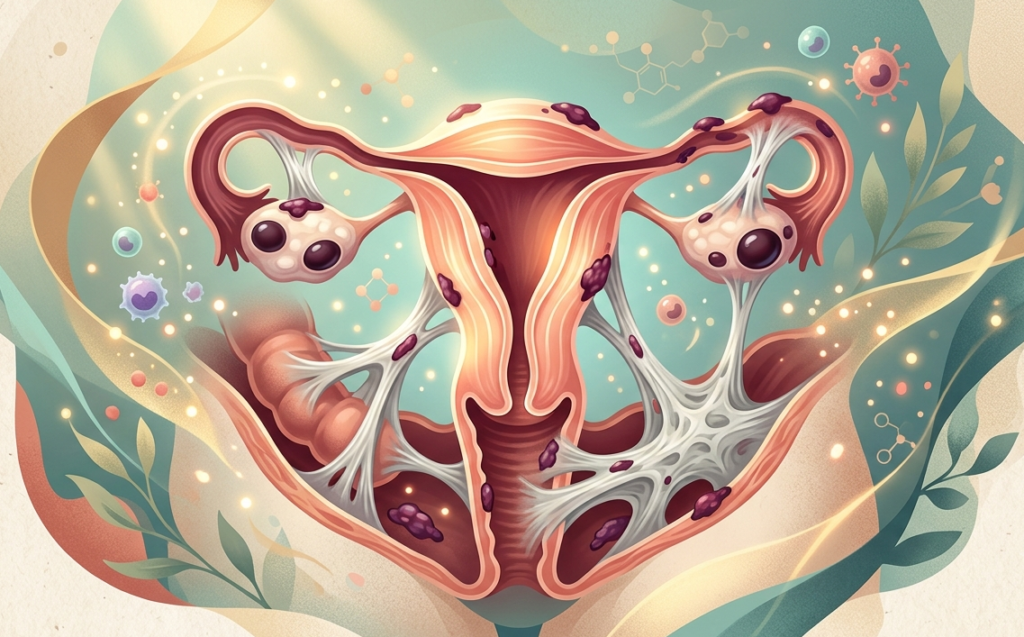
Endometriosis is a chronic condition in which tissue similar to the lining of the uterus (the endometrium) grows outside the uterus, commonly on the ovaries, fallopian tubes, and the outer surface of other pelvic organs. With each menstrual cycle, this tissue thickens, breaks down, and bleeds much like the uterine lining does, leading to inflammation, scarring, and pain.
Endometriosis affects an estimated 10% of women and girls of reproductive age worldwide. Although the exact cause remains unknown, hormonal factors, genetics, and abnormalities in the immune system are all thought to play a role.
Diagnosis typically involves a combination of pelvic examination, ultrasound imaging, and, in some cases, laparoscopy. While there is no single treatment that works for everyone, medications and surgery can effectively manage the condition.
Causes of Endometriosis
There is no single explanation that accounts for every case, which makes the exact cause of endometriosis difficult to pinpoint. Instead, researchers believe that a combination of biological and environmental factors plays a major role.
1. The Theory of Retrograde Menstruation
Retrograde menstruation is considered one of the most widely recognized theories about the cause of endometriosis. It suggests that during menstruation, some menstrual blood flows backward through the fallopian tubes into the pelvic cavity instead of leaving the body. The endometrial cells in this blood can then attach to pelvic organs and continue to grow. However, most women experience some degree of retrograde menstruation without developing endometriosis, suggesting that other factors, such as genetics, immune system dysfunction, and hormonal influences, also play a role.
2. Genetic Components
Genetics also play a significant role in the development of endometriosis. Women with a family history of the condition are more likely to develop it themselves, which suggests that:
- Certain genes may increase susceptibility to the disease
- Genetic factors can influence hormone regulation
- Inherited differences in immune system function may also contribute
3. Immune System Dysfunction
Immune system dysfunction is another potential contributing factor. In some women, the immune system may fail to recognize and clear endometrial cells that implant outside the uterus. This can allow the misplaced tissue to survive, grow, and trigger inflammation, further enabling the development of endometriosis.
4. Hormonal Influence
Endometriosis is considered an estrogen-dependent condition. The tissue that grows outside the uterus responds to estrogen in the same way the uterine lining does, thickening, breaking down, and bleeding with each menstrual cycle. This hormonal activity drives inflammation and can interfere with normal reproductive function.
5. Iatrogenic or Surgical Spread
Endometrial cells can sometimes be unintentionally transplanted outside the uterus during surgical procedures, where they may implant and grow. Surgeries associated with this risk include:
- Cesarean sections
- Hysterectomies
- Laparoscopic surgeries
This mechanism is particularly relevant to the development of scar endometriosis, discussed in more detail below.
The Effect of Endometriosis on the Body
As endometrial-like tissue grows outside the uterus, it continues to respond to hormonal changes, which can lead to:
- Chronic inflammation
- Internal bleeding during menstruation
- Scar tissue formation
- Adhesions between organs
These changes can cause pain and contribute to fertility difficulties.
The Link Between Endometriosis and Fertility
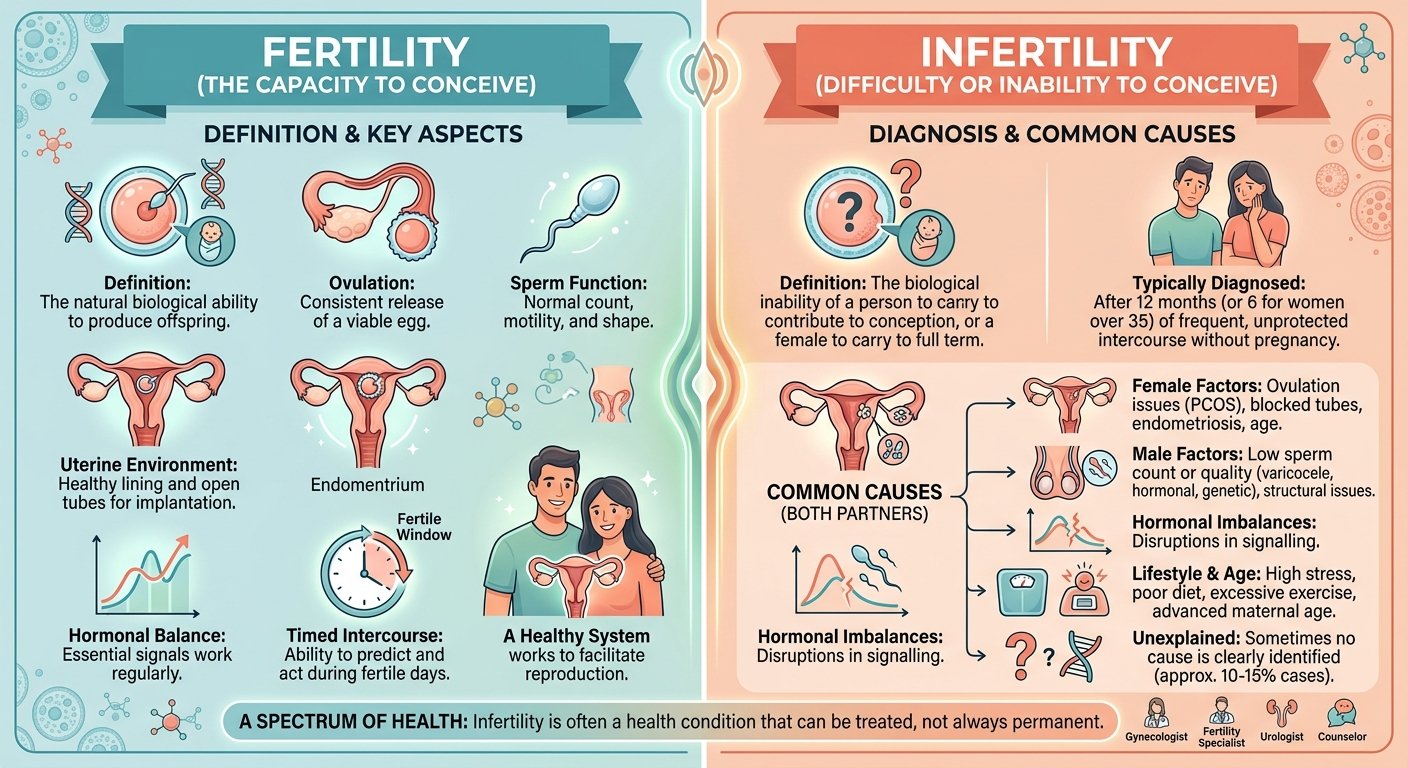
Although many women with endometriosis conceive naturally, the condition can still affect fertility.
Potential effects on fertility include:
- Structural changes to reproductive organs
- Blocked or damaged fallopian tubes
- Inflammation that affects egg quality
- In severe cases, impaired ovarian function
Fertility outcomes can be significantly improved when endometriosis is detected and treated early.
The Value of Early Diagnosis
Early diagnosis is essential for effectively managing symptoms and preserving fertility. Unfortunately, because symptoms are often mistaken for typical menstrual discomfort, many women experience significant delays before being diagnosed.
Recognizing the symptoms and understanding the causes of endometriosis can support earlier diagnosis and help slow disease progression.
The Diagnosis of Endometriosis
Specialists use a range of techniques to diagnose endometriosis, including:
These methods help determine the extent and severity of the condition.
Scar Endometriosis
The growth of endometrial tissue inside or around the area of a surgical scar is known as scar endometriosis. It usually develops in the abdominal wall following gynecological or obstetric procedures, such as cesarean deliveries.
Common symptoms include:
- A noticeable, painful bump at the incision site
- Localized pain that worsens during menstrual cycles
- A history of previous abdominal or pelvic surgery
Scar endometriosis is typically treated with surgical removal of the affected tissue. Ultrasound imaging is often used to help locate the lesion beforehand, and hormonal therapy may be given afterward to reduce the risk of recurrence.
Manage Endometriosis With Advanced Fertility Care
NJINSKY IVF & Fertility Clinic provides extensive fertility treatment care tailored to fulfill the needs of patients suffering from endometriosis-related infertility. For the purpose of determining how endometriosis may be affecting reproductive health, this clinic emphasizes accurate diagnosis using imaging, specialized screenings, and fertility evaluations.
Ovulation induction, IVF, IUI, ICSI, and embryo transfer are just a handful of the advanced fertility treatment services at NJINSKY IVF & Fertility Clinic. These treatments are designed to improve the patient’s probability of conceiving by helping them resolve endometriosis-related infertility issues.
NJINSKY IVF & Fertility Clinic’s qualified team of gynecologists, embryologists, and fertility experts integrates advanced reproductive technology with personalized patient care. During their fertility journey, patients may receive quality care, guidance, and support, owing to this integrated approach.
When is it the Right Time to Consult a Specialist?
A professional should be contacted when you encounter any of the following:
- Severe menstrual pain
- Persistent pain in the pelvic region
- Pain during intercourse
- Difficulty getting pregnant
- Uncomfortable swelling near surgical scars
Early and prompt medical attention can improve treatment outcomes and help prevent complications.
Conclusion
Recognizing how endometriosis develops and affects women differently requires an understanding of its causes. Hormonal influence, immune response, genetics, and surgical history are all contributing variables, but no single explanation can account for all cases.
In particular, the causes of scar endometriosis emphasize the significance of careful diagnosis and follow-up care by highlighting how surgical procedures can occasionally result in localized endometrial growth.
Women can effectively manage symptoms and safeguard their reproductive health with the right medical care and early diagnosis. Advanced diagnostic and fertility treatments are offered by clinics like NJINSKY IVF & Fertility Clinic, which enable patients to obtain prompt care and individualized treatment for improved long-term results.