Endometriosis is far more than just painful periods. It is a chronic gynecological condition that may affect a woman’s pelvic organs, fertility, emotional well-being, and overall quality of life. Although many women are able to manage their symptoms, some experience significant difficulties in their daily activities and may require ongoing medical care.
Therefore, it is important to understand the complications associated with endometriosis and seek timely evaluation and treatment. Appropriate management can help control symptoms, address fertility concerns, and improve quality of life.
This blog explains the most common endometriosis complications, how these complications may influence fertility and overall health, and when it may be appropriate to seek medical help. Although not every patient with endometriosis experiences these problems, the condition is associated with chronic pelvic pain, infertility or difficulty conceiving, adhesions, ovarian endometriomas, and other health concerns.
Endometriosis
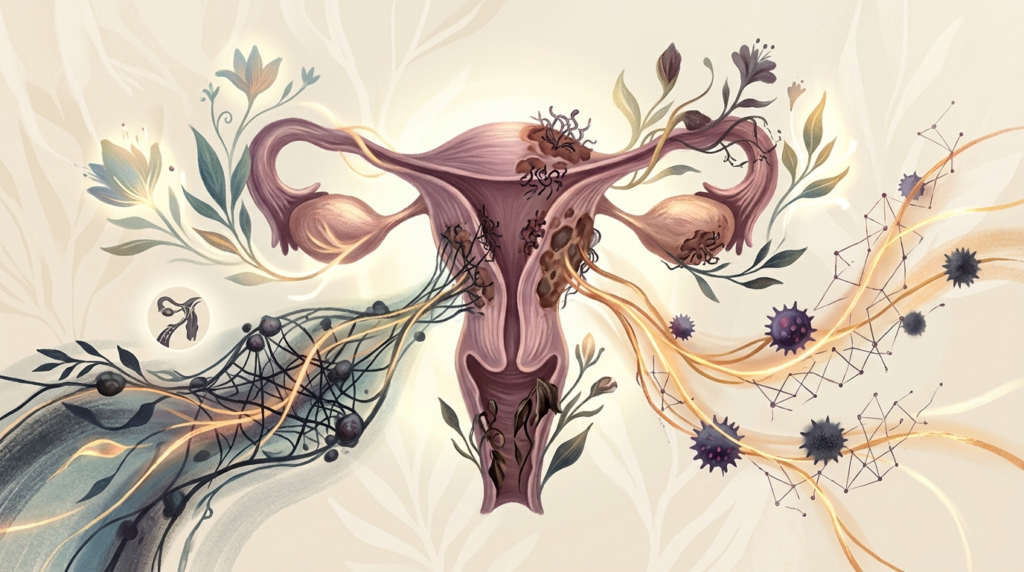
When tissue similar to the lining of the uterus grows outside the uterine cavity, it is referred to as endometriosis. It can affect the ovaries, fallopian tubes, pelvic lining (peritoneum), bowel, bladder, and other structures within the pelvis.
Endometriosis lesions can respond to hormonal changes during the menstrual cycle. The resulting inflammatory response can contribute to pain, scar tissue, adhesions, and changes in the surrounding pelvic tissues.
Over time, these changes can contribute to a variety of endometriosis-related complications, although the severity and symptoms vary considerably from one woman to another.
Persistent Pelvic Pain
Chronic pelvic pain is one of the most common symptoms associated with endometriosis. Unlike typical menstrual cramps, endometriosis-related pain may occur:
- Before menstruation
- During menstruation
- Around the time of ovulation
- During sexual intercourse
- During bowel movements
Pain can become persistent over time and may be influenced by inflammation and changes in the pelvic nerves and surrounding tissues. Persistent pain can have a major impact on relationships, physical activity, sleep, work, and emotional well-being.
Difficulty Conceiving and Infertility
One of the important consequences of endometriosis is difficulty conceiving. Although many women with endometriosis become pregnant naturally, the condition can affect fertility in some patients.
Endometriosis may affect fertility through several mechanisms, including:
- Adhesions and changes in pelvic anatomy
- Ovarian endometriomas
- Inflammation within the pelvic environment
- Changes affecting the ovaries and fallopian tubes
- Possible effects on egg quality and ovarian function
- Factors that may affect fertilization or implantation
The effect on fertility depends on the extent and location of endometriosis, the woman’s age, ovarian reserve, and other fertility factors.
Scar Tissue and Adhesions
Adhesions are bands of scar-like tissue that can cause pelvic organs to stick to one another. They may develop as a result of inflammation associated with endometriosis or following previous pelvic surgery.
Adhesions can:
- Restrict normal movement of pelvic organs
- Contribute to persistent pelvic pain
- Distort reproductive anatomy
- Affect the fallopian tubes and ovaries
- Make some surgical procedures more complex
- Contribute to difficulty conceiving
Severe adhesions can significantly alter the normal structure of the pelvic region in some cases.
Ovarian Endometriomas
Ovarian endometriomas, sometimes known as “chocolate cysts,” are cysts associated with endometriosis that contain altered or old blood.
Depending on their size and location, endometriomas may be associated with:
- Pelvic pain or discomfort
- Changes in ovarian tissue
- Reduced ovarian reserve in some women
- Difficulty conceiving
- Complications during fertility treatment in certain cases
Not every endometrioma requires surgery. Treatment depends on factors such as the woman’s symptoms, cyst size and characteristics, fertility plans, ovarian reserve, and whether there are other concerns.
Surgery may sometimes be considered, but ovarian surgery can itself affect ovarian reserve. Therefore, the potential benefits and risks should be carefully discussed with a specialist, particularly when future fertility is important.
Involvement of Bowel and Bladder
Endometriosis is not limited to the reproductive organs. Deep endometriosis can involve the bowel, bladder, and other structures within the pelvis.
Depending on the location of the lesions, symptoms may include:
- Pain during bowel movements
- Constipation or diarrhea, particularly around menstruation
- Painful urination
- Blood in the urine or stool during menstruation in some cases
- Bloating or pelvic discomfort
These symptoms do not necessarily mean that endometriosis is affecting the bowel or bladder, as other conditions can cause similar symptoms. Women experiencing persistent or severe symptoms should be evaluated by an appropriate medical specialist.
Emotional and Psychological Impact
Fertility problems and persistent pain can have a significant impact on psychological well-being.
Many women with endometriosis may experience:
- Stress and fear
- Anxiety
- Depression
- Sleep disturbance
- Low self-confidence
- Difficulties in personal relationships
Comprehensive endometriosis care should therefore consider mental health as well as physical symptoms. Psychological support or counseling may be beneficial alongside appropriate medical treatment, particularly for women dealing with chronic pain or fertility-related stress.
Complications Related to Pregnancy
Research suggests that endometriosis may be associated with an increased risk of certain pregnancy complications, including preterm birth, placenta previa, hypertensive disorders of pregnancy, and preeclampsia. Some studies have also reported an association with miscarriage.
However, an increased risk does not mean that these complications will occur in every woman with endometriosis. Many women with endometriosis have healthy pregnancies.
Women with endometriosis who become pregnant should receive appropriate prenatal care, with monitoring based on their individual medical history and pregnancy-related risk factors.
Long-Term Health Complications
Endometriosis can have long-term effects on pain, fertility, and quality of life. Chronic inflammation associated with the condition may contribute to adhesions, ovarian endometriomas, and changes in the surrounding pelvic tissues.
Extensive endometriosis can sometimes involve the bowel, bladder, or urinary tract and may require specialized evaluation and treatment. However, severe organ dysfunction is uncommon and should not be considered a typical consequence of endometriosis.
Chronic pain and ongoing medical treatment can also contribute to fatigue, anxiety, depression, sleep problems, and reduced quality of life.
Research has also identified an association between endometriosis and a small increased risk of certain ovarian cancers, particularly clear-cell and endometrioid ovarian cancers. However, the absolute risk of developing ovarian cancer remains low, and endometriosis does not mean that a woman will develop cancer.
Scientists continue to investigate possible associations between endometriosis and other chronic health conditions, including cardiovascular and autoimmune diseases. Although some studies have reported associations, these findings do not establish that endometriosis directly causes these conditions. Individual risk varies, and further research is needed to better understand these relationships.
Can Such Complications Be Prevented?
There is currently no definitive cure for endometriosis, but appropriate treatment can help control symptoms, manage complications, and improve quality of life.
Management of the disorder may include:
- Seeking professional medical advice
- Pain-relieving medications
- Hormonal treatments
- Lifestyle and supportive measures
- Surgery in selected cases
- Fertility treatment when required
Laparoscopy may be considered in selected patients, particularly when symptoms persist despite treatment or when the diagnosis remains uncertain after appropriate clinical assessment and imaging.
Regular follow-up allows specialists to monitor symptoms, assess treatment effectiveness, and adjust the management plan when needed.
Conclusion
Although painful periods are a common symptom of endometriosis, its effects can go much beyond the menstrual cycle. Chronic pelvic pain, difficulty conceiving, ovarian endometriomas, adhesions, bowel or bladder involvement, emotional distress, and an increased risk of certain pregnancy-related complications are among the concerns associated with the condition.
Fortunately, many women can effectively manage their symptoms and protect their reproductive health with appropriate evaluation, individualized treatment, and regular follow-up. Speaking with a qualified gynecologist or fertility specialist at a renowned facility like NJINSKY IVF & Fertility Clinic can be an important step for women who suspect endometriosis or have already received a diagnosis.