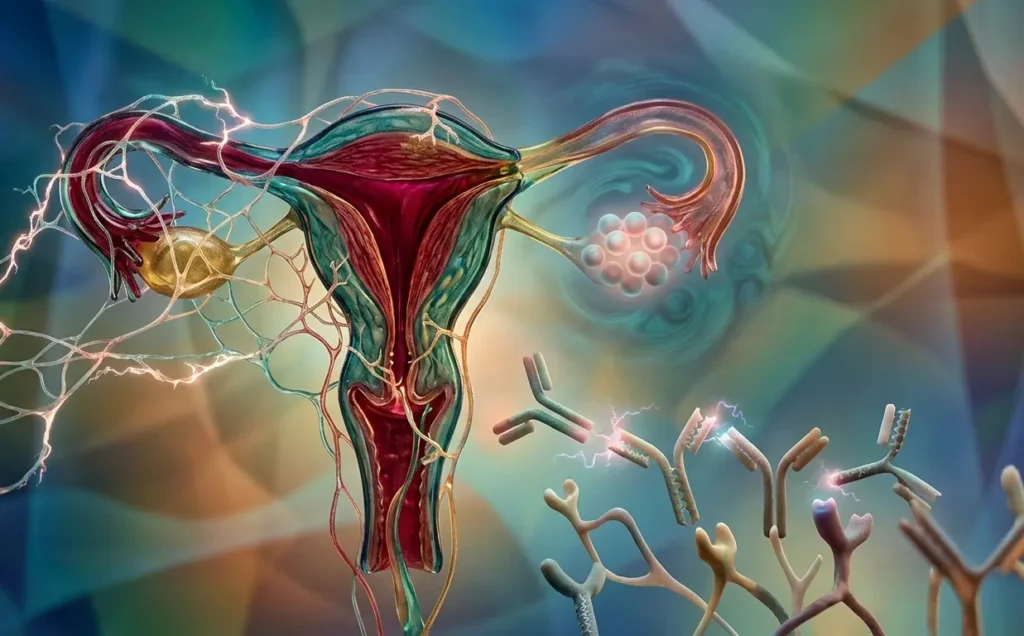
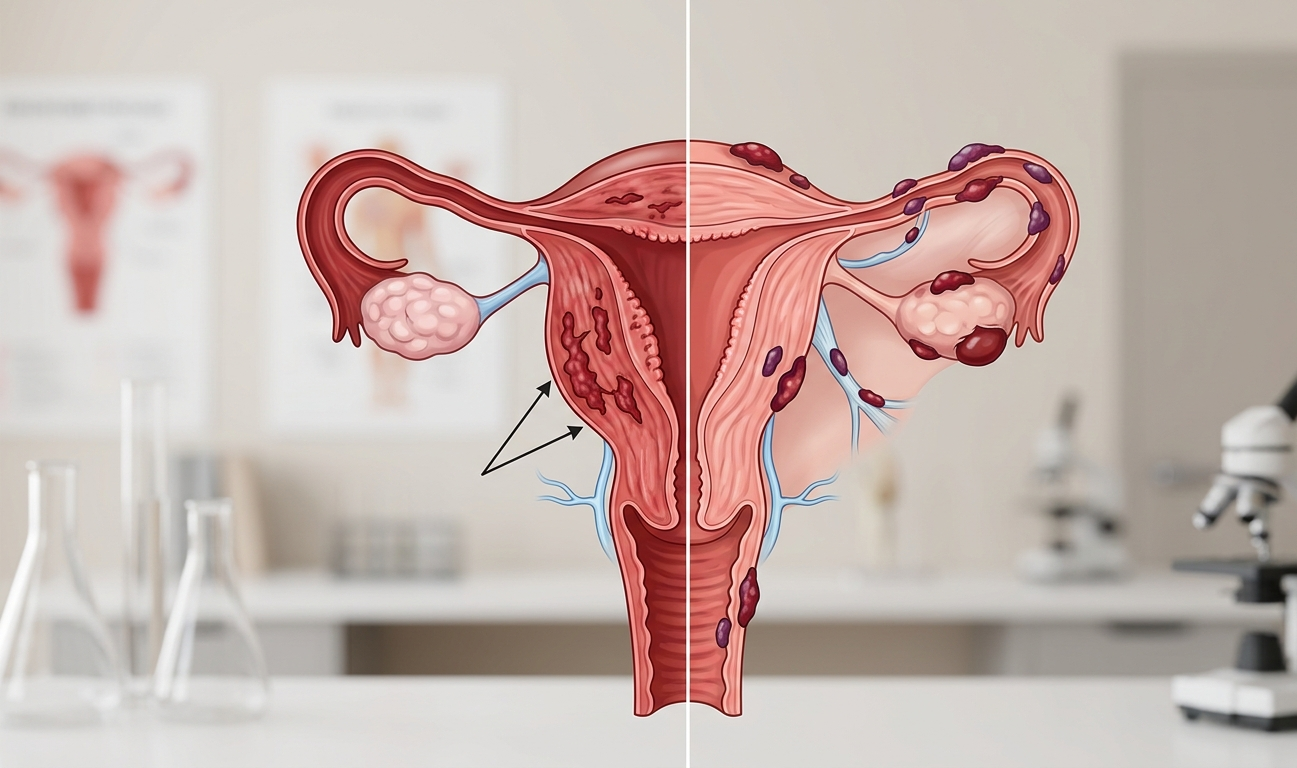
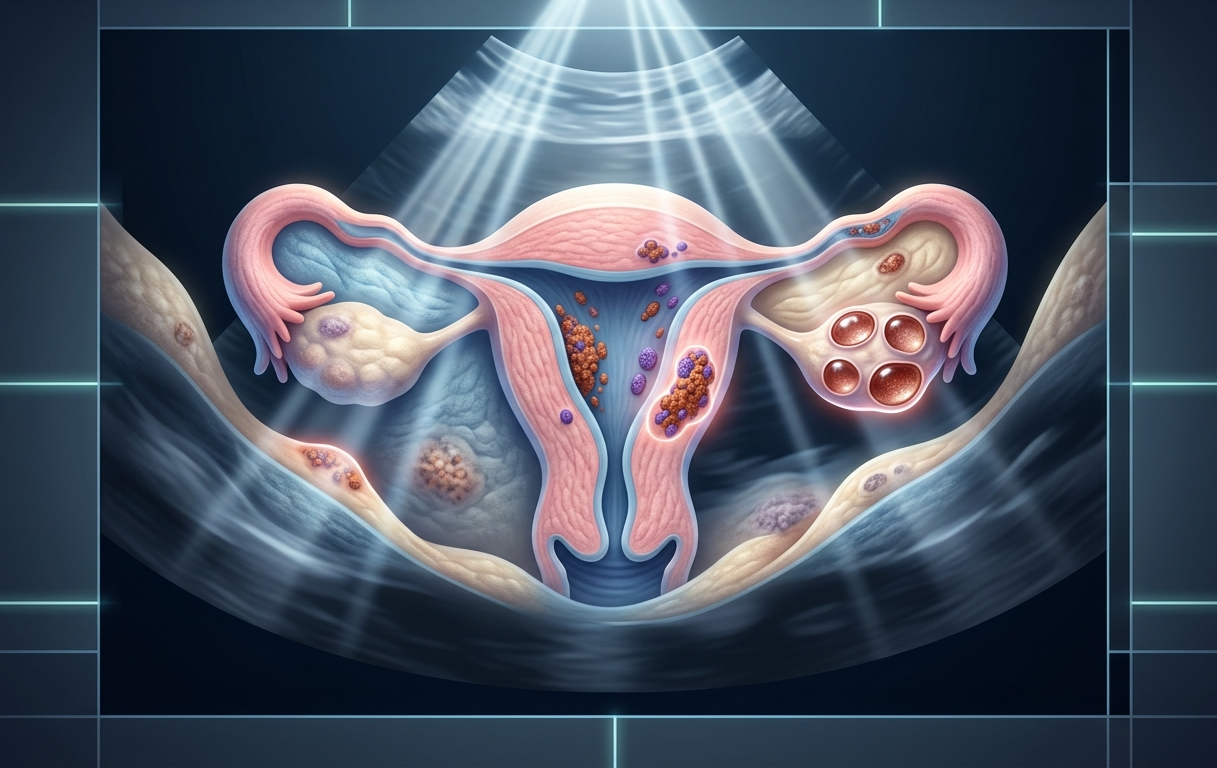
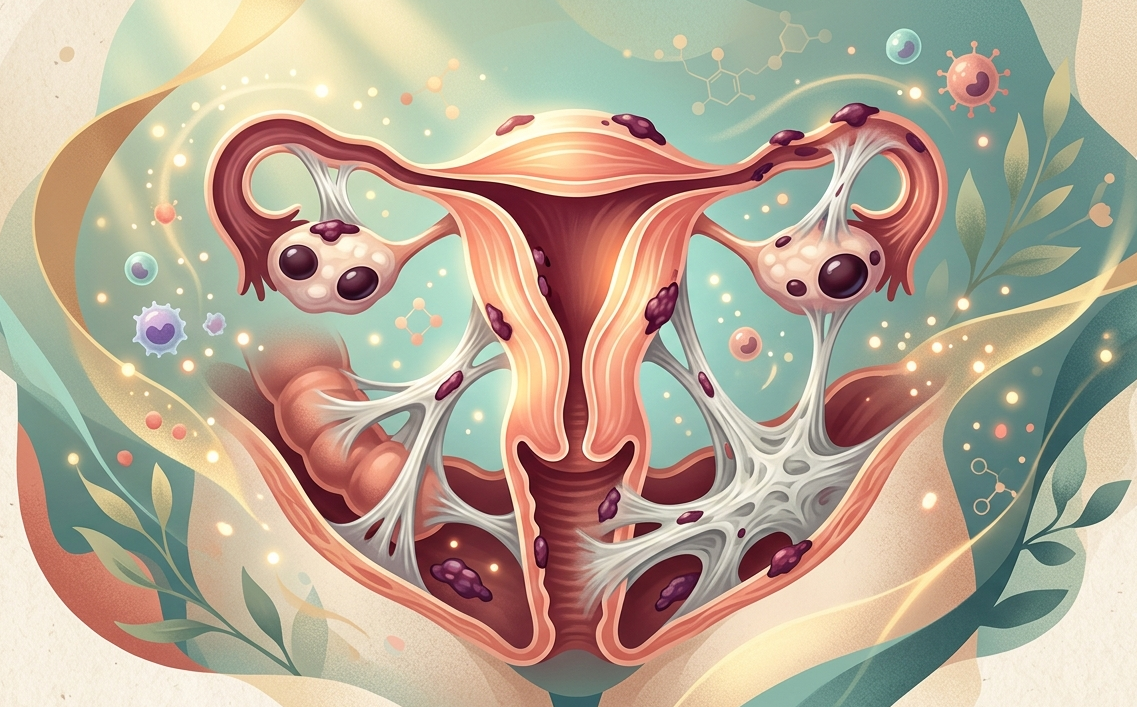
Many females are diagnosed for infertility while the root cause is an autoimmune disease. When a woman experiences recurrent miscarriages or is having difficulty conceiving it is often assumed to be related to the quality of eggs, condition of the ovaries or hormonal abnormalities— autoimmune disorders affecting fertility are sometimes overlooked. Women are significantly affected with overactive or misdirected immune responses that quietly work against their reproductive health — and it often goes undetected for years.
How autoimmune conditions impact conception?
In an autoimmune disorder the body’s immune system fights against its own cells. The process of conception and pregnancy is regulated by a well balanced immune system. As the embryo consists of foreign material; the father’s DNA, an overactive or dysregulated immune response may interfere with implantation and early pregnancy—leading to failed conception or recurrent miscarriages. In severe cases of autoimmune disorders, autoimmune processes may affect ovarian or endometrial function.
Here are some common examples of autoimmune diseases that can cause infertility:
- Hashimoto’s thyroiditis
- Antiphospholipid Syndrome (APS)
- Celiac disease
- Systemic Lupus Erythematosus (SLE)
Diagnosis of infertility caused by immune issues
At Njinsky IVF & Fertility Clinic, our consultants ensure they rule out all factors affecting reproductive health. The initial step to diagnosing any disorder is a detailed history and examination— if the history involves recurrent failure of IVF cycles or miscarriages it strongly raises suspicion of an autoimmune condition. Some specific tests for autoimmune diseases include testing for antinuclear antibodies, antiphospholipid antibody testing,and thyroid antibody testing (TPO-Ab and TG-Ab).
Treatment options for immune-related infertility
When an autoimmune disease is identified as a contributing factor to infertility, careful management and appropriate counselling by the fertility specialist are essential for effective infertility treatment. The couple should be counselled regarding all risks that are associated with the management of the autoimmune disease.Although autoimmune diseases are more commonly seen in women, particularly during the reproductive years. Male infertility treatments may also be relevant— recent studies have shown that certain autoimmune conditions produce anti-sperm antibodies that reduce sperm count, reduce motility of sperm and deteriorate overall sperm health.
Female infertility treatments include hormones for ovulation induction— the eggs released can then be used in the IVF process. For severe cases of autoimmune diseases. In select cases, immunosuppressive therapy may be considered. Immunosuppressants should be carefully administered because immunosuppressant like methotrexate and mycophenolate mofetil are teratogenic and should be discontinued before conception—hydroxychloroquine and low-dose corticosteroids can be safely used if needed at the time of early pregnancy.
To conclude it is important to understand that autoimmune diseases can be a cause of infertility and proper investigations are required. Fertility experts should treat couples suffering from autoimmune diseases with care during the treatment. Couples should be counselled well regarding their condition and the treatment including all the risks. Medications like immunosuppressants should be used with great caution. At Njinsky IVF & Fertility Clinic,we prioritize patient safety and provide detailed counselling throughout the treatment process. Our clinic is committed to evidence-based fertility care, individualized treatment plans, and a compassionate approach to couples facing infertility challenges. We ensure thorough evaluation, ethical practice, and multidisciplinary support to optimize reproductive outcomes.