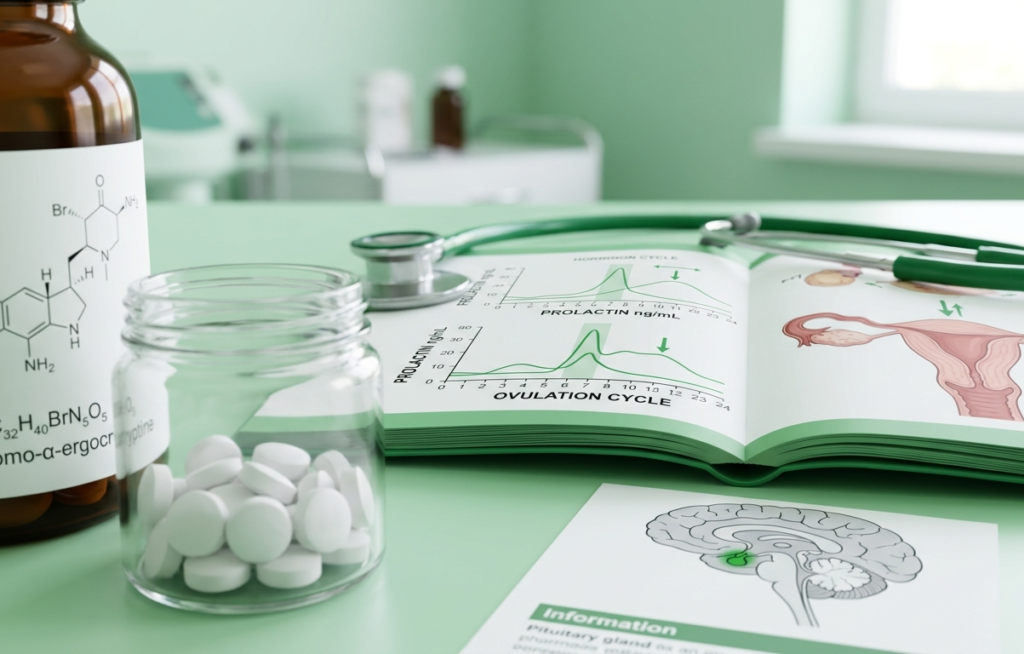
Bromocriptine is derived from ergot alkaloids–it is a dopamine receptor agonist that mimics dopamine in the brain. It works by binding D2 receptors on the lactotroph cells in the pituitary gland hence suppressing excess production of prolactin.
Understanding the Physiology behind Prolactin Levels and Pregnancy
Prolactin is a hormone which is released from the pituitary gland. Normally excess prolactin is required during pregnancy for milk production— this is a completely normal physiological process. However, when prolactin levels are high outside of pregnancy it is called hyperprolactinemia—this disrupts the entire reproductive axis.
Excess prolactin levels in the blood cause GnRH suppression from the hypothalamus. This results in low levels of LH and FSH. This causes poor follicular development— disrupting ovulation hence irregular or absent periods. Even if ovulation does occur it impairs corpus luteum, low levels of progesterone and no implantation.
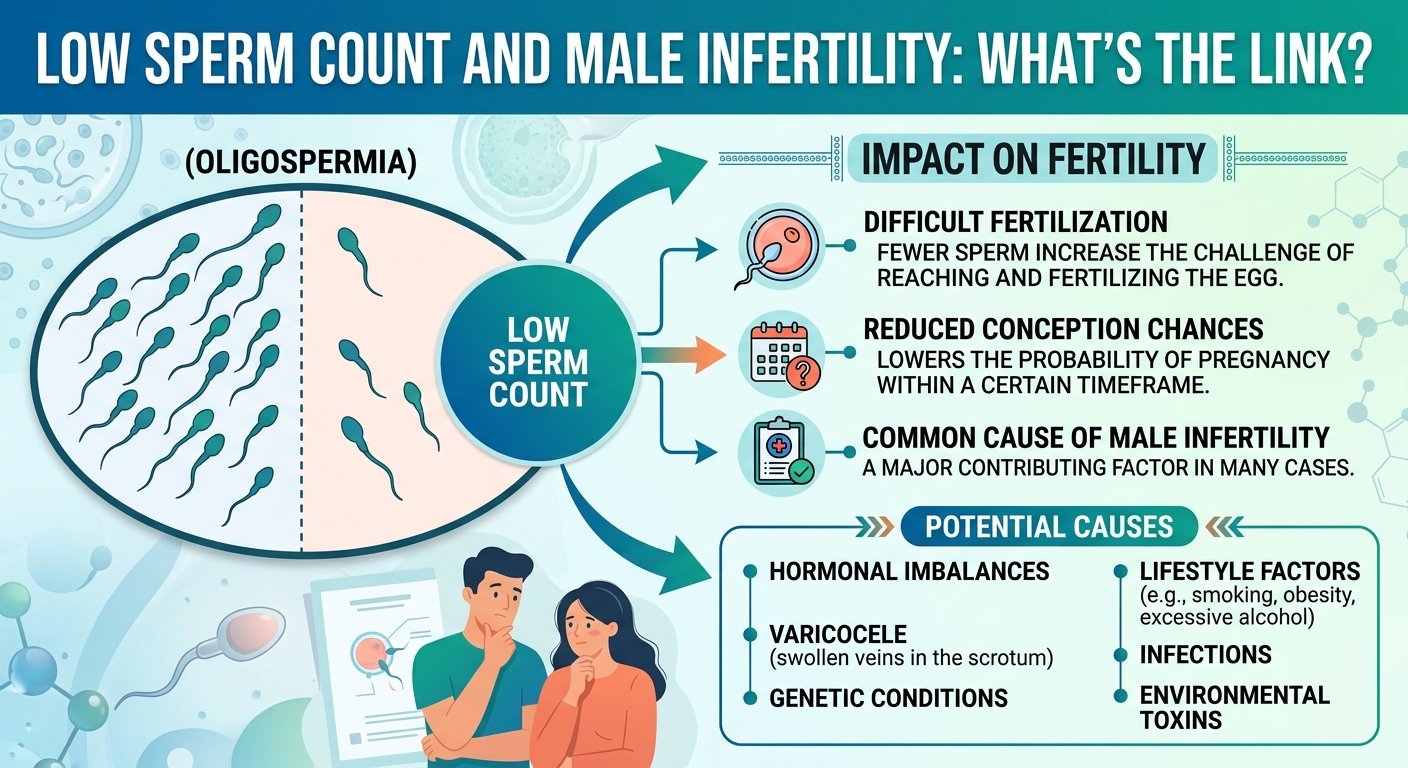
In men it decreases levels of testosterone– decreasing sperm production and causing sexual dysfunction.
The good news for patients suffering hyperprolactinemia is that it can be easily treated with prolactin- lowering drugs.
Common Causes of Hyperprolactinemia Include:
Prolactinoma (a benign pituitary tumor) — the most frequent pathological cause
Medications: antipsychotics, metoclopramide, domperidone, some antidepressants
Hypothyroidism (TRH stimulates prolactin release)
Chronic renal or hepatic failure
Chest wall stimulation or stress
Idiopathic
Hormone Therapy for Fertility Issues: How Bromocriptine Fits In
Bromocriptine mimics the function of dopamine— suppressing excess prolactin secretion. Once the prolactin levels return to normal— the entire HPG (hypothalamic-pituitary-gonadal) axis reactivates. The GnRH pulses resume causing the LH and FSH to rise, resulting in the follicles to develop– ovulation returns. Ovulation restoration is common, and pregnancy rates improve substantially;however, infertility may persist due to other underlying factors.
In men testosterone production recovers and spermatogenesis improves.
Fertility Medications and Success Rates
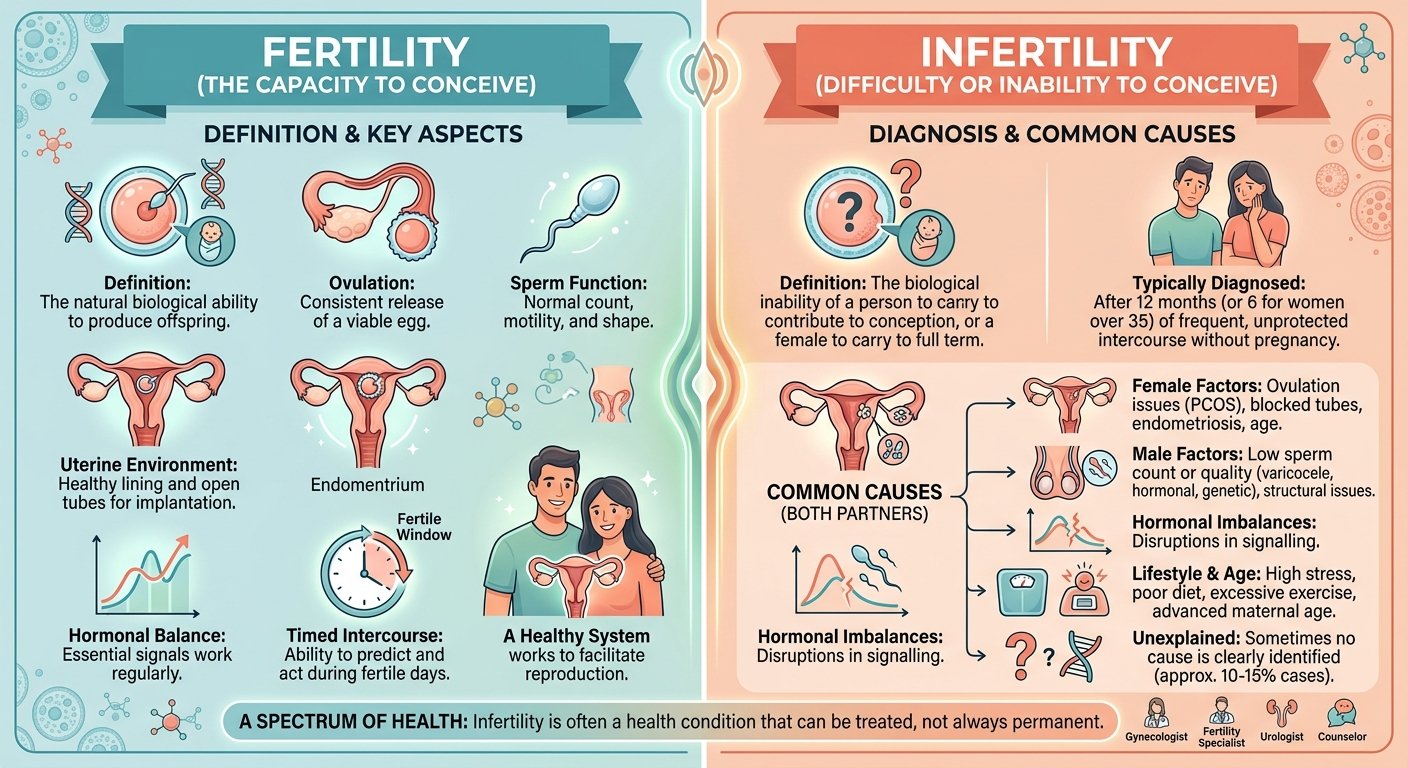
Medications for infertility treatment have come a long way. What was once considered a problem with few medical solutions has, over the past five decades, become one of the most responsive areas of modern medicine. Hormonal imbalances, irregular ovulation, poor sperm production — these are no longer dead ends. Pharmacological therapy is now central to both female infertility treatment and male infertility treatment — not as a last resort, but as a genuine first line of hope for many couples. For women, it is almost hard to overstate what the right medication can do. Bromocriptine brings back ovulation in women who have not had a regular cycle in years. Clomiphene nudges the body into producing follicles it had stopped producing on its own. Gonadotropins take things a step further, directly stimulating the ovaries when subtler approaches are not enough. The uterine lining, the hormonal timing, the ovulatory trigger — all of it can be guided, supported, and corrected with the right pharmacological approach. For men, the conversation looks different but the principle is the same. A man whose prolactin is too high, whose testosterone has quietly dropped, whose sperm count has been declining without obvious explanation — these are not hopeless situations. Targeted medications can turn those numbers around, sometimes dramatically. So while the medications differ and the biology is different, female and male infertility treatments share the same underlying ambition: give the body back what it has lost, and let nature take it from there.
Njinsky IVF & Fertility Clinic
At Njinsky, the best IVF and fertility clinic in Lahore, our doctors take their time to understand your condition. With detailed history, examination and blood tests they can easily identify the root cause of infertility. If ovulation is disrupted due to high prolactin levels, it can easily be managed by prolactin- lowering drugs. However, if infertility still persists after normal prolactin levels further investigations may be required along with advanced treatments. Njinsky IVF & Fertility Clinic is equipped with modern technology for assisted reproductive techniques such as IVF, IUI and ICSI. These procedures help patients to achieve parenthood if they are unable to achieve pregnancy naturally. Njinsky brings hope and new beginnings.