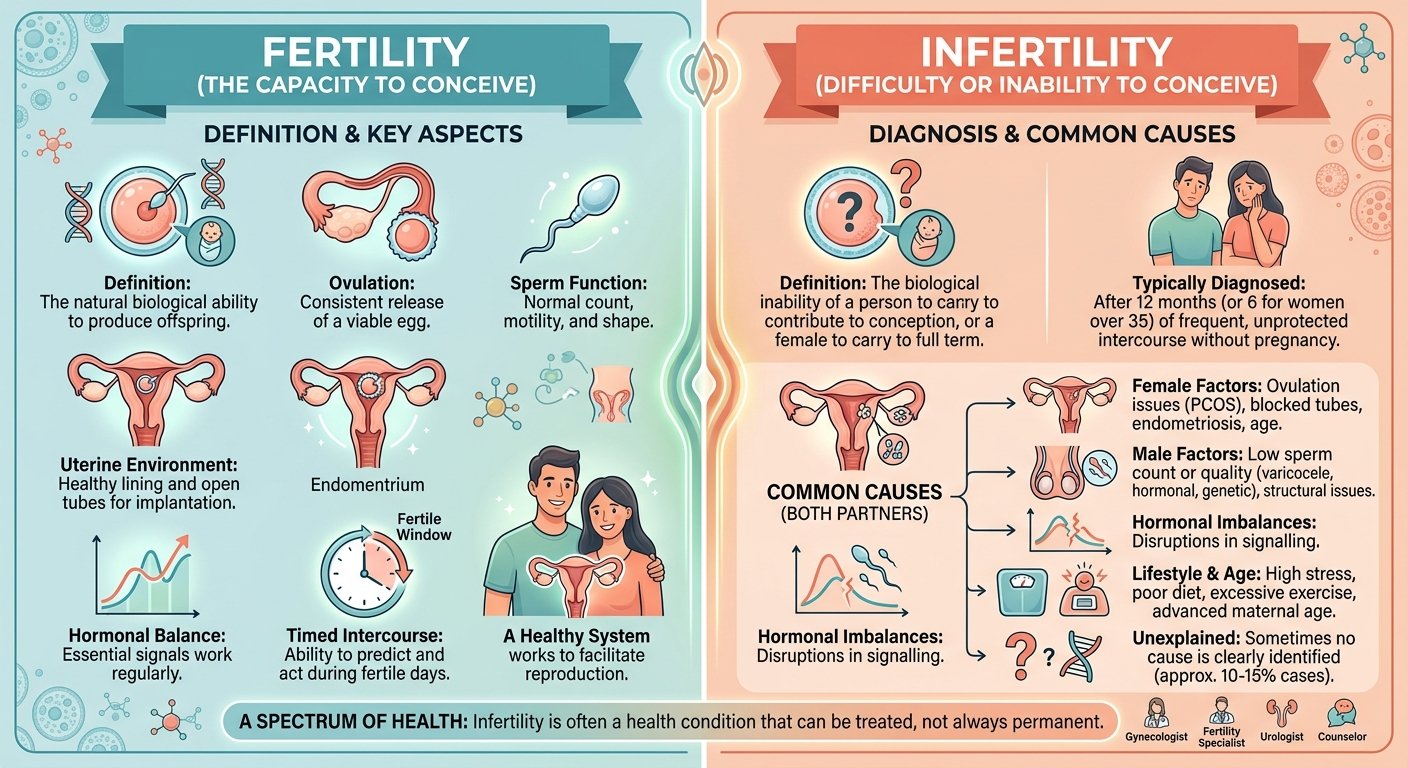
When couples are looking for answers for infertility, they usually think it is because of age, sperm/egg quality or hormones. However,the relationship between sexually transmitted infections and fertility is one of the most important yet underappreciated areas of reproductive medicine. STIs or sexually transmitted infections— most common being chlamydia— is one of the preventable causes of infertility.
Chlamydia and Reproductive Health
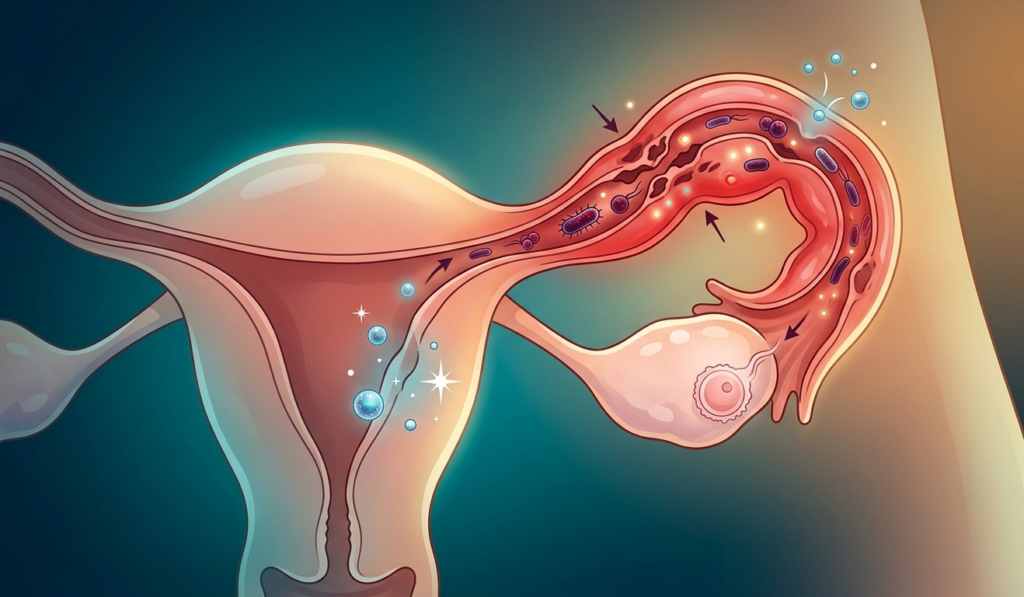
Chlamydia—one of the common STIs causing infertility. When chlamydia goes untreated in women, it doesn’t stay where it lands. It moves silently from the cervix upward into the uterus and eventually into the fallopian tubes. Most women feel nothing during this entire process. No pain, no signal, no reason to suspect anything is wrong.
Once it reaches the tubes, it may trigger pelvic inflammatory disease (PID). The body detects the infection and launches an immune response — but in doing so, it causes inflammation, scarring, and adhesions in the very tissue it’s trying to defend. It’s the body trying to help, and inadvertently causing the damage itself.
Those scars don’t heal the way a cut on skin does. They stay. And they change the fallopian tubes permanently — tubes whose entire job is to carry an egg from the ovary to the uterus. A woman can have perfectly healthy ovaries, good egg quality and normal hormone levels— and still not conceive because the egg has no clear path to travel. Fertilisation requires the egg and sperm to meet .Severe tubal damage can block or destroy that pathway entirely, making the meeting impossible— structural harm that is quiet, invisible, and by the time it is discovered, often already done.
Beyond blocked tubes, the downstream risks include:
Ectopic pregnancy: a fertilised egg trapped in a damaged tube, which is a life-threatening emergency
Uterine inflammation: could be a consequence of untreated infection. It can disrupt the implantation process and may result in recurrent pregnancy loss.
Chronic pelvic pain: persisting long after the infection itself has resolved
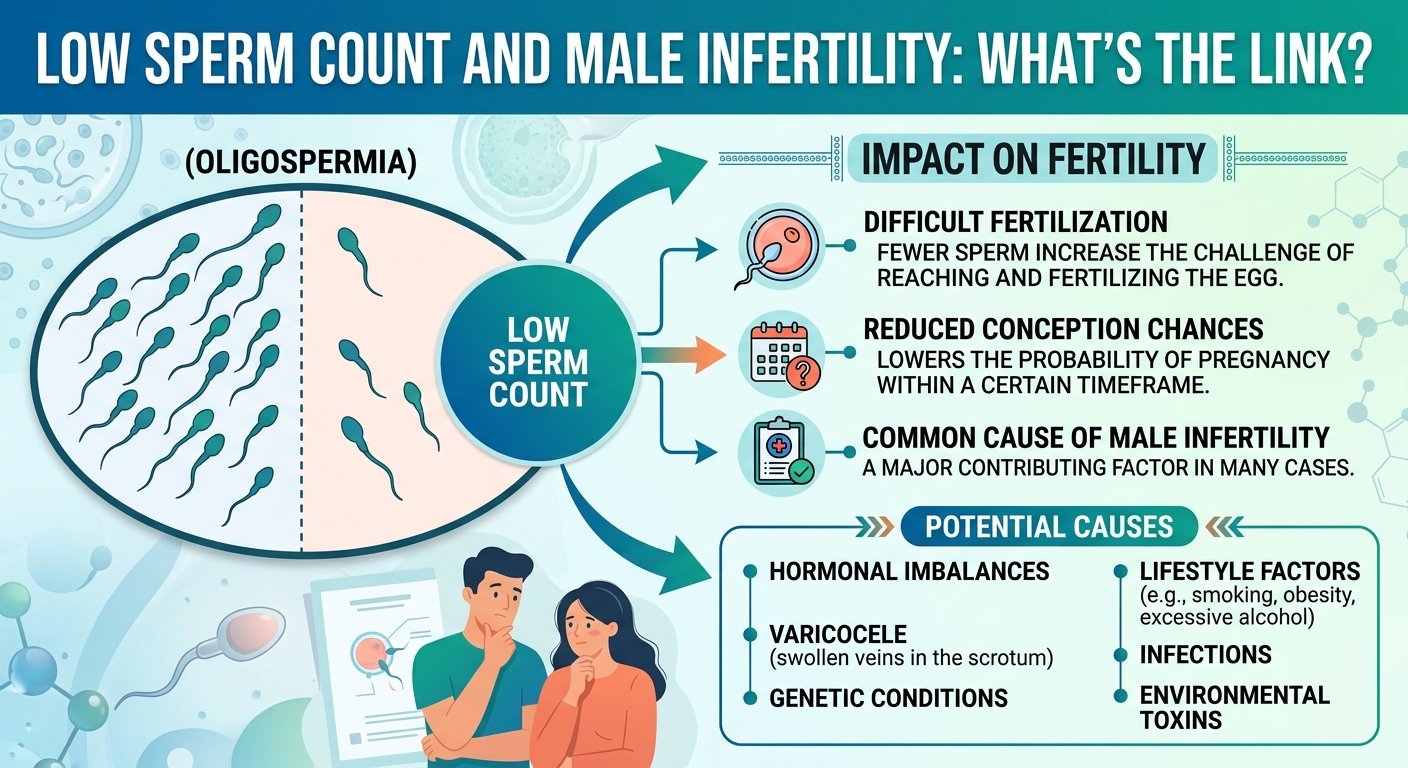
In men, untreated chlamydia causes epididymitis—inflammation of the coiled tube behind each testicle that is responsible for maturing and transporting sperm. Chronic epididymitis can scar that pathway, reduce sperm count, and in serious cases, create complete obstructions. Male fertility is not spared from this infection — it is just discussed far less.It is important for both men and women to get diagnosis and treatment of infection-related infertility.
How to Prevent Chlamydia?
Here are some precautions that can be taken to prevent one from getting infected from chlamydia or other sexually transmitted diseases:
- Getting routine tests done for sexually transmitted diseases.
- Using barriers such as condoms during sexual intercouse.
- Communication with your sexual partner before intercourse would help you take precautions if there is history of any STDs.
- Immediate treatment on exposure after testing— treatment of chlamydia responds to short-term antibiotic therapy.
It is important to understand the fact that chlamydia is simply a bacterial infection. Most people in many communities consider it as a character flaw— as people related it with a person being sexually active. However, it is important to educate ourselves and get the right treatment as soon as possible and have an open communication about it with your partner.
When Damage Has Already Occurred: Diagnosis and Treatment
At Njinsky IVF & Fertility Clinic doctors take their time to understand your history and run a series of investigations to identify the cause of infertility. This usually involves screening for STDs— especially if you have been trying to get pregnant for a year or more.
The diagnosis and treatment of infection-related infertility is systematic, but it’s also deeply personal. Here’s what it typically involves.
The first step is finding out whether chlamydia was ever part of the story before starting female infertility treatment. Chlamydia antibody testing can offer a window into past infection, helping clinicians assess the likelihood of tubal disease in those with unexplained fertility challenges — though its use remains inconsistent, and like all tests, it comes with limitations.. From there, an HSG (hysterosalpingography) uses contrast dye to show whether the fallopian tubes are open or blocked, and a laparoscopy allows a surgeon to look directly at the pelvis and treat any adhesions they find in the same procedure. Male infertility treatment usually begins with a comprehensive semen analysis — including DNA fragmentation testing where infection is suspected — rounds out the picture. Once the extent of the damage is understood, treatment follows.
For women, it depends on how much scarring has built up. If it’s mild to moderate, laparoscopic surgery in selected cases can remove the adhesions and give the tubes a genuine chance to function again — and for many women, natural conception follows. When the damage is more extensive, that door may be closed, but another opens: IVF. It’s not the journey anyone plans for, but it works by going around the problem entirely — eggs retrieved directly from the ovaries, fertilised in a lab, embryos placed straight into the uterus. Treatment may also involve hormonal protocols to optimise egg production and a thorough assessment of the uterine lining. Before fertility treatment begins, any residual infection must be fully addressed — active infection can compromise treatment outcomes and should never be overlooked in the process.
For men, the starting point is understanding exactly what the infection damages. If there’s a blockage in the epididymis, sperm can still be retrieved surgically — through procedures like PESA or TESA — and used with ICSI to fertilise eggs during an IVF cycle.
Here is something worth saying plainly: both partners need to be assessed. At Njinsky, the top-notch IVF center in Lahore, we ensure that both partners are tested to identify the root cause of infertility.
The Bottom Line
Chlamydia can cause infertility. But in the vast majority of cases, it only does so because it went undetected and untreated for too long. If damage has already occurred, infertility treatments offer more options than ever before at Njinsky IVF & Fertility Clinic. People with significant STDs-related reproductive damage are having biological children through assisted reproduction every day.