Uterine fibroids are one of the most common conditions in women of reproductive age. Most of the time, they cause no symptoms and no fertility issues whatsoever. However, sometimes they can cause some alarming symptoms such as severe pelvic pain or heavy bleeding—even infertility. The key understanding is to deal with them accordingly— depending on age, size of fibroid and family planning. Not all fibroids are associated with infertility; the effect largely depends on their location and impact on the uterine cavity.
So what exactly are Uterine Fibroids?
Fibroids are known as non-cancerous smooth muscle growth of the uterus. They are known as “leiomyomas” or “myomas” in medical terms. Small fibroids usually cause no symptoms and may not be detected on ultrasound. However, large fibroids distort the uterus often causing symptoms.
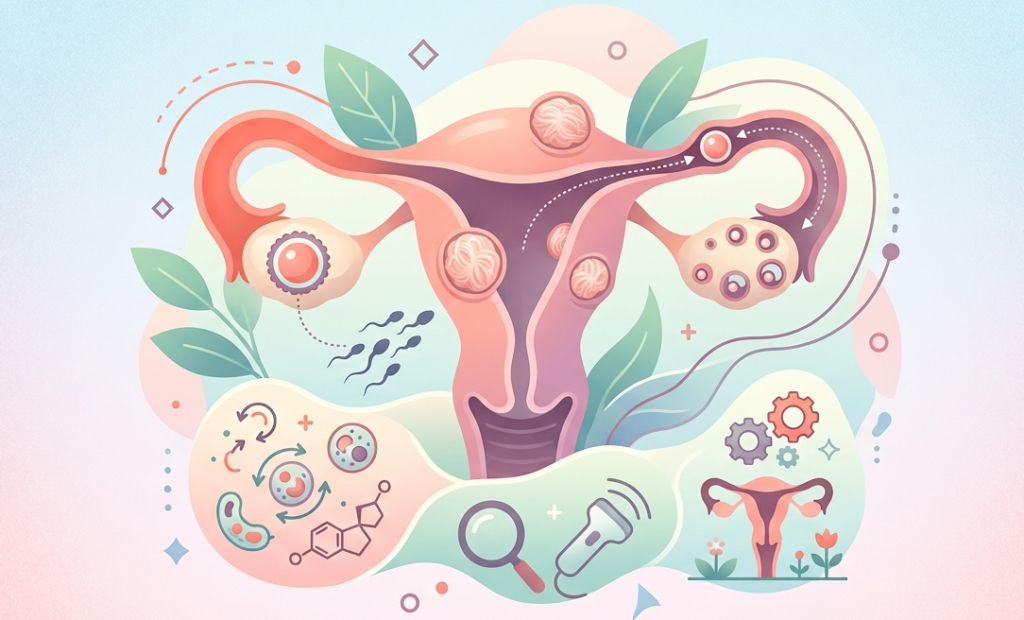
What makes uterine fibroids and fertility issues tricky to untangle is the location of the fibroids. A fibroid on the outside of the uterus behaves very differently from one that grows into the uterine cavity. Doctors classify them into three main types based on location:
Grow into the uterine cavity. Most strongly associated with infertility and miscarriage and often interfere with embryo implantation and pregnancy.
Grow within the uterine wall. May affect fertility when large, but smaller ones often don’t.
Grow on the outer surface of the uterus. Rarely interfere with conception or implantation.
Effects of Fibroids on Conception
They can distort the uterine cavity
In order for the implantation to take place— the uterine lining needs to be smooth. However, fibroids—especially submucosal — cause a bulge in the uterine cavity. This distorts the implantation process and may reduce implantation and increase miscarriage risk.
They can block the fallopian tubes
It is less common but easy to miss. The fallopian tubes connect to the uterus at two narrow points called the cornua. A fibroid growing close to either of those junctions can quietly block the opening. As a result, Sperm cannot reach the egg and no fertilization takes place. This becomes a very confusing situation if not diagnosed because your periods and hormonal profile appears to be completely normal. But no conception occurs.
They alter the local environment
Beyond the physical, fibroids may change the hormonal and inflammatory environment inside the uterus. Some research suggests that they may alter uterine contractility — another indirect effect of fibroids on conception — which can affect how sperm travel and whether an embryo survives early implantation.
They affect blood flow to the lining
Larger fibroids can effectively interfere with normal blood flow. A poorly nourished lining is less hospitable to implantation — think of it like trying to plant something in dry soil.
They raise miscarriage risk
Even when conception does occur, submucosal fibroids in particular are associated with a higher rate of first-trimester loss. This is one of the reasons doctors take them seriously even in women who do conceive naturally.
Diagnosis of Infertility due to Fibroids at Njinsky IVF & Fertility Clinic
When you come to see us, the process starts with a conversation — not a scan. Our consultant gynaecologist will sit with you and take a detailed history, because the symptoms you’ve been living with often tell us more than any machine can.
The complaints we’re listening for:
- Periods that are so heavy— soaking through protection faster than they should.
- Prolonged bleeding for more than 7 days.
- Persistent dull ache or sense of pressure in the pelvis
- Pain during intercourse
- Recurrent miscarriages
Investigation begins with a simple pelvic ultrasound. This gives us an idea if any pelvic abnormalities are present and may also help in detecting large size fibroids. When a submucosal fibroid is suspected— doctors usually opt for a sonohysterogram, which gives a clearer picture. If a detailed imaging technique is required MRI is the best choice. Due to advancement in technology hysteroscopy is also a choice; this isn’t just a diagnostic tool but therapeutic as well. In this procedure a tiny camera passes through the cervix and if a submucosal fibroid is detected it can be usually removed at that time itself.
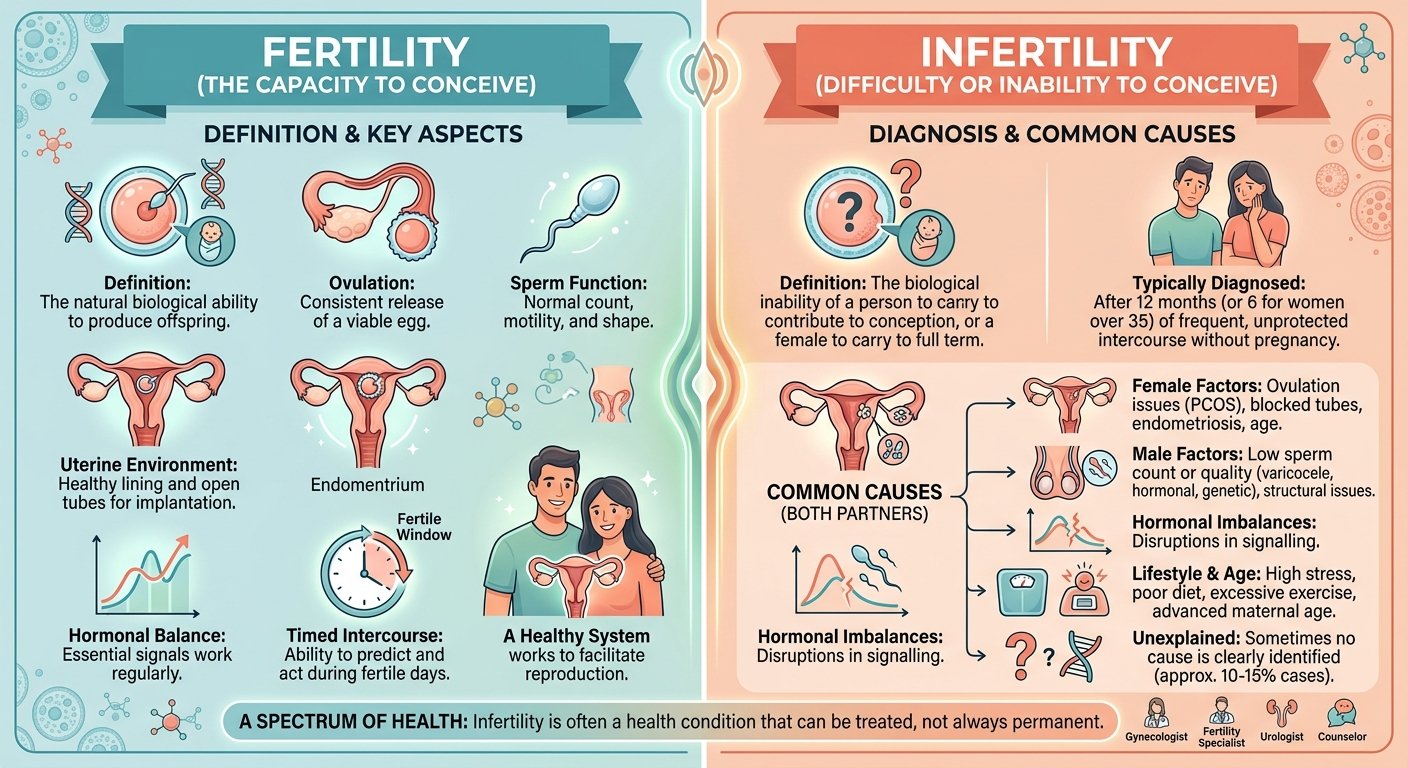
One thing we’re always careful about: fibroids rarely act alone. So while we’re investigating them, we’re also ruling out other reasons conception might not be happening — whether that’s an ovulation problem, a tubal blockage, or a male factor problem. Missing a contributing factor is how couples end up going in circles for years.
Treatment Options for Fibroid-related Fertility Problems
Fibroids are treated according to their size, location and symptoms they are causing. While testing fibroids for infertility it is crucial to rule out other causes of infertility and provide treatment accordingly.
Here’s how we generally deal with fibroids at Njinsky:
Myomectomy is the gold standard for women who want to preserve their uterus and are planning a family. Submucosal fibroids are typically removed hysteroscopically — through the cervix. Larger intramural or subserosal fibroids may require laparoscopic or open surgery depending on the size. After the procedure, we usually encourage patients to try conceiving within 12 to 18 months (timing is individualized based on age, fertility status, and surgical findings), because fibroids can return and we want to give you the best window.
Hormonal medications —GnRH agonists in particular—can shrink fibroids and make surgery technically easier, but they’re a preparation tool, not a solution. Once you stop taking them, the fibroids typically come back. We don’t use them as a standalone fertility treatment.
Uterine fibroid embolization (UFE) is effective for women who are done with childbearing and want to avoid surgery. For women still hoping to conceive, we generally steer away from it— cutting off blood supply to the fibroid can sometimes affect blood flow to the wider uterus, and that’s a risk we don’t take lightly when fertility is the goal.
Watchful waiting is genuinely underrated. If your fibroids are small, sitting outside the cavity, and not causing you symptoms, doing nothing is a completely reasonable medical choice. Not every fibroid needs a procedure. Sometimes the most useful thing we can do is monitor, reassure, and intervene only if the picture changes.
Looking at the Bigger Picture — Infertility Treatment for Both Partners
Here’s something that doesn’t get said enough: when a couple is having difficulty conceiving, the investigation needs to cover both people — from the very beginning, not as an afterthought.
For female infertility treatment, when fibroids are identified as a likely factor, treatment usually starts there. We address the fibroid first—through surgery or hormonal preparation —and then reassess. If natural conception is not taking place, we move into assisted reproduction: IUI, IVF, or ICSI.
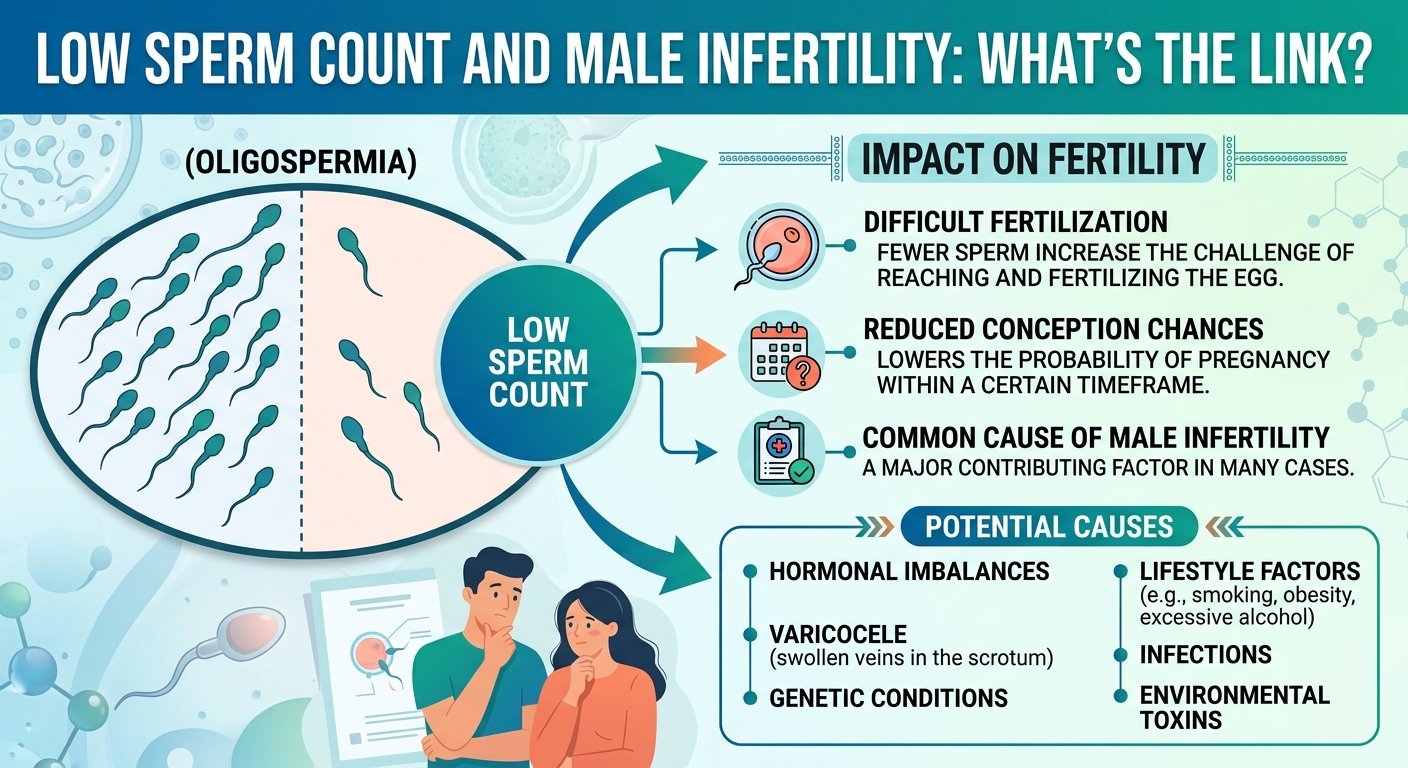
At the same time, we’ll want a full semen analysis done early. Male factors— sperm count, motility, morphology— account for a meaningful share of fertility difficulties and may require male infertility treatment. It would be a disservice to spend months focused on fibroids while something on the male side goes unchecked. A good infertility treatment plan looks at both partners together, rules things out systematically, and doesn’t let assumptions fill the gaps
If you’ve had fibroids removed and still aren’t conceiving after six to twelve months of trying, it’s worth revisiting the full fertility workup rather than assuming the fibroids are still the problem. Our doctors at Njinsky IVF & Fertility Clinic take their time to explain to you your results and treatment thoroughly— they make sure to start your infertility treatment with an informed consent.