One of the common misconceptions about infertility among women is: “If I use contraceptives now, will I be able to conceive later?”. The answer is simple — no, contraceptives do not cause long-term or permanent infertility. Most women are able to conceive within 3 months of stopping contraceptives.
Contraception and Fertility Myths
In many Asian countries, there is a strong cultural stigma regarding contraceptives. It is believed that contraceptives lead to infertility.This also happens as women might use contraceptives in their 20s and plan pregnancy in their late 30s or 40s- ovarian reserve naturally declines after the age of 35 . However, it is important to educate ourselves and women around us about returning fertility after contraception regardless of the method used. Whether it’s oral contraceptive pills, injections, implants or IUDs- fertility returns to normal once the method is stopped or removed.
Effects of Birth Control on Fertility
The effect of birth control is temporary. However, different contraceptives work in different ways. Let’s look into how different contraceptives prevent pregnancy.
- Oral contraceptives- These prevent pregnancy by regulating hormones.
Ovulation typically resumes within a few weeks after stopping. Women typically regain a regular menstrual cycle within a few months and are often able to conceive within 1–3 months thereafter.
- Contraceptive Injections (Depo Shot)- they suppress ovulation for 3 months after a single shot.
Fertility may take longer to return to normal after Depo-Provera injections, but this does not cause permanent infertility.. Fertility takes around 6-12 months to return to normal.
- Intrauterine Devices (IUDs)- The two main types of IUDs are copper and hormonal IUD.
- The Copper IUD creates an inflammatory response in the uterus preventing the sperm from reaching the egg. Without affecting the ovulation process.
- The hormonal IUD thickens cervical mucus, making it difficult for sperm to reach the egg. It also thins the lining of the uterus, reducing the chance of implantation if fertilization occurs.
Fertility returns to normal as the IUD is removed.
- Contraceptive implants- They are inserted under the skin of the upper arm. They release a slow, steady dose of synthetic progesterone hormone. It works by suppressing ovulation, thickening cervical mucus and thinning the uterus lining making it less suitable for implantation.
They can be used for contraception for up to 3 years. Fertility returns to normal as the implant is removed.
To conclude, none of the methods of contraception affect ovarian reserve, quality of egg, or permanent hormonal imbalance.
Causes of Delayed Conception
If fertility does not occur despite stopping the use of contraceptives, it is important to rule out the cause. At Njinsky IVF & Fertility Clinic our doctors help you identify the cause of your infertility. Evaluation usually involves a detailed history and examination of both the partners, followed by a series of ultrasounds and blood tests. We also guide our patients how contraceptives are not the cause of your infertility.
Here are a few common causes that actually affect fertility.
- Advanced maternal age
- Poor egg quality
- Depleted ovarian reserve
- Male factors such as low sperm count, poor sperm motility or morphology.
- Blocked sperm ducts
- Ovulatory disorders
- Uterine abnormalities
- Blocked fallopian tubes
Treating Infertility
Infertility treatment is provided by addressing the cause of infertility and has nothing to do with history of contraception use. If pregnancy is delayed right after stopping contraceptives the reason for delay might be a temporary hormonal adjustment or an underlying infertility issue. Female infertility treatment may include medications for ovulation induction such as letrozole or clomiphene. If patients are suffering from hormonal imbalances such as abnormal thyroid or prolactin levels they might be treated with lifestyle modifications along with medications. Structural abnormalities are treated with minor surgical procedures. Treatment plans are designed according to the condition that is causing infertility.
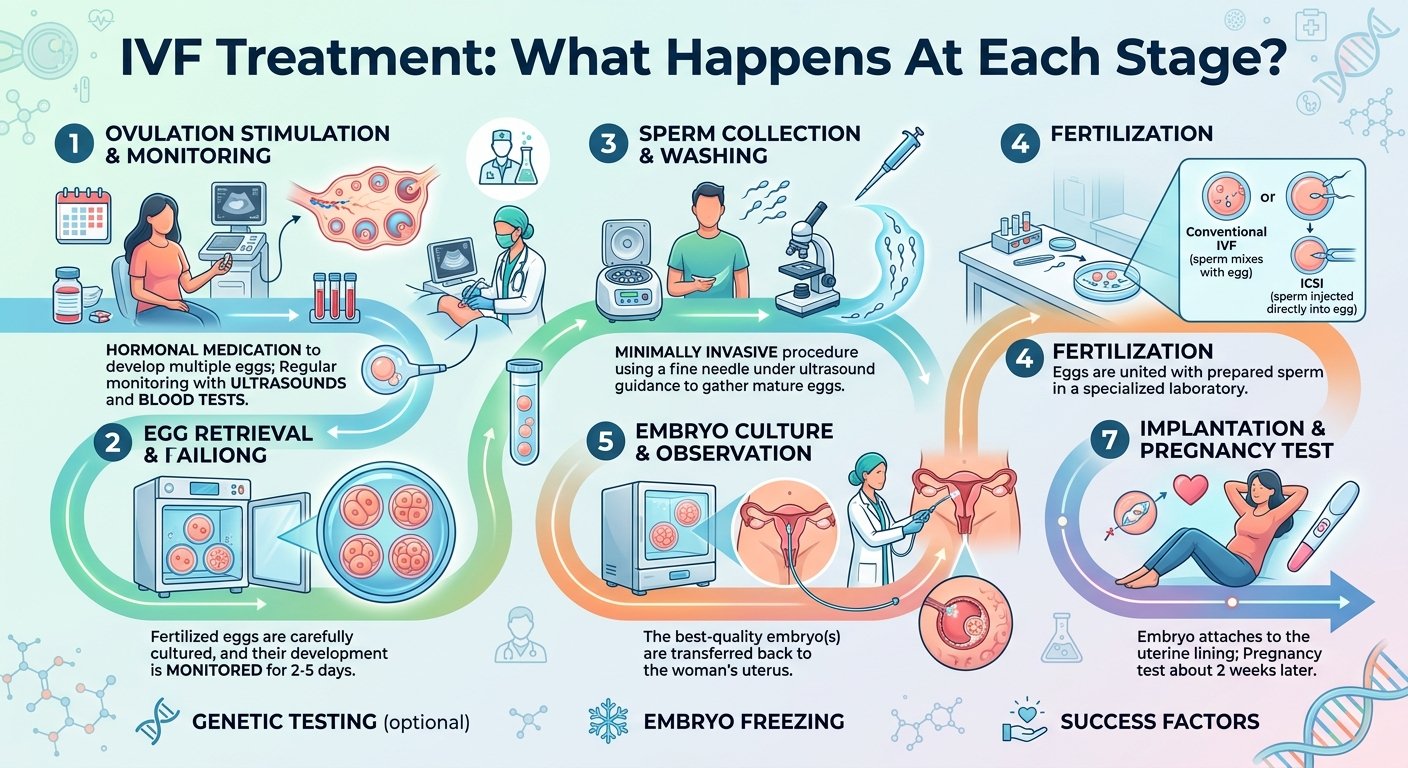
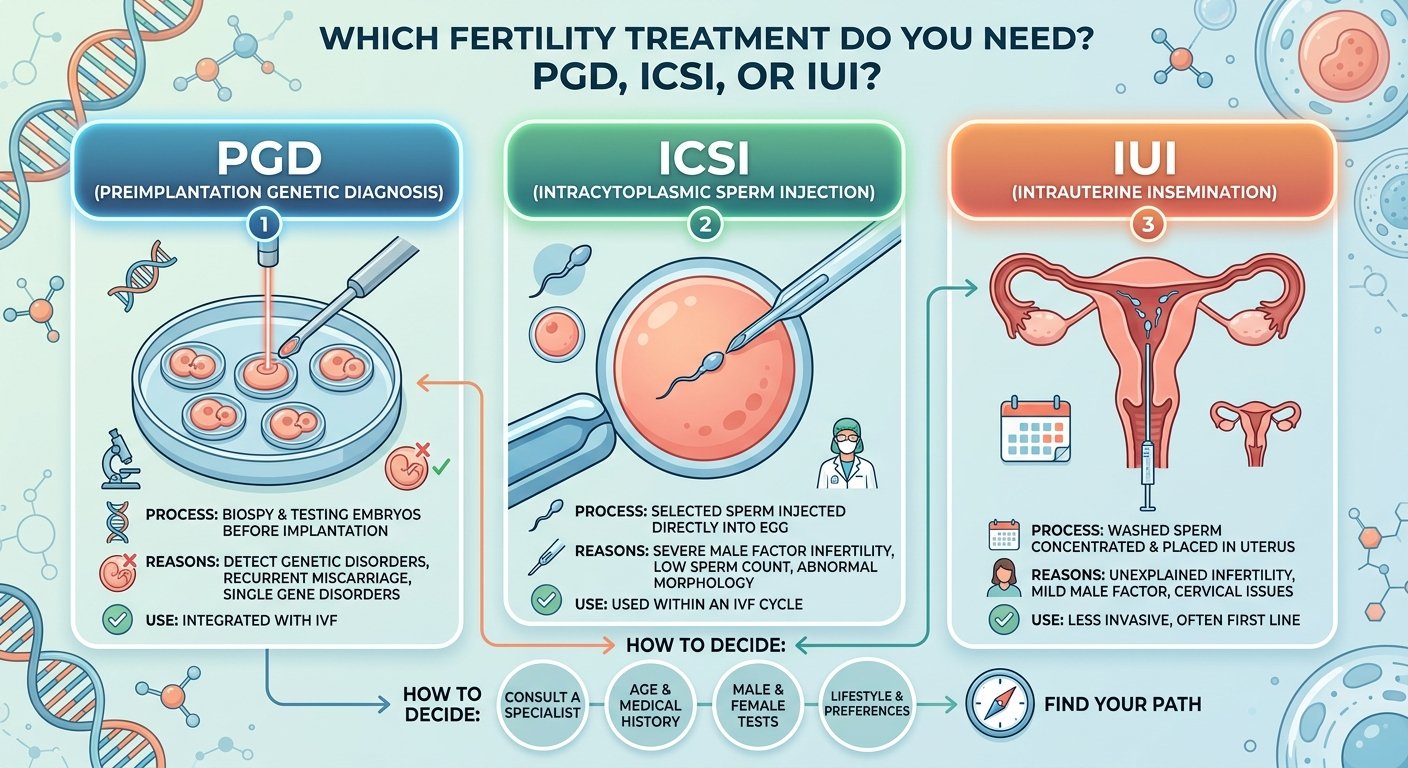
Male infertility treatment involves treating the defect that is causing low sperm count or motility. This may involve a surgery for varicocele. If multiple treatments fail, Njinsky IVF & Fertility Clinic also provides IVF, IUI and ICSI.
At Njinsky, the best IVF and fertility center in Lahore, our doctors counsel patients who have concerns about infertility following contraceptive use. We also provide guidance about which contraceptive is most effective for you and have short term effects if you are planning a pregnancy sooner. If you have a history of use of contraceptives and think it is the reason for your infertility, we help you rule out the cause and provide an effective treatment plan to help you achieve your desired goal.