What should be taken into account in order to preserve the likelihood of biological children?
For individuals who wish to delay motherhood or those who desire to know their reproductive abilities before performing specialized medical treatment, fertility preservation serves as a key to various other alternatives. Preserving eggs, sperm, and embryos for potential future use could be part of a standard procedure that can be utilized in future treatment.
It is sometimes crucial to understand that a medical condition or its treatment process can result in a significant impact on fertility. Fertility management permits people to contemplate other possibilities prior to a change in the situation of their case, even though it cannot ensure a potential pregnancy.
Methods to Preserve Fertility: Preserving Eggs and Embryos
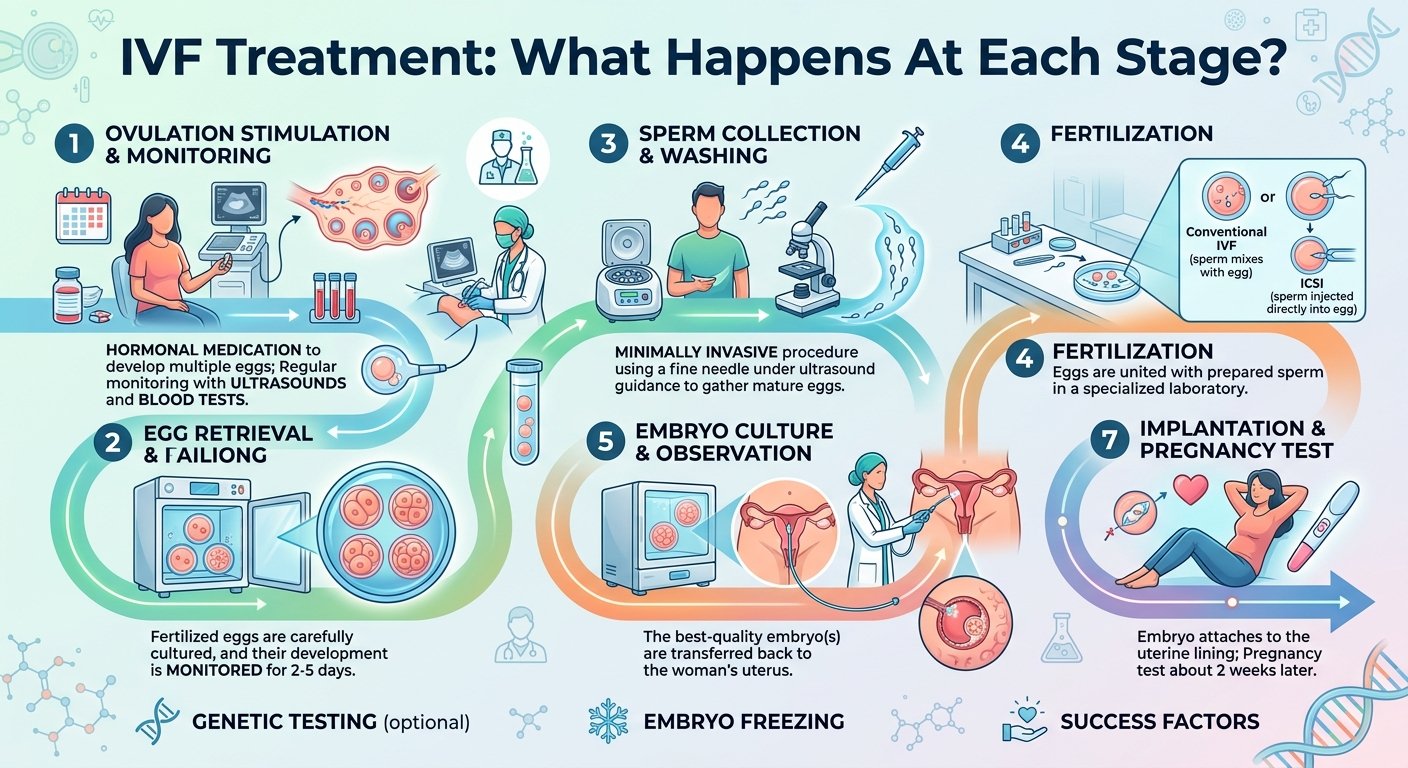
The primary objective of both embryo freezing and egg freezing is to safeguard future fertility prospects, but there is one important difference between the two: whether or not fertilization has happened.
The methodology of egg freezing includes removing matured eggs from the female reproductive organs, i.e., the ovaries, while keeping them unfertilized. People who are interested in keeping their eggs safe before selecting which sperm will ultimately be used later on could find this valuable.
Embryo freezing is the technique of acquiring eggs along with sperm in the lab, commonly through in vitro fertilization (IVF), and then preserving the resulting embryos in order to use them in the future.
The possibility of becoming pregnant in the future could potentially be impacted by the age at freezing, the quality and quantity of the eggs and other health-related factors. It’s critical to discuss realistic expectations with your fertility consultant, since neither procedure guarantees a baby.
Freezing of Sperm and Other Techniques to Preserve Male Fertility
Women are not the only ones who have the means to preserve their fertility. Men can additionally be concerned about conserving their fertility possibilities, specifically prior to medical processes or treatments that could potentially have a significant impact on the production of sperm.
Sperm freezing, commonly referred to as sperm cryopreservation, is the technique of collecting, analyzing, and preserving a semen sample for possible use in future fertility treatments.
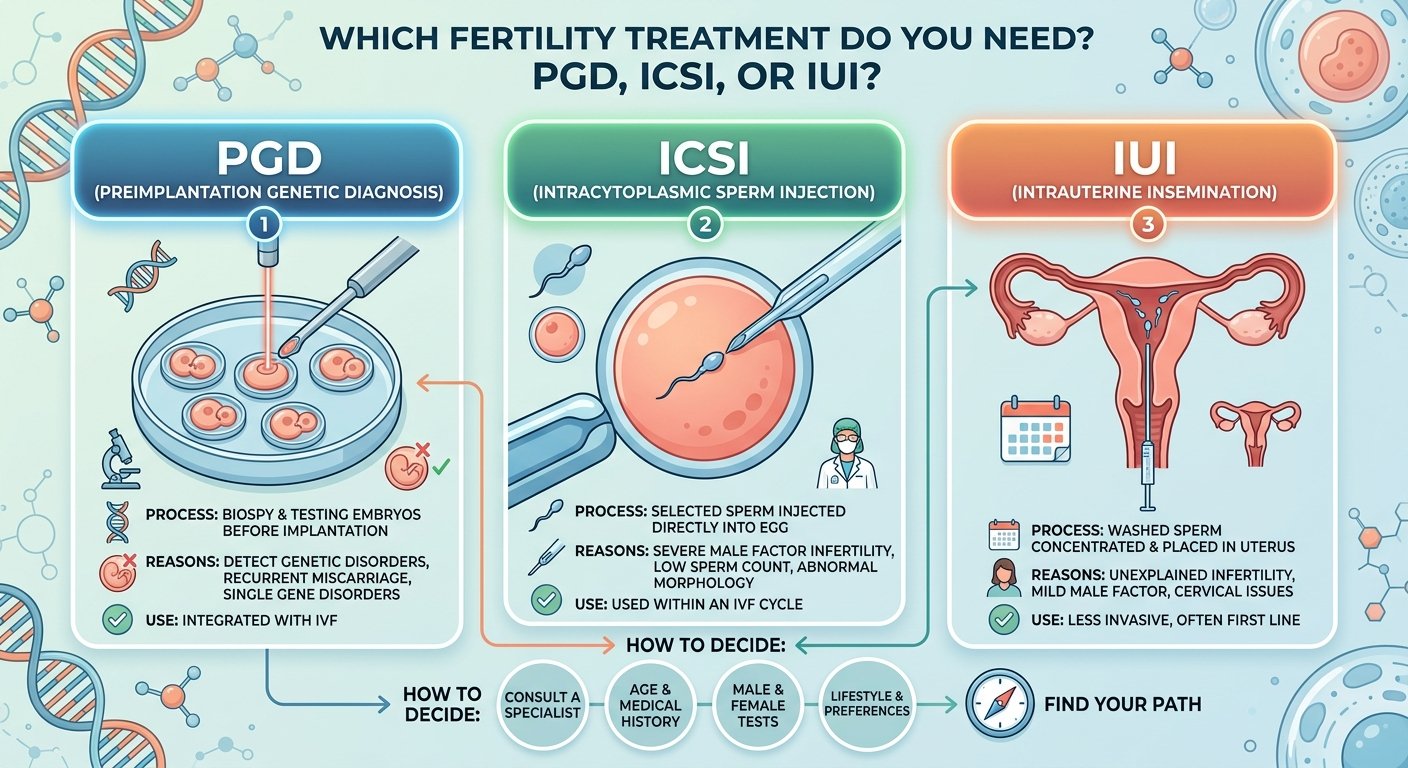
Sperm, if preserved, can be used during the processes of IUI and IVF along with ICSI, contingent upon the sample being used and future directions of the treatment.
A medical professional can discuss various techniques, which might include laparoscopy in some situations, when ejaculation is not considered an option for obtaining the sperm.
When clinically appropriate, safety measures might be taken into account for patients whose fertility may be adversely affected by conventional radiation treatment. Sperm should normally be stored well in advance of starting the fertility treatment process. With respect to a patient’s diagnosis, treatment strategy, and reproductive goals, a healthcare professional is able to outline the potential alternatives.
Implications of Fertility Preservation Before Seeking Medical Treatment
Particular treatments could result in an immediate or prolonged effect on fertility. Eggs, sperm, and reproductive tissues could potentially be harmed by treatments such as chemotherapy, radiation that interferes with reproductive organs, and some other procedures.
Irrespective of how these conditions are treated, many health conditions are capable of having a bearing effect on fertility.
It may prove to be important to talk about preserving fertility before initiating therapies such as cancer treatment and any other additional medical procedures that might result in an impact on reproduction.
However, necessary medical treatment should never be delayed without discussing it with your fertility team.
Picking the Best Treatment Care Facility for Your Problems
There is no single fertility preservation treatment strategy that is suitable for every individual. The choice you make may be affected by your age, previous medical treatment history and reproduction plans.
It’s additionally essential to talk about expenditures, preservation plans, future treatment techniques, and the option of using the retrieved sperm, eggs, and embryos. IVF, freezing of sperm and egg, and other assisted reproductive techniques represent some of the fertility treatment approaches offered through NJINSKY IVF & Fertility Clinic.
You may find out more about the method, what you should consider prior to making a decision, and what types of solutions might be appropriate for your situation, by scheduling a consultation.
All in all
Will you have greater possibilities tomorrow if you preserved your fertility today?
Because future fertility can be adversely affected by conventional medical care, age-related changes, or personal factors, egg, embryo, or sperm freezing may be beneficial to preserve fertility prospects.
No treatment approach can ensure a future pregnancy; hence, the optimal option is contingent on your specific circumstances. Consultation early on with the help of fertility professionals will assist you in grasping your available options and picking an option that best suits your potential family-building goals as well as health concerns.