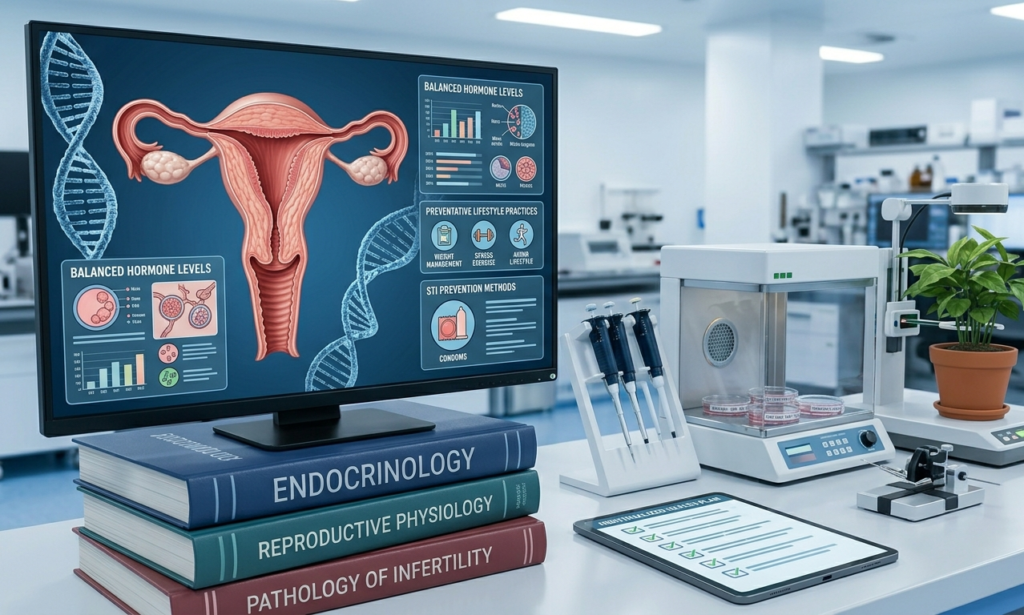
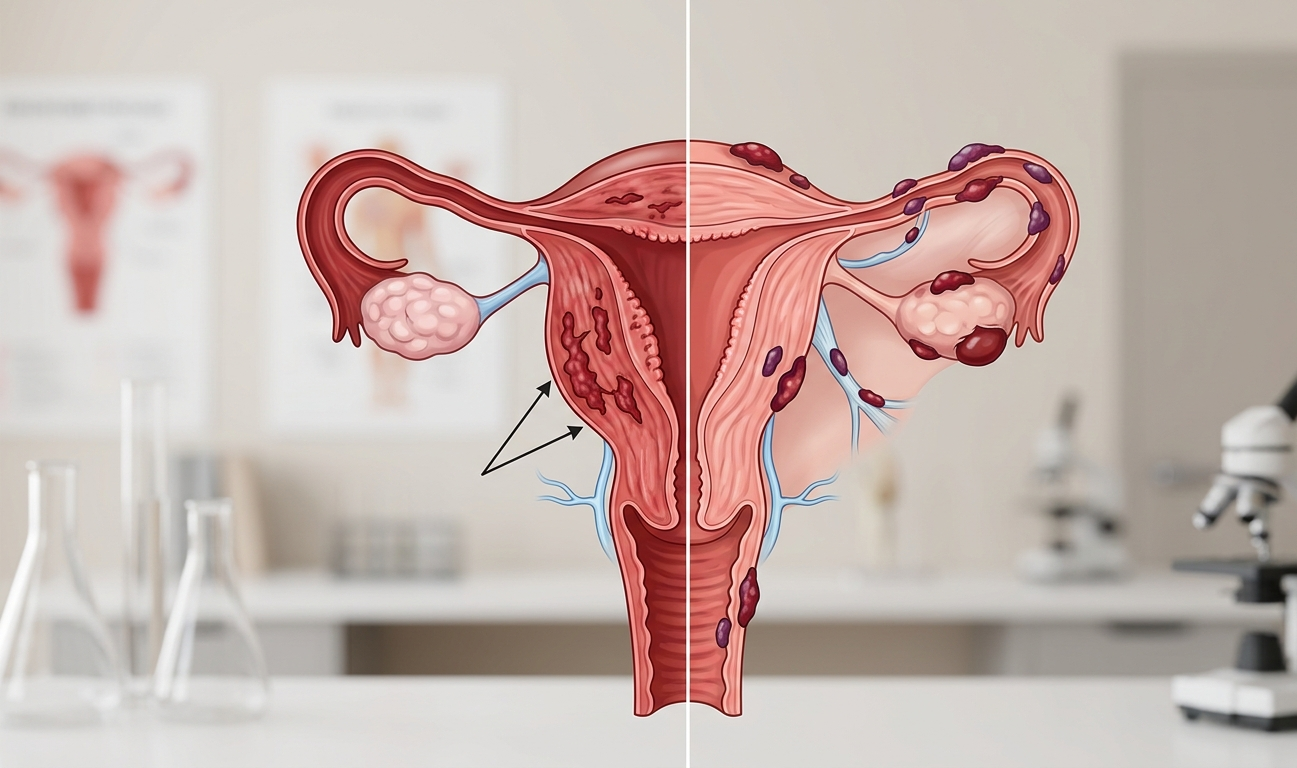
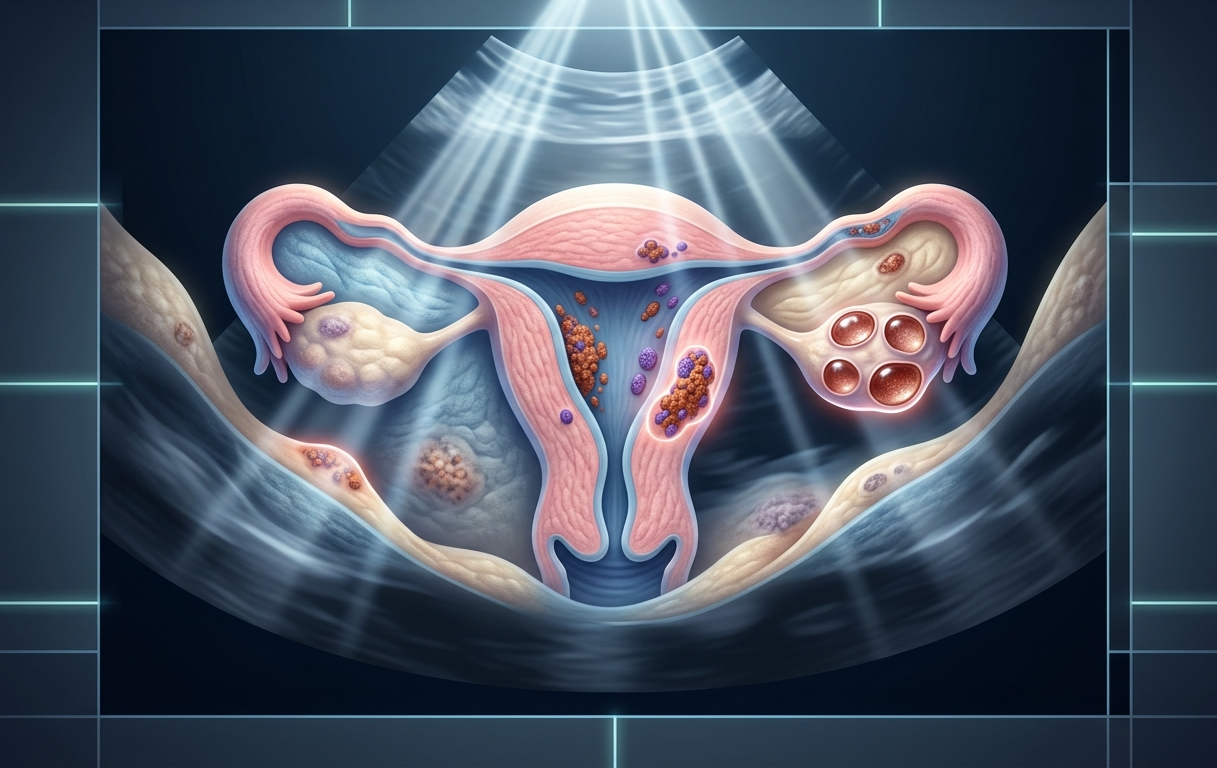
Infertility is a major problem in today’s world affecting every 1 out of 6 couples. Early awareness and small changes in daily lifestyle can make a significant difference in preventing fertility problems.
Lifestyle Tips for Healthy Conception
Here are some fertility-friendly habits you can easily include in your day to day life:
- Nutrition
A healthy diet means eating a balanced diet which has the required amount of both macro and micro nutrients. The staple diet of Asian countries like Pakistan, India and Bangladesh consists of large amounts of carbs and is low in protein. This increases overall calorie intake without adequate protein. Protein plays a crucial role in preserving lean muscle mass, boosting metabolism through its higher thermic effect, supporting hormone and enzyme functions, and increasing satiety, which helps control hunger and prevents overeating during weight management.It is important to have a nutrient-dense diet to ensure adequate intake of essential vitamins and minerals needed for optimal body function, energy production, and overall health.
- Dietary supplements
If an individual is unable to accomplish the daily requirements of his/her macro and micro nutrients it is encouraged to use dietary supplements.Supplements like Folate and omega-3 fatty acids help in improving egg and sperm quality. Especially before pregnancy and during the 1st trimester women are encouraged to use folic acid supplements— deficiency in folate results in neural tube defects (NTD) in the fetus.
- Staying well hydrated
It is recommended to drink 8-10 glasses of water daily. Adequate hydration supports overall reproductive health by maintaining optimal blood flow, supporting hormone transport, and helping keep cervical secretions physiologically balanced, which may contribute to a more favorable environment for conception.
- Good physical health
It is important to maintain a healthy BMI for both males and females. BMI between 18.5–24.9 is associated with optimal fertility. Along with this working-out at least 3 times a week is recommended for hormonal balance and blood circulation. Exercise increases blood flow to the reproductive organs hence improving overall reproductive health while supporting metabolic and hormonal health.
- Prioritising sleep
Sleep plays an important role in hormonal regulation. 7–9 hours of uninterrupted sleep regulates melatonin and cortisol — hormones that directly influence the reproductive axis. Poor sleep is linked to irregular cycles and lower sperm count.
- Lowering levels of stress
Stress may contribute to hormonal imbalance and affect fertility. Techniques like meditation and brisk walking lower levels of stress. High levels of stress increases cortisol levels leading to hormonal imbalance hence irregular cycles in females and lower sperm count in males.
- Reducing alcohol intake and smoking cessation
Tobacco accelerates ovarian ageing, reduces egg reserve, and damages sperm DNA. While alcohol disrupts LH and FSH secretion.
Adapting to these few ways to maintain reproductive health in early ages can improve fertility in the long-term. By reducing risk factors for infertility one can eliminate chances of infertility.
At Njinsky IVF & Fertility Clinic we counsel couples towards having a healthy conception. Our program includes diet plans and lifestyle modification that help improve egg and sperm quality for easier and successful fertilization. For individuals having underlying conditions affecting fertility, we make personalised plans for couples to improve overall fertility.
For patients requiring advanced infertility treatments, Njinsky IVF & Fertility Clinic is equipped with modern technology along with highly specialised gynaecologists and andrologists to offer treatments like IVF, ICSI, gender selection and cryopreservation. Female infertility treatments usually involve medications for ovulation induction prior to IVF to retrieve healthy eggs from mature follicles for a successful fertilization.
Male infertility treatments usually include TESA,TESE, and micro-TESE to retrieve healthy sperm for fertilisation of eggs. This is usually for patients suffering from azoospermia or problems with sperm ducts. Healthy sperm can then be used in procedures like ICSI and IVF.
Njinsky IVF & Fertility Clinic gives insights into your reproductive health and ensures effective treatments to help you achieve your desired goal.