

Hypodontia and Infertility: A Hidden Genetic Link

hypodontia and infertility

Missing teeth can be more than just a dental issue. Some recent research suggests that some rare genetic syndromes may involve both infertility and dental anomalies — this opens doors for early diagnosis and a specific mode of treatment.

Genetic Factors in Fertility

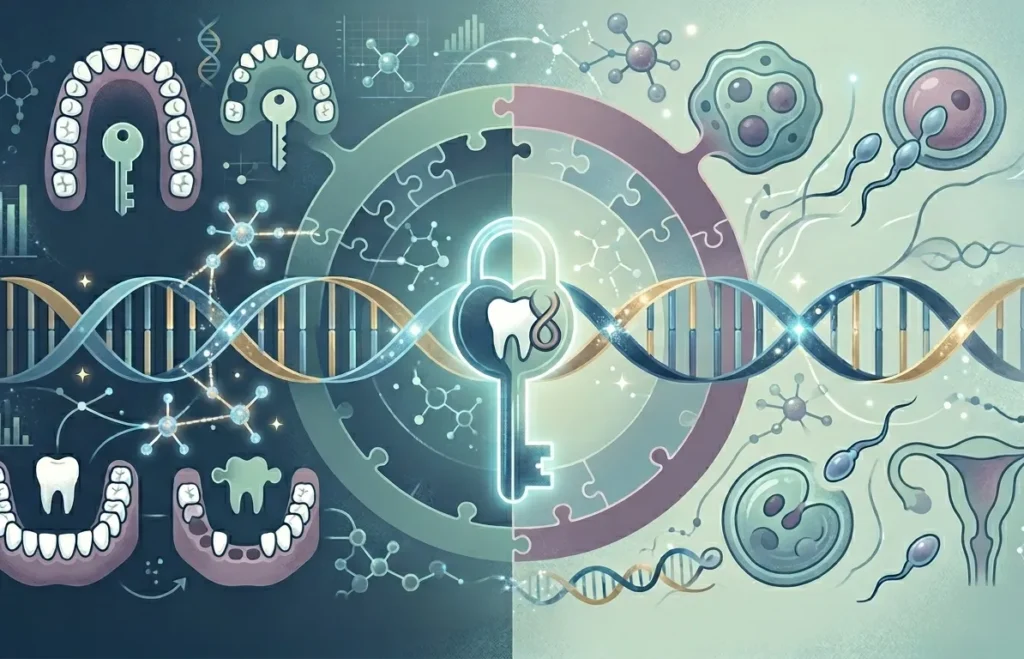
There are several medical conditions affecting fertility and some rare causes of infertility are occasionally associated with dental anomalies. Hypodontia refers to the absence of 1 to 5 permanent teeth– excluding the third molars. Diagnosis of fertility problems involves a series of tests, this also includes genetic testing. Some genetic disorders causing infertility and amy also present with hypodontia are as follows:


  1. Kallmann Syndrome:  In this condition mutations are present in certain genes resulting in a condition known as hypogonadotropic hypogonadism— absent or severely reduced sex hormone production — combined with anosmia, and often dental anomalies including hypodontia.This affects both males and females.Treatment for Kallman syndrome usually involves hormonal therapy to help fertility.


  1. Ectodermal Dysplasia Syndromes: This is a group of syndromes mainly affecting ectodermal-derived tissues— hair, nails, teeth and sweat glands. Patients suffering from this syndrome usually present with hypodontia, sparse hair and absent sweat glands .Some female carriers may exhibit partial phenotypes, and research is ongoing to explore a possible link between EDA pathway disruption and ovarian reserve impairment, though current evidence remains limited.


  1. Turner Syndrome: Female with turner syndrome have genotype of 45,X— while a normal female has a genotype of 46,XX. Female with Turner Syndrome  often present with short stature, webbed neck, low hairline, broad chest and primary ovarian insufficiency along with a significant proportion presenting with hypodontia. However, hypodontia can occur but is not a primary diagnostic feature


  1. Rieger Syndrome (PITX2 mutations): The clinical presentation of the patients may include hypodontia and infertility in rare cases– a pituitary deficit, along with anterior eye abnormalities.

Impact of Health Disorders on Fertility

Not all cases of hypodontia may result in infertility. However, as a sign of underlying genetic abnormalities a thorough evaluation is important. Not all genetic disorders have an obvious presentation. Therefore at Njinsky IVF & Fertility Clinic we ensure a thorough examination and detailed tests to rule out every possibility that might be the cause of infertility. Patients suffering from genetic abnormalities may require hormonal medication to treat infertility. However, pregnancy may be challenging in patients with genetic defects, often requiring multiple treatments, and genetic testing of embryos can help reduce the risk of passing on abnormal genes and improve the chances of a healthy baby.

Treatment for Hypodontia and Infertility

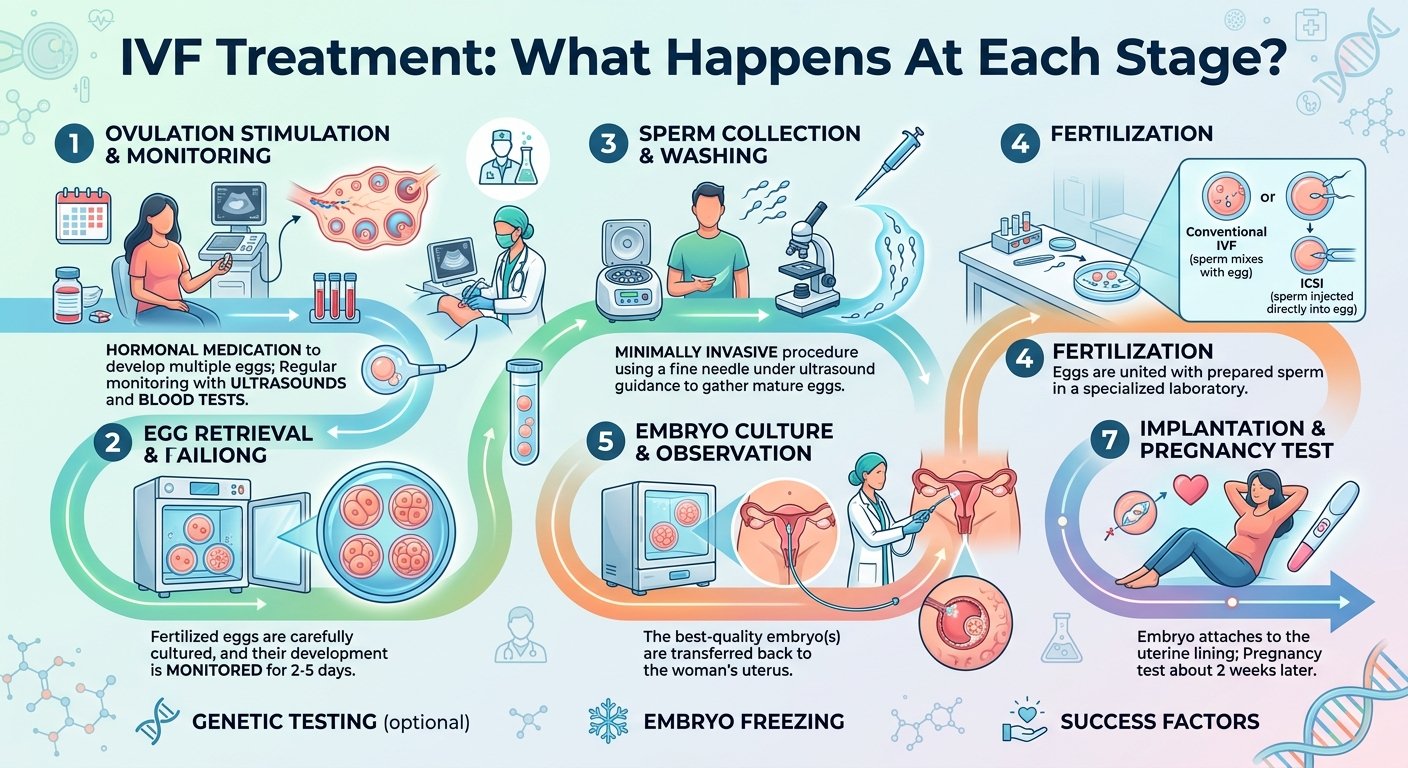
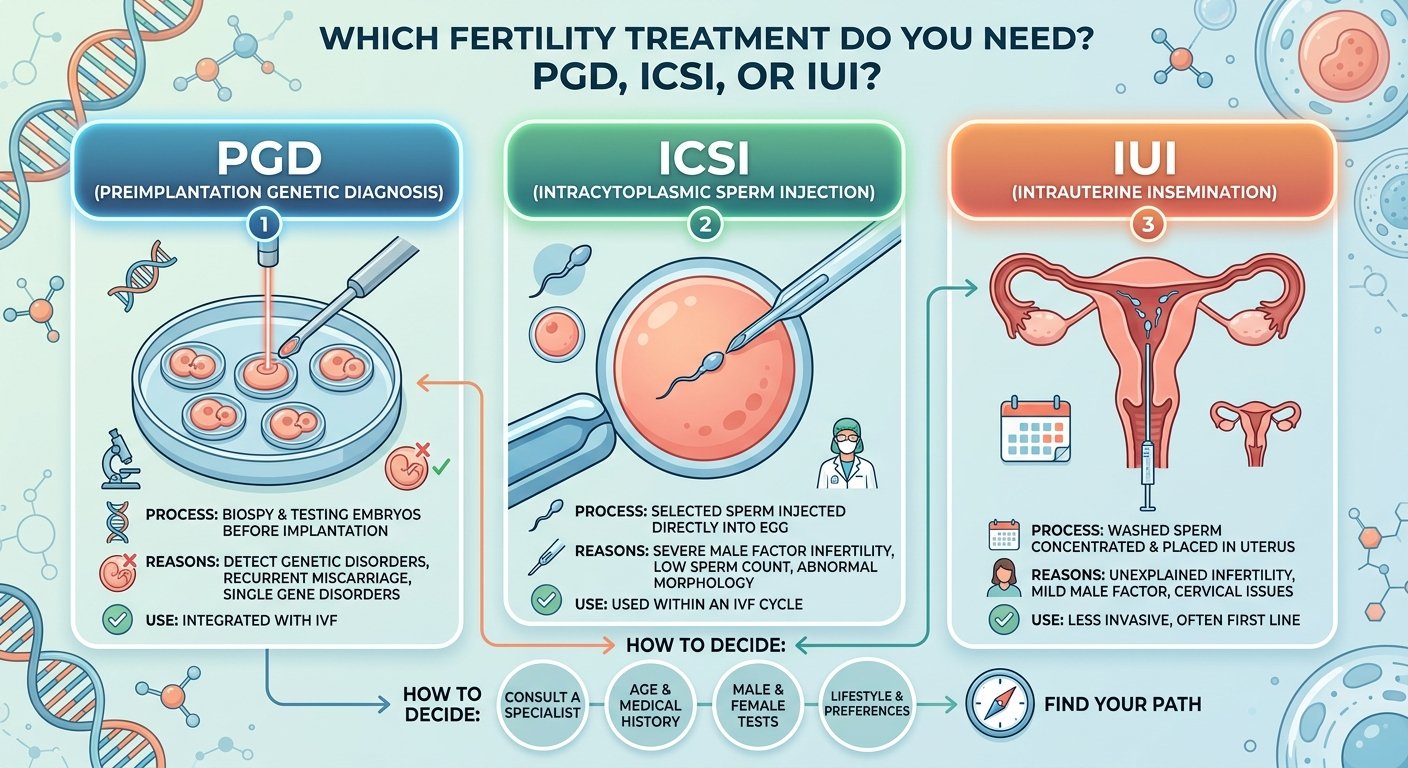
Treatment for hypodontia is simple if one has to replace missing teeth due to cosmetic reasons— a visit to a dentist is your answer. However, infertility treatment is the real challenge to be faced. Female infertility treatment involves hormonal medications to promote egg production if ovaries are present— this can then be followed by ovarian stimulation followed by egg retrieval. These eggs can then be used in IVF and ICSI.  Male infertility treatments on the other hand involve surgical sperm retrieval procedures — procedures such as TESA, TESE and micro-TESE.

Njinsky IVF & Fertility Clinic offers various kinds of genetic tests that help to recognize genetic abnormalities. It is also equipped with modern technology for assisted reproductive techniques such as IVF. Tests like PGT and other tests that provide information about the genetic makeup of the embryo are also offered to couples, so that our patients can have a healthy and stress-free journey to parenthood.

Related Articles

Hypodontia and Infertility: A Hidden Genetic Link
11May

Hypodontia and Infertility: A Hidden Genetic Link

Hypodontia may be more than a dental concern. In some rare genetic syndromes, missing teeth can occur alongside infertility and hormonal disorders.

ICSI vs IUI: Which Fertility Treatment Is Better
08May

ICSI vs IUI: Which Fertility Treatment Is Better

Confused between ICSI and IUI fertility treatments? This guide explains the key differences, procedures, success rates, costs, and who should consider each option to help couples make informed infertility treatment decisions.

ICSI Success Rate in Pakistan: From Odds to Parenthood
07May

ICSI Success Rate in Pakistan: From Odds to Parenthood

Explore ICSI success rates by age, IVF comparison, and fertility factors in Pakistan to improve your chances of a successful pregnancy.