Insulin resistance is one of the most overlooked conditions when it comes to reproductive health. Many patients are unaware of how insulin resistance can become the reason behind their delay in conception and parenthood.
The relation between insulin resistance and reproductive health
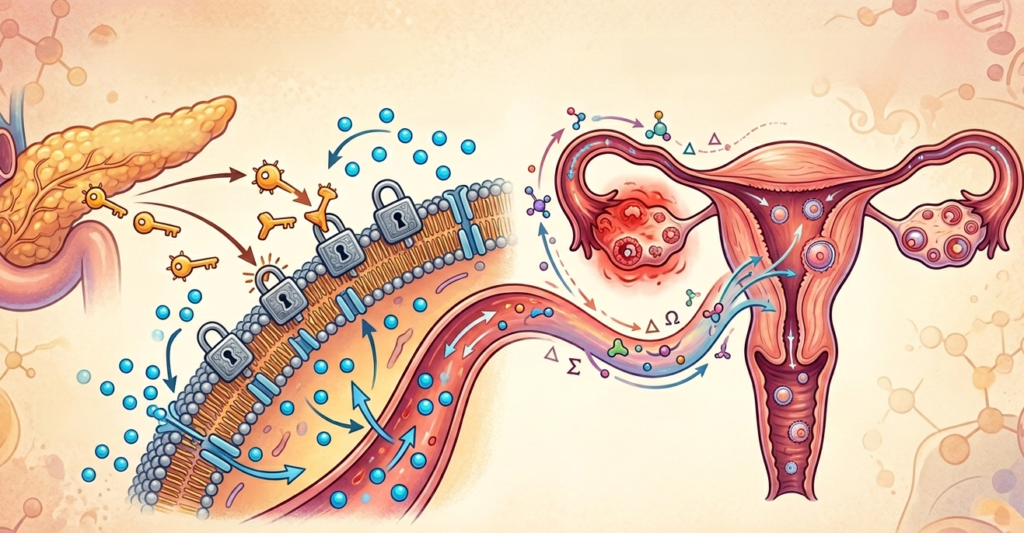
The function of insulin is to shuttle glucose (sugar) into your cells for energy. However, once you eat lots of carbohydrates on a daily basis, are obese, have a sedentary lifestyle along with a history of insulin sensitivity— the cells stop responding to excess glucose,this is called insulin resistance. Due to the result of excess glucose in the blood stream the pancreas starts making more insulin. Over time, chronically high insulin levels quietly wreak havoc on your hormonal system.
This hormonal disruption affects male and females in different ways. As a result, doctors suggest that hormonal imbalance and infertility are closely linked, with worsening imbalance often associated with reduced fertility.
Insulin resistance affects males by lowering testosterone levels— this impairs sperm production, libido, and sexual function. Sperm quality is also affected by high insulin levels as oxidative stress damages sperm DNA, reduces motility, and impairs morphology. High insulin levels result in endothelial dysfunction and metabolic syndrome.
In females high insulin levels disrupts the hormonal cycle triggering the ovaries to overproduce androgens (testosterone), disrupting the estrogen-progesterone balance essential for a healthy cycle. Excessive insulin levels also impairs LH/ FSH hormonal surge results in irregular cycles or absent periods— no egg release. Oxidative stress may negatively affect egg quality, reducing chances of fertilization and embryo development.
Metabolic disorders affecting fertility are more common than most people realize — and an important contributing factor silently working against both men and women.
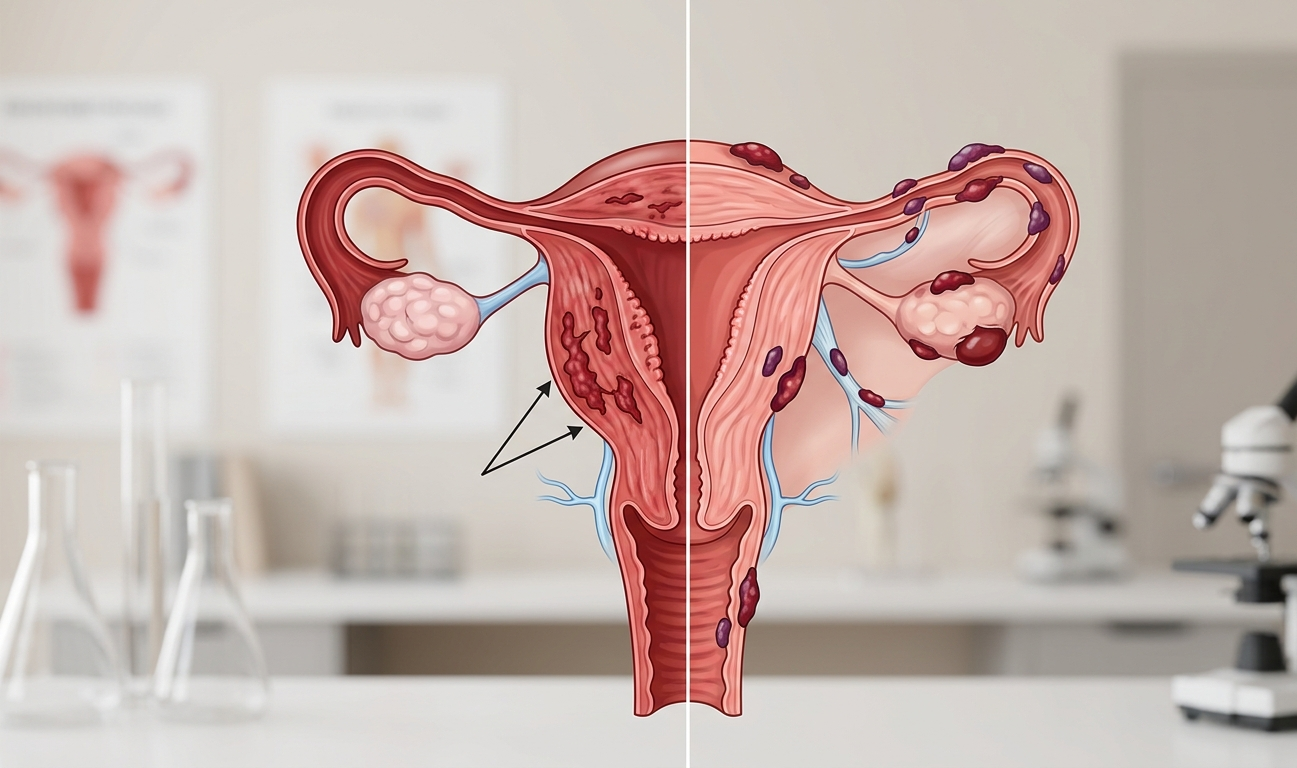
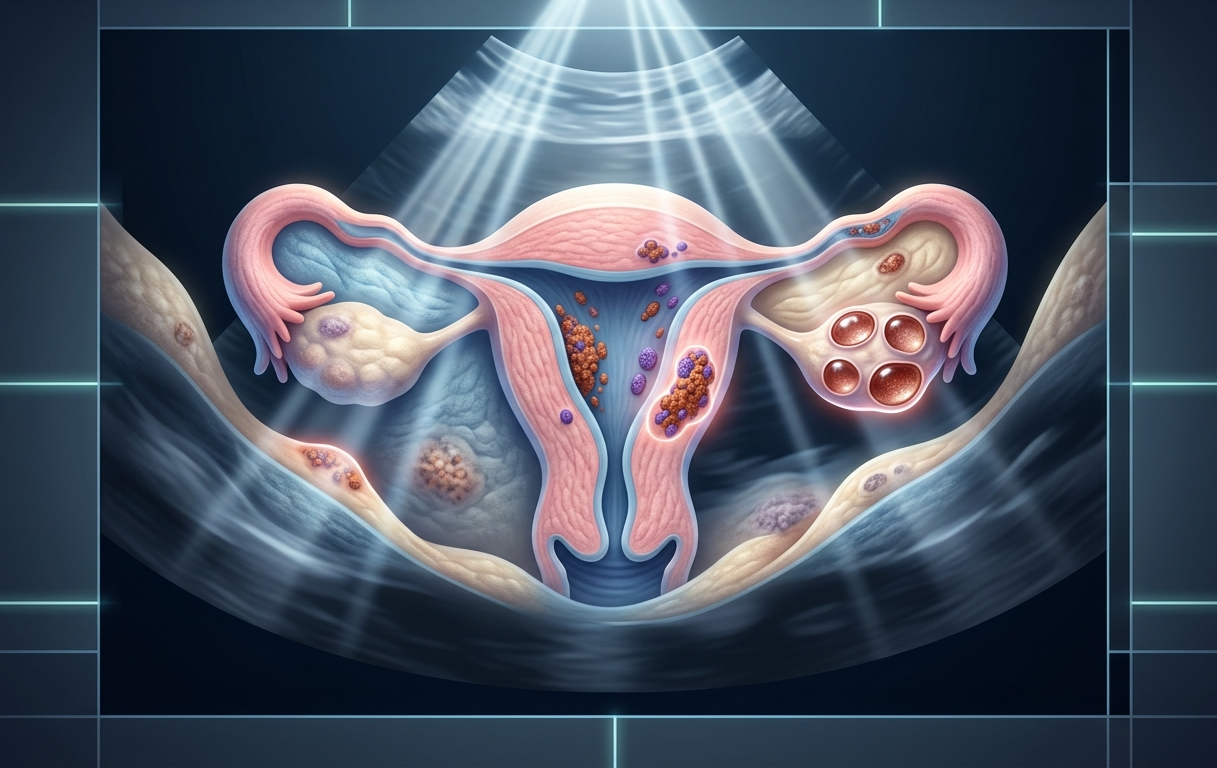
Other causes of infertility in adults include blocked or damaged fallopian or sperm ducts, uterine abnormalities, STDs, surgery affecting reproductive organs, age-related decline in sperm and egg quality, and thyroid disorders or other hormonal imbalances.
Managing infertility with metabolic conditions
Infertility treatment for metabolic conditions begins with identifying the root cause. A common metabolic condition is insulin resistance and many people suffering from infertility are unaware of this. At Njinsky IVF & Fertility Clinic, our doctors work to identify the underlying causes of difficulty in conception through comprehensive evaluation and diagnosis. We offer various tests and ensure an effective plan. Doctors assess risk factors such as BMI—a normal BMI of 18.5 – 24.9 kg/m², family history of diabetes, and laboratory markers like HbA1c. If a patient is in their initial stages of insulin resistance it can be improved by weight reduction, exercise and diet control. However, chronic insulin resistance may lead to long-term complications if untreated and may require advanced treatments.
Female infertility treatment includes hormonal therapy along with medications for ovulation induction. This helps produce more eggs per cycle and good quality eggs can be preserved and fertilised to form an embryo. The process of fertilization of eggs in the lab is known as IVF. On the other hand, in male infertility—particularly in cases of low sperm count—sperm retrieval procedures such as TESA, TESE, and micro-TESE may be performed, with the retrieved sperm used for ICSI or IVF.
Njinsky IVF & Fertility Clinic is equipped with advanced technology and expert fellowship-trained consultants to ensure accurate diagnosis and provide a full range of treatments, from minor procedures to advanced techniques such as IVF.