Men may also experience difficulties with fertility; infertility is not solely just a struggle for women. Failure of a man to get a female partner pregnant for over a year of regular, unprotected intercourse is referred to as male infertility. Couples who exhibit issues with pregnancy need to be familiar with male infertility, its root causes, diagnosis, and possible treatment options.
This blog will explore the term male infertility, its various types, diagnostic procedures, such as hormonal tests for male infertility and current treatment options available through Lahore fertility centers.
Understand Infertility in Men
The incapacity of men to get their female partner pregnant for over a year of constant sexual activity is known as male infertility. It is an important catalyst of infertility in married couples, impacting 7% of all men. (Leslie et al., 2024)
Infertility can arise issues in:
- Quality and quantity of sperm formation.
- Morphology and motility of sperm
- Imbalances in hormones
It is essential to be aware of male infertility and that it can be treatable with timely and proper diagnosis and correct treatment.
Types of Male Infertility
- Primary Infertility in Males
This happens when a man has never previously impregnated a female, he is considered to have primary male infertility. Imbalances in hormones, major issues with production of sperms or congenital defects might lead to this.
- Secondary Infertility in Males
A male who has previously fathered a child but has issues impregnating his partner for a second time, appears to be suffering from secondary infertility. Decline in sperm quality due to age, changes in lifestyle and infections are the potential causes.
Common Reasons For Male Infertility
Genetic, hormonal and behavioural elements may all lead to infertility in males.
The most common issue is the inadequate production of sperm. Conditions may include;
- Varicocele – Enlarged Veins in scrotum
- Genetic factors that affects the functioning of testicular activity
- Testicular injury or surgery
Synthesis of sperms is governed by hormones such as prolactin, FSH, LH and testosterone. Reproduction is sometimes impeded by dysregulated hormonal levels.
- Blockage in Sperm Transfer
Sperm can not access semen when vas deferens, the epididymis and urethra are damaged or blocked. Men suffering from post-operation complications or genetically lacking vas deferens usually have this problem.
- The consumption of alcohol and smoking
- Toxins in the environment
- Stress and Overweight
UTIs (Urinary Tract Infections) can rarely cause infertility but STIs (Sexually Transferred Infections) can damage sperm and reduce fertility.
Male Infertility Symptoms and Warning Signs
Although some men might not demonstrate any obvious signs, infertility in men can be detected by the following;
- Problems in conceiving despite regular intercourse
- Erectile dysfunction or low sexual inclination
- Pain in testes, lumps or pain
- Hormonal markers are abnormal breast growth and low growth of hair on the body or face.
- Repeated illnesses or any harm done in past
Timely detection of symptoms facilitates immediate assessment and therapy.
Screening Tests for Infertility in Men
Listed below are the screening tests done by fertility centers;
- Semen Examination
One of the few initial steps taken for diagnosis of male infertility. Tests measure the following;
- Quantity of sperm (sperm count)
- Physiology or motility of the sperm
- Volume or pH
- Hormonal Tests for Male Infertility
Understanding endocrinological reasons takes analysis of hormone levels. Some hormones tests include;
- Testosteron
- Follicle Stimulating Hormone
- Luteinizing Hormone
- Prolactin
Failure of function of pituitary gland or testicles may be characterized by abnormal hormonal levels.
- Genetic Testing
Abnormalities in Y-chromosomes or mutations in the genes of cystic fibrosis are the typical hereditary causes of infertility.
- Imaging Technology
Testicular defects, obstructed vessels and varicocele are some common structural conditions that ultrasonography can detect.
- Additional Tests
- After ejaculation urine analysis
- Sperm functions tests
- In some cases, testicular biopsy
Can Male Infertility be Treated?
Luckily, infertility in men is often treatable. The fundamental cause defines the direction of therapy.
- Change in lifestyle habits including giving up smoking and alcohol.
- Use of medicines to increase sperm production and tackle endocrine issues
- Treatment through surgery like varicocelectomy, treat blockage in reproductive track and sperm extraction for ART procedures.
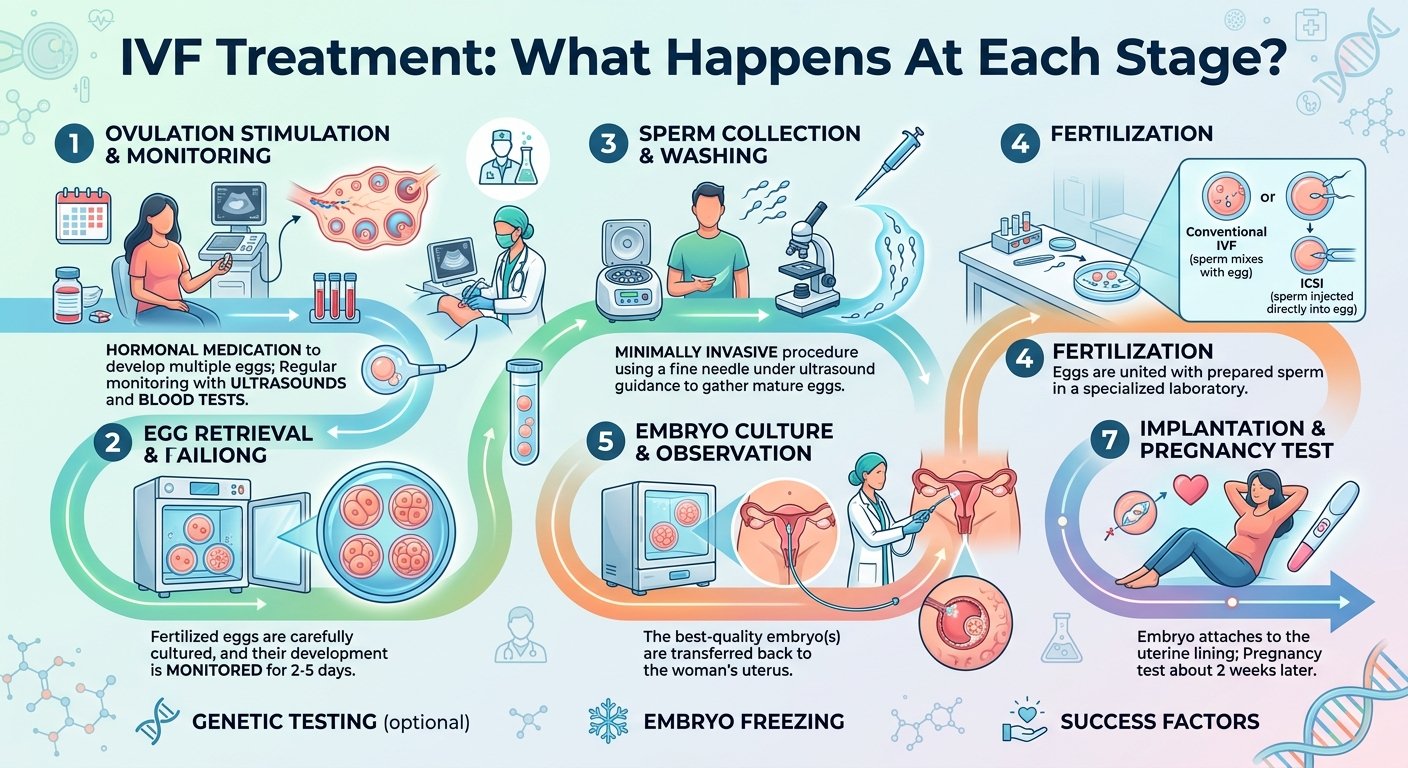
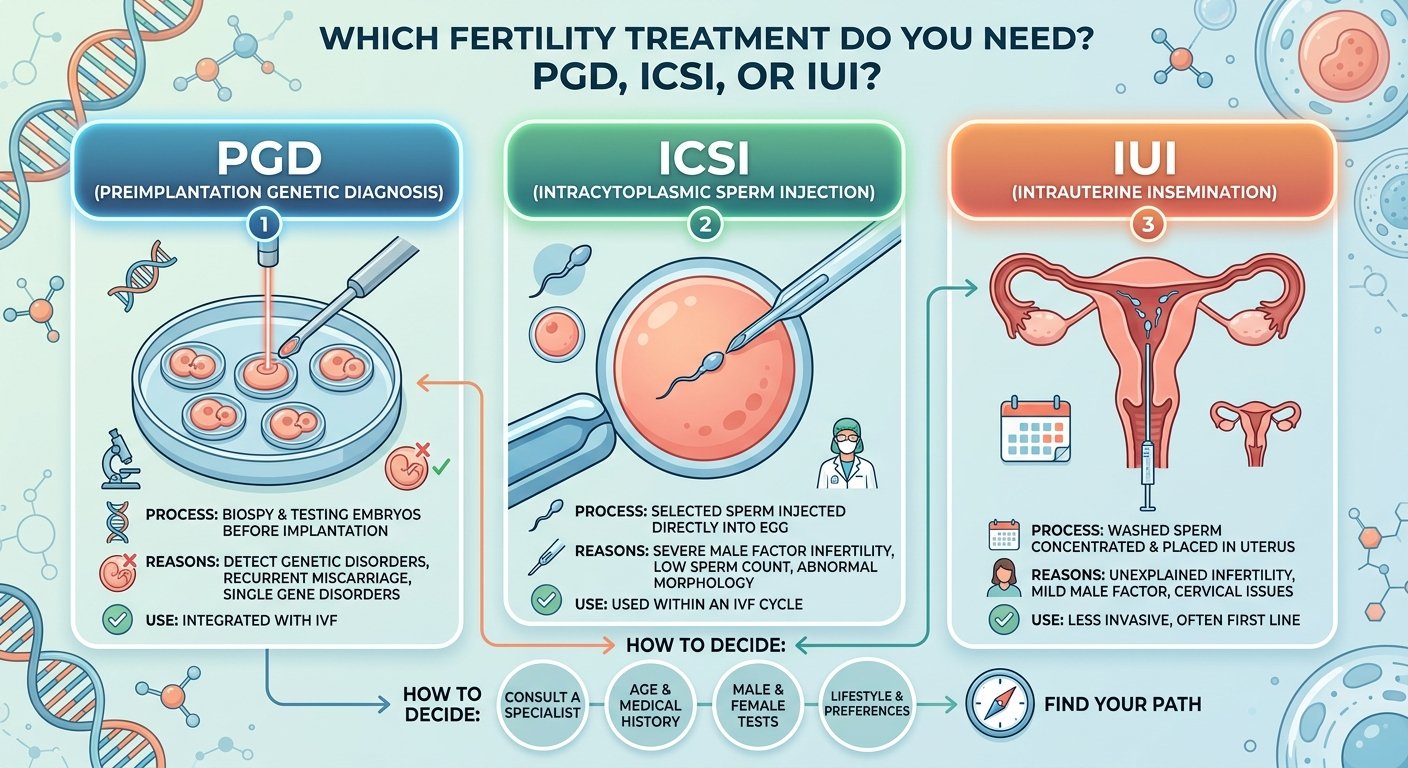
- In case of acute infertility, ART (Assisted Reproductive Technologies) are employed; IVF or ICSI
These approaches significantly boost the chances of a healthy pregnancy by breaking many reproductive barriers.
Advanced Treatment Options
For addressing extreme cases of male infertility, particularly when the quantity of the sperm is low or nonexistent (Azoospermia), advanced fertility healthcare offers a variety of innovative male infertility treatment choices. The normal and health sperms are collected directly from the reproductive tract via advanced surgical sperm removal techniques.
Complex male infertility conditions can be managed through scientifically validated methods at NJINSKY IVF & Fertility Clinic. These involve;
So as to boost the probability of a successful pregnancy, these treatments are used in combination with assisted reproductive technologies like IVF or ICSI. The real cause of infertility, the medical history of the patient and the outcomes of tests all influence the treatment plan. The availability of these advanced approaches highlights how necessary it is to speak with a professional and choose the right fertility center in Lahore.
Male Infertility Specialist
A precise diagnosis and proper treatment will be ensured by a certified male fertility specialist in Lahore. Renowned for their competency in treating all female or male patients, Dr. Madeeha Asad administers specialized treatment plans to partners struggling to conceive. Good and successful results are more probable to happen when a qualified specialist like Dr. Madeeha Asad is there to provide consultation at NJINSKY IVF & Fertility Clinic.
In Conclusion
Through the use of current medical procedures, infertility in men is manageable with appropriate treatment methods. The key first step is to spread awareness about male infertility, recognize its signs and symptoms, and contact a licensed medical expert.
Hormone levels testing, surgical treatment and assisted reproductive techniques are some of the many services provided by NJINSKY IVF & Fertility Clinic. Many men can now confidently reproduce after dealing with challenges of sterility. The search for hope, solutions and fatherhood commences with seeking infertility treatment.