Bearing a child is not automatically impossible for men with male factor infertility.
When conceiving naturally is complicated, assisted reproductive technology could prove to be beneficial, while surgical intervention and medication might be the best way to tackle the root cause of the problem.
The quantity of sperm, motility, hormone levels, health of the reproductive tract, and both partners’ fertility all determine the most effective treatment.
Typical Hormonal Treatment and Medications for Male Infertility
When a specific medical problem or hormonal dysfunction has been found to be linked to male infertility, medications can prove to be therapeutic. While testosterone promotes adequate male reproductive functions, hormones including luteinizing hormone (LH) and follicle-stimulating hormone (FSH) are essential for sperm production.
A fertility specialist could recommend hormonal balancing treatment such as human chorionic gonadotropin (hCG) or other medications that promote the reproductive system’s endogenous hormone signals, as determined by the diagnosis. In certain cases of hormonal imbalance, medications like these may particularly be effective. Infections or other underlying issues may also require additional care.
However, medication is not always considered an effective treatment option for infertility in men.
Prior to starting the treatment, men who desire to embrace fatherhood should consult a specialist regarding the possible side effects of conventional testosterone replacement therapy, since it may suppress the hormones that are essential for normal sperm production. The evidence supporting antioxidants and vitamins is limited, and they should be used only under suitable medical supervision.
Surgical Treatment Techniques For Male Infertility
Whenever a medical condition that could potentially be treated hinders sperm production, motility, or ejaculation, surgery could be a viable choice. The root of the problem and the diagnosis results of the fertility evaluation influence the proposed strategy of the treatment.
Some common treatment options are:
Repair of Varicocele: This procedure tackles swollen veins surrounding the testicle in some men who exhibit abnormal sperm parameters, which may cause infertility. Similarly, when a blockage is the primary reason for infertility, surgical removal of the obstruction might enable sperm to circulate through the reproductive system properly.
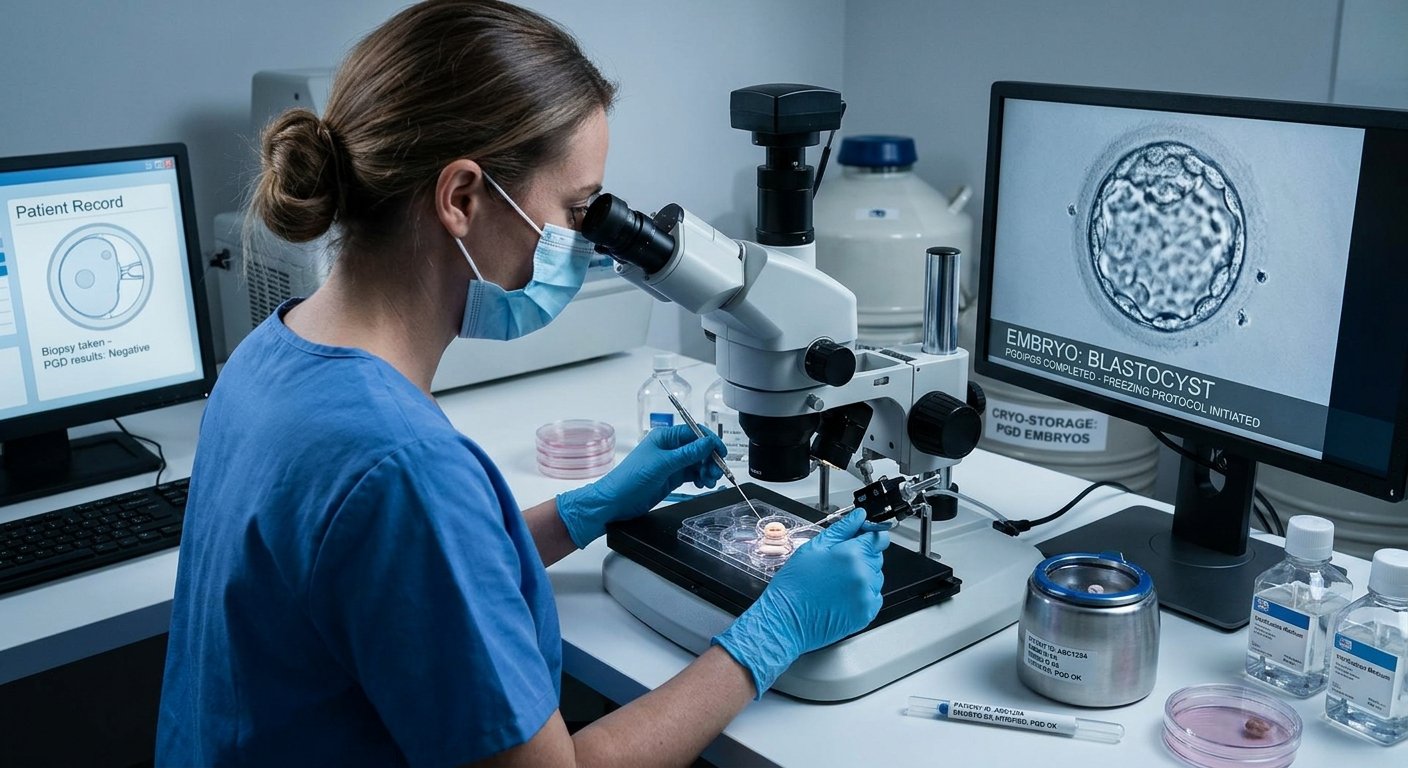
Surgical Sperm Retrieval: Whenever sperm are not present in the ejaculate or cannot be retrieved through ejaculation, treatment strategies which involve TESE (testicular sperm extraction), microTESE (microdissection TESE), or testicular or epididymal sperm aspiration can potentially be used.
Intracytoplasmic sperm injection (ICSI) along with other assisted reproduction techniques is frequently performed in combination with surgical sperm retrieval procedures. In light of the in-depth diagnosis, potential advantages, and the couple’s fertility objectives, surgery may or may not be considered appropriate for men with atypical sperm results.
IUI, ICSI, and IVF For Male Infertility
Assisted reproductive technologies could offer a viable approach to conception when standard surgery or medications are not likely to achieve the intended result. IUI, IVF, and ICSI are three options that are commonly used.
During the time of ovulation, a prepared sample of semen is introduced directly into the uterus during the IUI process. If there are adequate motile sperm, it could possibly be given serious consideration in certain cases of moderate male factor infertility issues. When there is a particularly small number of motile sperm, it can become less effective.
Retrieving eggs and fertilizing them in the lab is commonly referred to as in vitro fertilization (IVF). The resulting embryos are then transferred to the uterus. When natural conception is difficult or when other reproductive interventions are inadequate or unsuccessful, IVF can serve as an alternative.
The ideal plan is based upon sperm health, the fertility health of both partners, the evaluation results of previous treatments, and other medical variables because such treatments have distinct roles.
Pick The Best Fertility Clinic For Treatment
Recognizing the need to know the reason why conception remains complicated is the starting point in picking a treatment.
A medical history, standard physical evaluation, semen analysis, and, if needed, hormone tests might all constitute the evaluation elements of fertility health. If an obstruction, a genetic disease, or a problem with sperm production is suspected, additional diagnosis and monitoring are suggested.
Making a treatment choice should also consider age, fertility health, the length of time the couple has been trying to conceive, the total expense, and other particular preferences. Before proceeding with assisted reproductive technologies, it might prove to be important in some circumstances to address and resolve the underlying issues. For some other individuals, shifting immediately to IVF with ICSI might prove to be the most appropriate option.
Male fertility treatment services offered by NJINSKY IVF & Fertility clinic comprise sperm removal techniques and assisted reproduction such as IUI, IVF, and ICSI. Couples can learn about the most viable possibilities, interpret their findings, and formulate a treatment strategy targeted to their needs, with the help of a professional fertility specialist.
Conclusion
Can a suitable treatment technique fix the male factor infertility issue?
Depending on the underlying problem, a wide range of solutions may be readily available, such as hormone-based medications, surgeries, IUI, IVF, and ICSI. Even so, a thorough evaluation is vital in the initial phase of developing a proper treatment plan. Addressing the treatable problems, articulating achievable goals, and leading couples towards the approaches that are optimal for their fertility objective, can all be achieved by consulting a fertility specialist.





One Response