Thousands of couples have conceived because of fertility treatment procedures, especially with assisted reproductive technologies like IVF. Ovarian Stimulation, a process designed to activate the ovaries to stimulate the development of multiple follicles and mature eggs in a single cycle, is considered one of the vital stages of IVF.
The Ovarian Stimulation Syndrome, commonly known as Ovarian Hyperstimulation Syndrome (OHSS), is a disorder that may sometimes result from this type of treatment, regardless of the fact that IVF substantially enhances fertility chances.
While going through fertility treatment, patients often look for details regarding the signs and symptoms of ovarian stimulation syndrome, the process of ovarian stimulation, or if IVF ovarian stimulation procedure is worth opting for the patients with infertility. Since early identification and proper surveillance may avoid major repercussions, it is essential to understand OHSS.
In an easy and medically precise manner, this blog explains ovarian stimulation in IVF, the underlying causes and signs of Ovarian Hyperstimulation Syndrome, typical risk factors, precautionary measures, and available treatment options.
What is Ovarian Stimulation?
Understanding how conventional ovarian stimulation IVF works is essential to comprehend Ovarian Hyperstimulation Syndrome (OHSS). Following the cycle of ovulation, the ovaries usually release one fully developed mature egg.
Fertility medications are used in IVF treatment to stimulate the ovaries to stimulate the development of multiple mature eggs instead of just one. This process is referred to as Ovarian Stimulation.
The total number of eggs produced increases;
- The quantity of embryos available
- The probability of successful fertilization
- IVF success rate overall
One of the most important phases of IVF treatment is the ovarian stimulation phase.
Understanding Ovarian Hyperstimulation Syndrome
When fertility medications are administered during the procedure of stimulation of the ovaries, sometimes the ovaries react excessively, leading to Ovarian Hyperstimulation Syndrome. Fluid may shift from the bloodstream into the abdomen and, in severe cases, the chest cavity as the ovaries swell.
OHSS might involve the following;
- Mild discomfort
- Moderate symptoms
- Severe, potentially life-threatening complications
Especially with current IVF monitoring techniques, in most cases people experience mild and temporary symptoms.
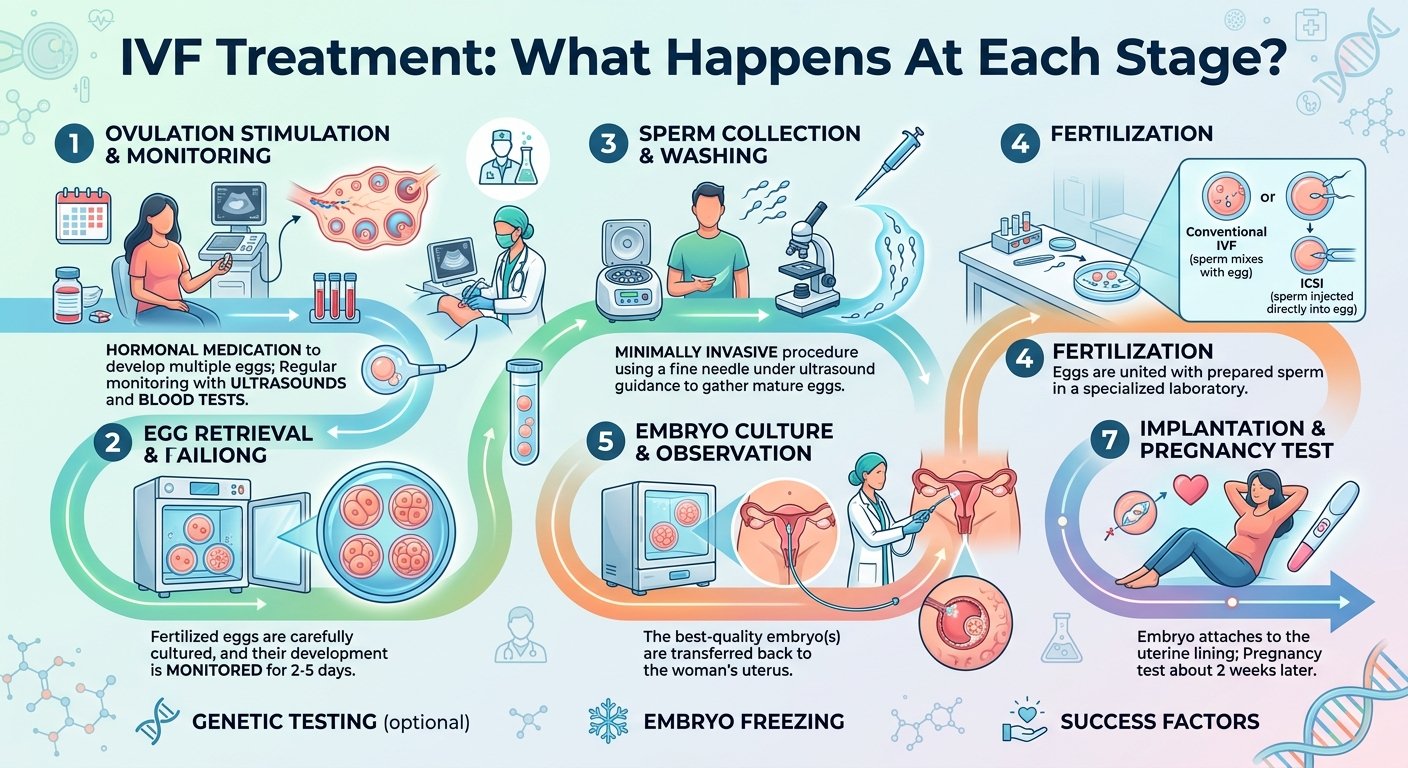
How the Process of Ovarian Stimulation Operates?
During the process of IVF, the ovarian stimulation procedure is carefully planned and monitored.
- Initial Evaluation: Doctors measure hormone levels, medical history and ultrasound imaging.
- Administration of Fertility Medications: Patients are given injectable (FSH) hormones, to stimulate the growth of follicles.
- Monitoring: Doctors take regular ultrasound scans and blood tests.
- Trigger Injections: When the follicles have matured, patients are given hCG injections to prepare eggs for final maturation before retrieval. This trigger injection is one of the factors associated with the development of OHSS in susceptible patients.
- Egg Retrieval: Within 34-36 hours of injections, the eggs are collected.
The Root Cause of Ovarian Hyperstimulation Syndrome
Fertility drugs sometimes overstimulate the ovaries, which results in OHSS.
This medical condition is strongly linked to;
- High ovarian response to fertility medications
- Excessive growth of follicles
- Increased permeability of ovarian blood vessels
As a result, blood vessels tend to spill the fluid into the tissues nearby and body cavities.
Symptoms of Ovarian Hyperstimulation Syndrome
The signs and symptoms of Ovarian Hyperstimulation Syndrome vary according to how severe it is;
Mild Symptoms
- Abdominal Bloating
- Discomfort in pelvic region
- Mild Nausea
- Mild weight gain
Typically, these symptoms go away in a couple of days.
Moderate Symptoms
In cases of moderate OHSS,
- Increased swelling in the abdominal region
- Vomiting
- Diarrhea
- Noticeable abdominal discomfort
At this stage, health monitoring is important.
Severe Symptoms
Urgent medical care is needed in such conditions;
- Severe abdominal pain
- Rapid weight gain
- Shortness of breath
- Blood clots
- Severe abdominal swelling (distension)
In situations like these, hospitalization is needed.
Who is More at Risk?
Ovarian Hyperstimulation Syndrome is more prevalent in certain individuals. Common risk factors are;
Since their ovaries often respond aggressively to fertility medications, women with PCOS are particularly at risk.
IVF Ovarian Stimulation Protocols
The purpose of modern-day IVF ovarian stimulation procedure is to maintain a high IVF success rate while reducing the likelihood of OHSS.
Mild Stimulation Protocols
The chance of overstimulation is lowered by reducing the dosage of the medicine.
Antagonists Protocols
Doctors are able to better control the ovarian response with the help of these treatment protocols.
Trigger shot adjustments
For patients at high risk, doctors may replace traditional hCG trigger injections with safer alternatives
The Freeze All Strategy
In patients with high risk, all embryos can be cryopreserved (freeze), and embryo transfer is delayed to a subsequent cycle. This methodology allows the levels of hormone to return to normal and reduces the risk of developing OHSS.
How Do Doctors Prevent OHSS?
One of the most important goals during ovarian stimulation is the prevention of hyperstimulation.
Doctors reduce risk by;
- Administering tailored medication doses
- Regularly monitoring hormone levels
- Adjusting protocols
- Delaying the transfer of embryos if needed
Throughout the ovulation stimulation period, careful monitoring is essential.
Treatment for Ovarian Hyperstimulation Syndrome
The treatment approach depends on the severity of the disease.
If the patient has acquired a mild OHSS rest, hydration, and avoiding strenuous activity is advised.
In moderate level OHSS cases, patients should take blood tests and frequent ultrasound imaging.
When the OHSS has become severe, the patient should be subjected to intravenous fluids, fluid drainage, prevention of blood clot and should be monitored for kidney and liver functions.
Lifestyle Habits
Patients may help themselves in healing and feeling comfortable by;
- Staying Hydrated
- Avoid heavy exercises
- Keeping track of your weight
- If symptoms worsen, report quickly
These measures can help alleviate the symptoms, promote recovery, and reduce the risk of issues related to OHSS.
Debunking Some Myths About OHSS
Myth1: Every IVF patient suffers from OHSS
Reality: The vast majority of patients do not go through OHSS.
Myth2: Being hospitalized is necessary for OHSS patients
Reality: Most cases of OHSS are mild and can be managed without hospitalization.
Myth3: IVF is dangerous because of OHSS
Reality: Risks are greatly reduced due to modern IVF treatment protocols.
Advanced Ovarian Stimulation Care At NJINSKY IVF & Fertility Clinic
With the goal to prevent consequences like Ovarian Hyperstimulation Syndrome (OHSS), stimulation of the ovaries requires careful monitoring, tailored treatment plans and qualified fertility specialists. Optimal IVF outcomes and patient safety can both be supported through individualized stimulation techniques and careful monitoring.
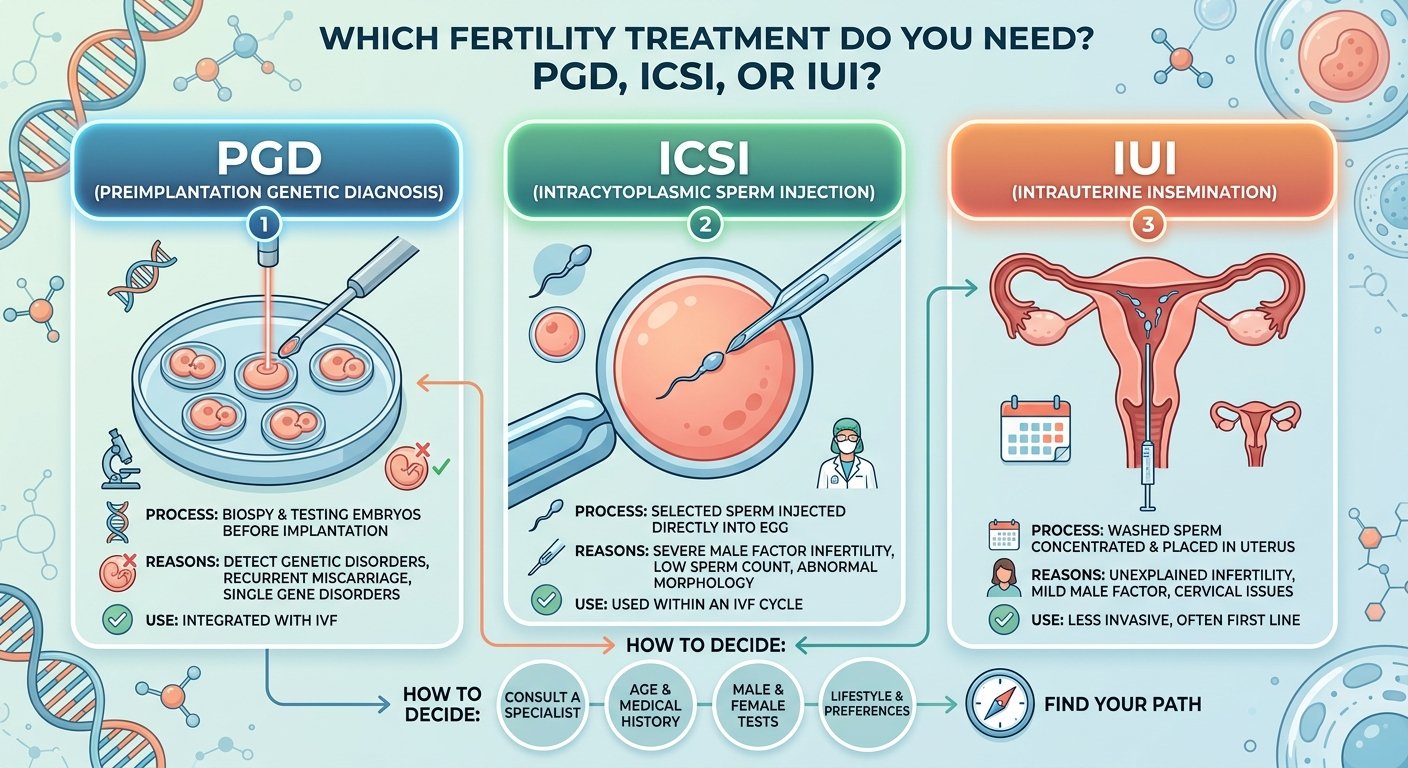
The fertility management services provided by NJINSKY IVF & Fertility Clinic include ovarian stimulation for IVF cycles, ultrasound guided follicular monitoring, and hormonal analysis. This clinic also offers ovulation stimulation plans and tailored IVF ovarian stimulation protocols for IVF treatment. Furthermore, this clinic has several fertility treatment technologies including TESE, PESA, TESA, and Micro-TESE, along with IVF, ICSI and IUI, ovulation induction and standard embryo transfer procedures.
The approach of treatment used by NJINSKY IVF & Fertility Clinic on tailoring fertility medication plans determined by ovarian response, is particularly important for patients who are more inclined to have symptoms associated with Ovarian Hyperstimulation Syndrome, including women with PCOS or high ovarian reserve. While maintaining the successful egg recovery procedure, rigorous cycle tracking and patient-specific doses lead to help optimize outcomes.
Final Thoughts
One of the most recognized negative effects of fertility treatment is Ovarian Hyperstimulation Syndrome, which develops when the ovaries in the female reproductive system are overstimulated because of the medications during IVF. In most of the cases, the ovarian hyperstimulation syndrome is mild and manageable with adequate monitoring.
It is possible to greatly lower risk and enhance patient safety by comprehending the ovarian stimulation process, identifying the symptoms of Ovarian Hyperstimulation Syndrome, and adhering to well planned IVF ovarian stimulation protocols.
Ovarian stimulation is still a crucial and largely safe component of IVF treatment for many individuals seeking conception thanks to contemporary fertility care, customized treatment planning, and thorough medical supervision.