

Prolactin and Infertility: Causes, Symptoms & Treatment

Prolactin and Infertility

Infertility can be caused by high levels of prolactin in the blood— this is often overlooked in patients. Many patients are unaware of the fact that high prolactin levels are easily treatable.

High Prolactin and Fertility Issues

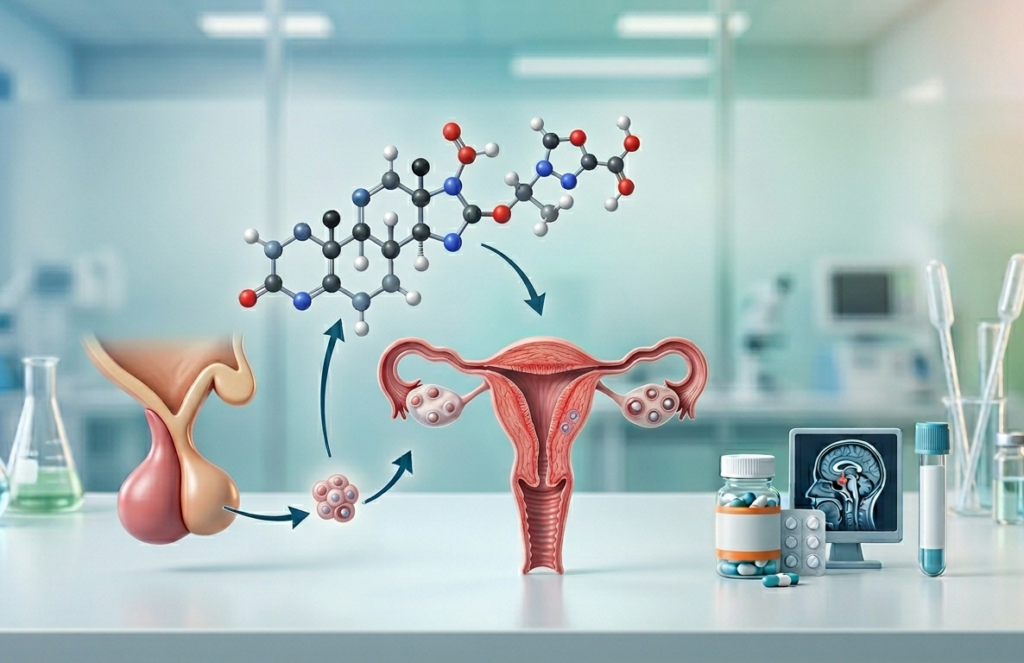
Prolactin is a hormone produced by the pituitary gland in the brain. Its primary function is to sustain milk production after pregnancy. Prolactin indirectly influences reproductive hormones. It helps in regulating the menstrual cycle, ovulation, and the hormonal balance needed for fertility in both sexes.

When prolactin levels are high outside the period of pregnancy the condition is known as hyperprolactinemia. Levels above 200 ng/mL strongly suggest a prolactinoma (a benign pituitary tumour). Mildly elevated levels have many causes, including stress, certain medications, and thyroid disorders.

Disruption of prolactin levels in females results in irregular or absent menstrual cycles. This also disrupts the luteal phase— being the cause of hormonal imbalance affecting conception. In men, high levels of prolactin causes low sperm count, reduced testosterone levels and erectile dysfunction. High prolactin levels can be one of the hormonal causes of infertility.

Diagnosis of Endocrine-related Infertility

  • Blood test

A routine blood test is performed in the morning— usually done in the morning under relaxed conditions. High stress levels can cause high prolactin levels. The blood test needs to be repeated in that case.

  • MRI of the pituitary gland

MRI rules out prolactinoma— in cases of high prolactin levels. Most are microadenomas (<10 mm) and benign.

Treatment for Hormone-related Fertility Problems

Infertility treatment — usually requires hormonal therapy. Dopamine agonist medication such as Cabergoline or bromocriptine are first-line treatments. They normalise prolactin in over 80% of patients, often restoring ovulation within weeks. At Njinsky IVF & Fertility Clinic doctors run a thorough investigation to rule out the underlying cause of hyperprolactinemia. 


With female infertility treatments, fertility often improves if hyperprolactinemia is the primary cause. However, at Njinsky IVF & Fertility Clinic we offer advanced treatments such as IVF, IUI and ICSI if the couple is having trouble conceiving.


High prolactin levels in males result in low sperm count, low testosterone and erectile dysfunction. Male infertility treatment may involve addressing elevated prolactin levels, which can help restore testosterone and improve fertility; however, this is not always sufficient on its own, and assisted reproductive techniques (ART) may be considered if conception does not occur after treatment


To conclude, many people are unaware of their prolactin levels and may become concerned or anxious when they see elevated results. Therefore, it is important to educate ourselves towards the different causes of infertility and how persistently high prolactin levels can affect reproductive health. It is also important to understand that a single blood test for prolactin is not enough to diagnose a patient— prolactin levels tend to increase due to stress. Infertility due to high prolactin is often treatable with appropriate therapy once diagnosed accurately.

Related Articles

Is IUI Painful? What Patients Should Expect?
22May

Is IUI Painful? What Patients Should Expect?

Many patients worry about pain before undergoing IUI treatment. This blog explains what the procedure feels like, possible discomfort, recovery, and how expert care can make the experience smoother and less stressful.

Smoking and Infertility: Effects on Men and Women
21May

Smoking and Infertility: Effects on Men and Women

Smoking can significantly reduce fertility in both men and women by affecting sperm quality, ovulation, and overall reproductive health.

Prolactin and Infertility: Causes, Symptoms & Treatment
20May

Prolactin and Infertility: Causes, Symptoms & Treatment

High prolactin levels are a commonly overlooked but treatable cause of infertility in both men and women.