

Smoking and Infertility: Effects on Men and Women

Smoking and Infertility

Smoking significantly affects fertility in both males and females— a dose-dependent relationship has been observed.In recent studies it has been shown that even low levels of smoking may negatively affect sperm parameters.

Effects of Smoking on Infertility

Smoking is one of the major lifestyle factors affecting conception. Women who smoke have reduced fertility and a higher risk of miscarriage, as cigarette toxins can damage egg DNA and increase the risk of adverse pregnancy outcomes.Tobacco toxins negatively affect ovarian function— women experience early menopause and shorter and more variable cycle lengths.

Men who smoke are often diagnosed with low sperm count along with overall poor sperm—smoking can cause DNA damage in sperm, which is linked to an increased risk of miscarriage.

The link between smoking and reproductive health is well-established and affects both men and women.

Preventable Causes of Infertility

Besides smoking cigarettes other preventable causes of infertility include:

  • Avoid vape and tobacco chewing
  • Reducing intake of alcohol
  • Precautions for sexually transmitted disease (STDs)
  • Maintaining a healthy BMI
  • Taking precautions with occupational exposure such as lead, mercury, PCBs, DDT, and other chemical compounds.
  • Underlying medical conditions
  • Delaying Childbearing Without Awareness


Ways to Improve Fertility Naturally

Infertility treatments involve lifestyle modifications which can improve fertility naturally. While some couples may require medications and advanced fertility treatments. At Njinsky IVF & Fertility Clinic our consultants try their best to help you improve fertility naturally before recommending medications or procedures. Here are some ways to improve fertility naturally:

  1. Eating a fertility supportive diet

A nutrient-rich diet including green leafy vegetables, eggs, liver, whole grains, lean proteins, and antioxidant-rich foods may support fertility and improve chances of conception in women. Nutrients like folate, omega-3s, and vitamin D may support reproductive health,

  1. Maintaining a healthy BMI

Being overweight and underweight can both affect fertility therefore it is important to eat the right amount of calories and maintain a healthy weight with proper workout. Being under or over weight can disrupt hormones and ovulation in females affecting conception and reducing sperm quality in males.

  1. Avoiding stress and having proper sleep

These two factors affect cortisol levels in our body and therefore it is important to manage stress and have at least 7-8 hours of sleep daily to prevent hormonal imbalances.

  1. Ovulation tracking

The initial step in female infertility treatment is ovulation tracking– especially in females with irregular cycles. By knowing your date of ovulation we can increase chances of conception by planning intercourse during the time of ovulation.

Other ways for treating infertility involve hormonal medications for ovulation induction in females. For male infertility treatment, hormonal injections may be used in selected hormonal conditions to stimulate sperm production (spermatogenesis) and improve overall reproductive health.

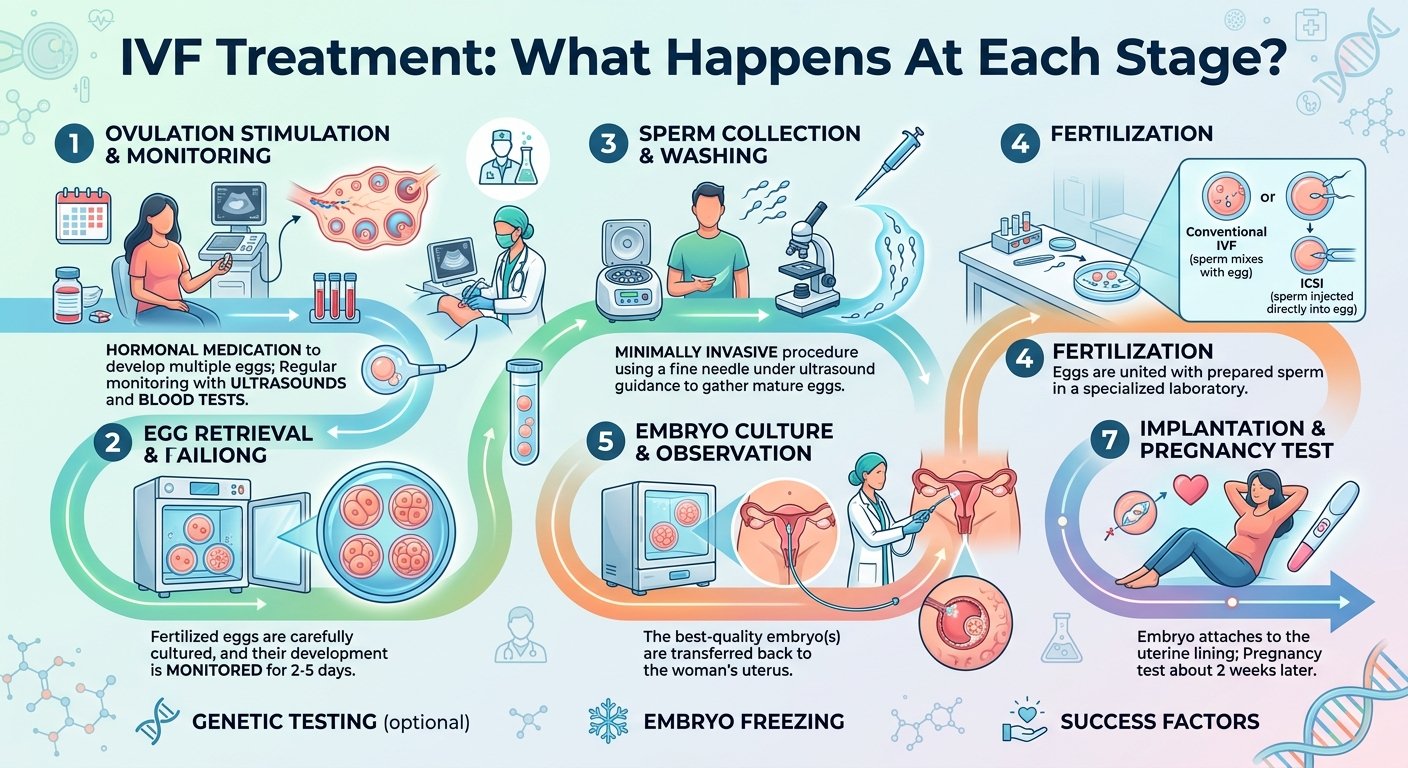
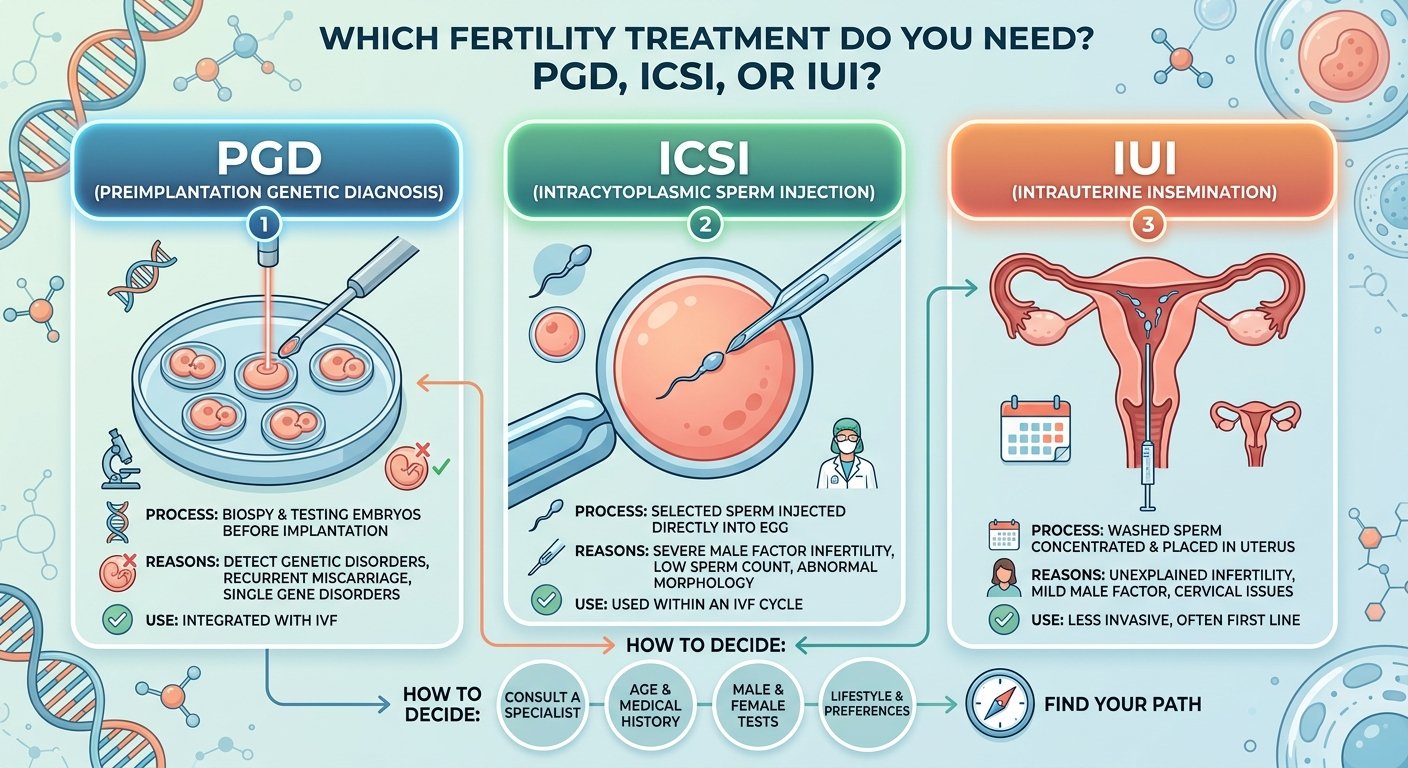
Njinsky IVF & Fertility Clinic also offers advanced treatments to help couples suffering from infertility.These treatments include IVF, IUI, and ICSI, which are suitable for couples of advanced age or those with reduced egg or sperm count.

Related Articles

Is IUI Painful? What Patients Should Expect?
22May

Is IUI Painful? What Patients Should Expect?

Many patients worry about pain before undergoing IUI treatment. This blog explains what the procedure feels like, possible discomfort, recovery, and how expert care can make the experience smoother and less stressful.

Smoking and Infertility: Effects on Men and Women
21May

Smoking and Infertility: Effects on Men and Women

Smoking can significantly reduce fertility in both men and women by affecting sperm quality, ovulation, and overall reproductive health.

Prolactin and Infertility: Causes, Symptoms & Treatment
20May

Prolactin and Infertility: Causes, Symptoms & Treatment

High prolactin levels are a commonly overlooked but treatable cause of infertility in both men and women.