Before directly thinking about infertility, it is important to understand what a retractile testicle actually means and how it can contribute to infertility. A retractile testicle is a common condition in males in which the testicle moves back and forth between the scrotum and the groin. In most cases, a retractile testicle does not cause infertility. However, regular follow-ups are required, as in some boys a retractile testicle may become an ascending (acquired undescended) testicle — a testicular condition that can affect fertility.
What is a retractile testicle?
A retractile testicle is one that moves back and forth between the scrotum and the groin due to an overactive cremasteric reflex — a temporary response. This usually happens in response to fear, cold temperatures, and physical stimulation, and is usually not a cause for concern.
Unlike an undescended testicle, a retractile testicle:
Can be gently moved into the scrotum during examination.
Remains in the scrotum without tension for some time before retracting again.
Usually descends normally during relaxation or sleep.
Most retractile testicles resolve naturally by puberty.
Impact of a retractile testicle on conception
A normal retractile testicle does not affect fertility in most cases. However, problems usually arise when the testicle remains away from the scrotum for longer periods of time. Testicles need to stay in the scrotum because normal sperm production requires the cooler temperature there. In some cases, the retractile testicle may become an ascending testicle (undescended testis). This condition is known as acquired cryptorchidism and does carry fertility risks.
Therefore, it is important to monitor for symptoms of a retractile testicle from an early age with regular follow-ups.
Symptoms of retractile testicles are as follows:
Move between the groin and scrotum.
Be present in the scrotum at some times but absent at others.
Be more noticeable during cold weather or stress.
Usually causes no pain or discomfort.
Diagnosis of reproductive health problems
A retractile testicle can be diagnosed during childhood through examination by a healthcare physician and is usually not a fertility concern. However, it is important to monitor cases where the testicle remains undescended for longer periods of time, testicular growth is impaired, or other conditions are present that can affect fertility.
During the examination, the doctor checks whether the testicle:
Can be gently brought into the scrotum.
Remains there without significant tension.
Retracts only after stimulation of the cremasteric reflex.
Imaging tests are generally not required for a typical retractile testicle.
Treatment options for fertility issues
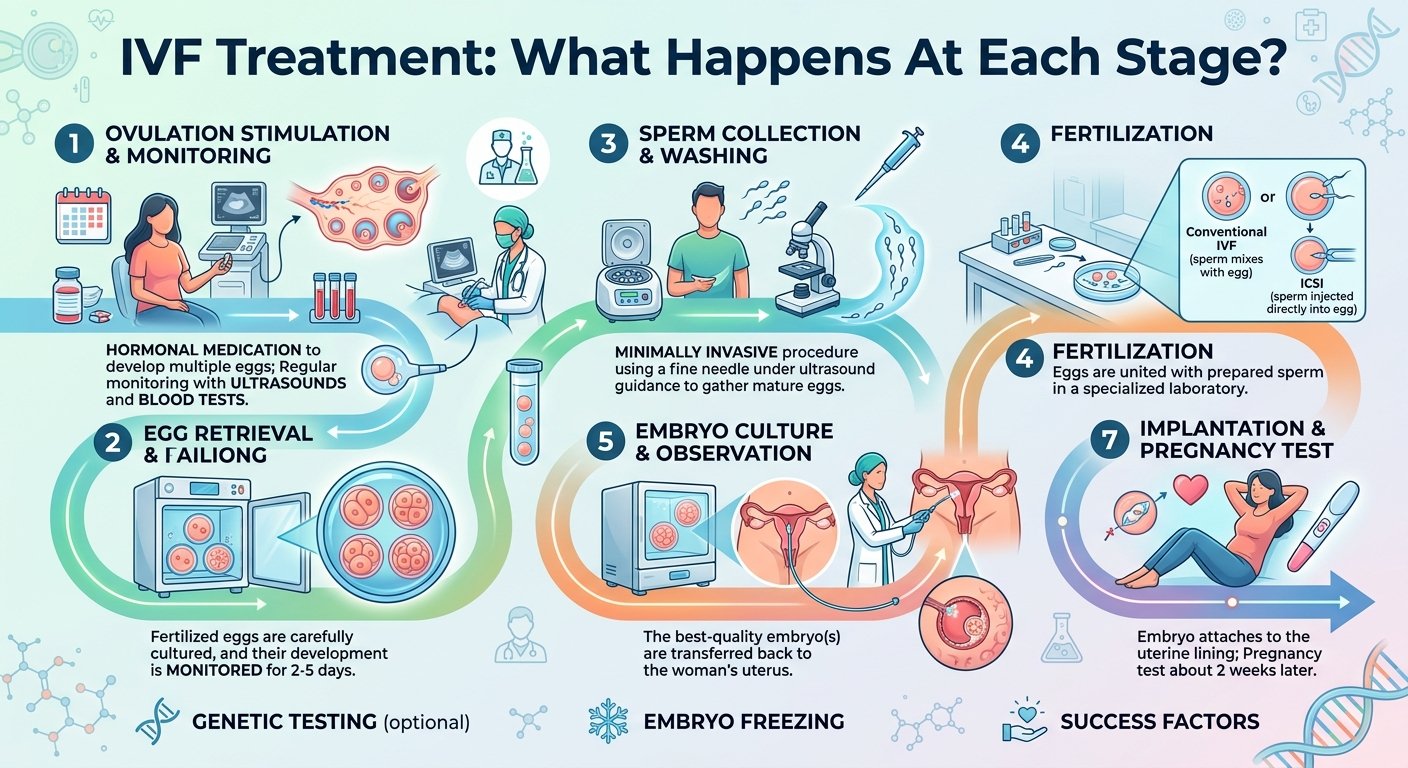
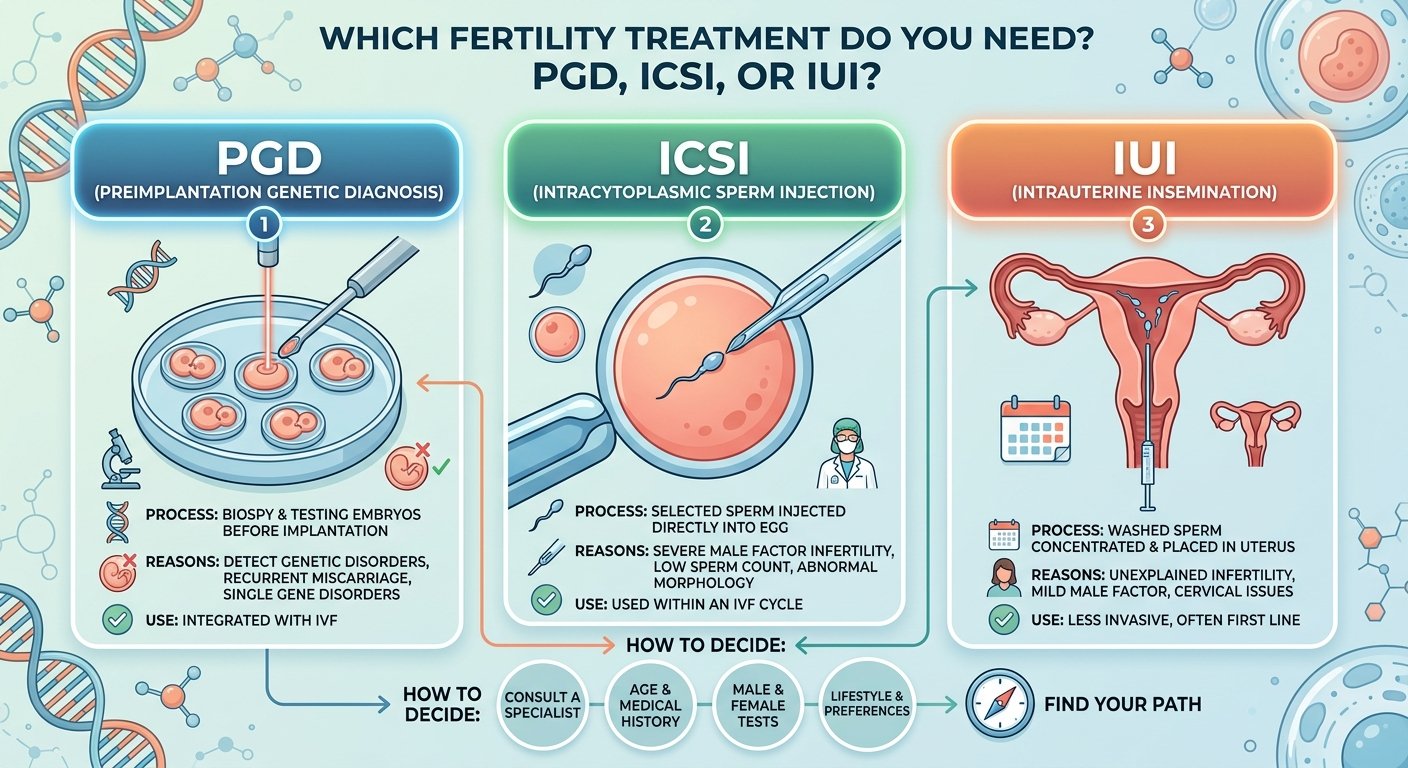
A retractile testicle usually does not require surgery. Doctors simply recommend regular follow-ups and monitoring. If the testicle becomes an ascending (acquired undescended) testicle, orchiopexy is generally recommended. Adults with a history of retractile testicle are able to reproduce naturally in most cases. However, if a male with a history of retractile testicle is unable to conceive after one year of regular, unprotected intercourse, further evaluation is usually required. The first step in assessing male infertility is semen analysis. If a man has a low sperm count, male infertility treatment depends on the cause and may include lifestyle changes, medical therapy, varicocele repair, or assisted reproduction. In some cases, the problem involves both partners, which also requires female infertility treatments, such as ovulation induction for couples opting for IVF.
Njinsky IVF & Fertility Clinic
At Njinsky, we offer couples a wide range of infertility treatments for both males and females. We handle our patients with compassion and care. Our clinic is staffed by a team of fertility experts who can monitor retractile testicles during childhood with annual follow-ups until puberty. We also offer semen analysis for males to identify the root cause of infertility. We help couples achieve their dream of parenthood and support them throughout their journey with infertility.