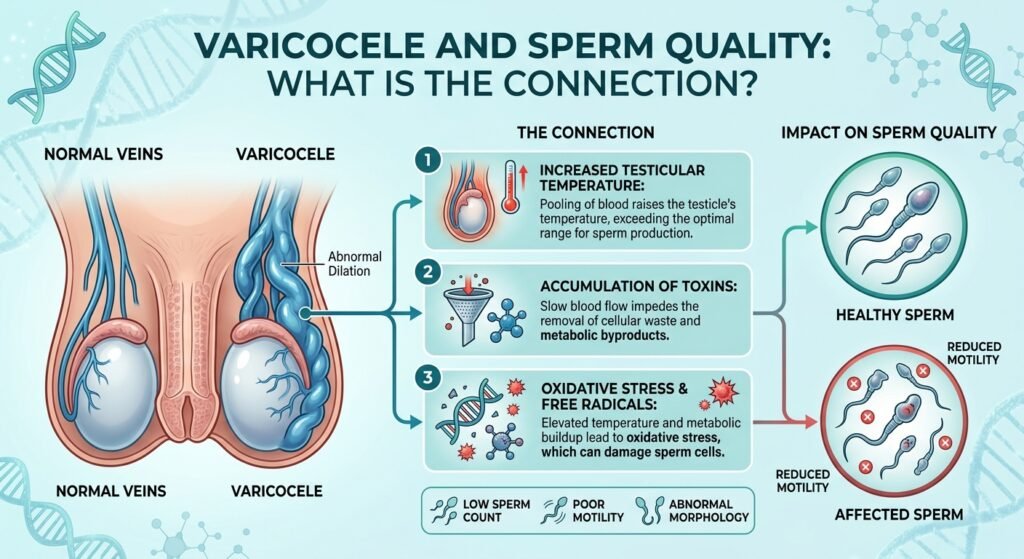
What if the production of sperm is also influenced by an illness that influences the veins surrounding the testicles? In comparison to varicose veins that may develop in the limbs, a varicocele is an expansion of the veins within the scrotum.
The varicocele may at times cause problems for the body’s ability for the most effective sperm production. Meanwhile, there are some men with this condition who have reproductive problems as well.
Men have been more prone to varicocele and it is identified more often in men who undergo screening for sterility. Before identifying the condition, if the medication is essential, an accurate assessment is required given that its impacts might vary from one individual to another.
Varicocele Major Causes and Warning Factors
When blood fails to circulate effectively via the vein that drains the testicles, this condition called varicocele develops.
The veins might enlarge as an outcome of the blood gathering within them. Given the peculiarities in the morphological anatomy and draining of the testicular veins, varicoceles are more frequently on the side facing the left. Furthermore, they can show up on the opposite side, though less often, on the right side.
Some of the elements associated to varicocele are;
- Irregular or insufficient circulatory system via the testicles veins
- Modification in normal venous drainage
- Increased vein pressure
- Happens at age during the development of testicular tissues, notably in puberty as well as early adulthood
The varicocele might show naturally and go decades without being identified. Not every varicocele hinders fertility and shows apparent warning signs.
Effect of Varicocele on Sperm Quality, Motility, and Quantity
Why is the condition of sperm impacted by enlarged veins encircling the testes?
For regular sperm generation, male testicles require a somewhat colder environment than the human body’s internal temperature. The human body’s ability to regulate the testicular temperature can potentially be impeded by varicocele. The cells that participate in sperm motility can potentially be altered by the flow of the blood, the outside temperature, oxidative stress, and other biological factors.
Hence, certain men with varicocele might exhibit abnormal sperm factors such as;
- Sperm Quantity: The medical condition varicocele might be associated with lower sperm yield which could lower the total quantity of the sperm.
- Sperm Motility: Sperm might encounter problems with moving efficiently, which might make it more challenging for the sperm to travel through the reproductive system of the female and fuse with the egg.
- Sperm Quality: Varicocele can be additionally associated with impaired sperm function and heightened oxidative damage, this could result in a direct impact on sperm during the process of fertilization.
Varicocele’s Symptoms and Diagnosis
Being aware of the fact that varicocele may fail to produce noticeable symptoms represents one of its challenges. For some men, it is only determined after a fertility checkup.
Some signs do appear, they might consist of the following factors;
- A torturous pain or discomfort in the testicles
- Feeling of heaviness in the scrotum
- Large and more prominent veins
- Changes in the size of the testes
- Fertility issues
If you are attempting to diagnose clinically applicable varicocele, a thorough physical exam is essential. As the patient is being treated by the doctors, they may examine the scrotum and encourage the patient to carry out a Valsalva maneuver, which could be used to detect veins swelling.
How Can You Treat Varicocele?
Can fertility be increased by receiving varicocele treatment? The answer to this relies on the specific conditions.
Treatment is not mandatory for every varicocele. Men who fail to show any of the symptoms or indications associated with infertility conditions can simply just be monitored.
When infertility and odd sperm characteristics coincide with the visible varicocele, treatment can potentially be recommended. Varicoelectomy, a surgical process that blocks or redirects the blood flow from abnormal veins to the healthier vessels, is one medically proven treatment option. While restoring the aberrant veins, vital neighboring structures may be identified and maintained under microsurgical treatment techniques.
A different approach is percutaneous embolization, when a medical expert utilizes an image guided treatment in place of conventional surgical techniques to narrow down abnormal veins.
Considering that the sperm production is rather a slow process, alterations in semen characteristics may need some time to repair after the treatment. Identifying if the sperm quality, quantity and other variables have been changed by following detailed semen analysis.
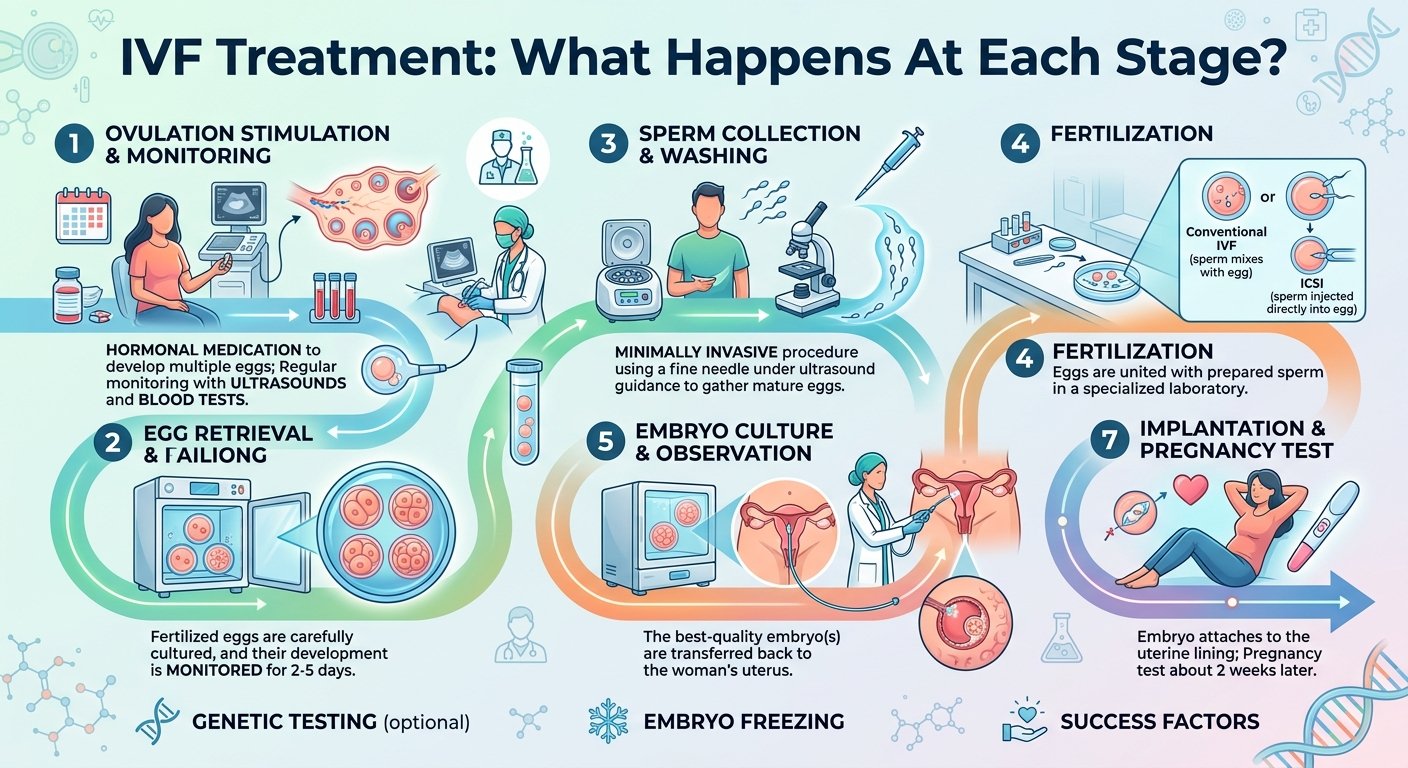
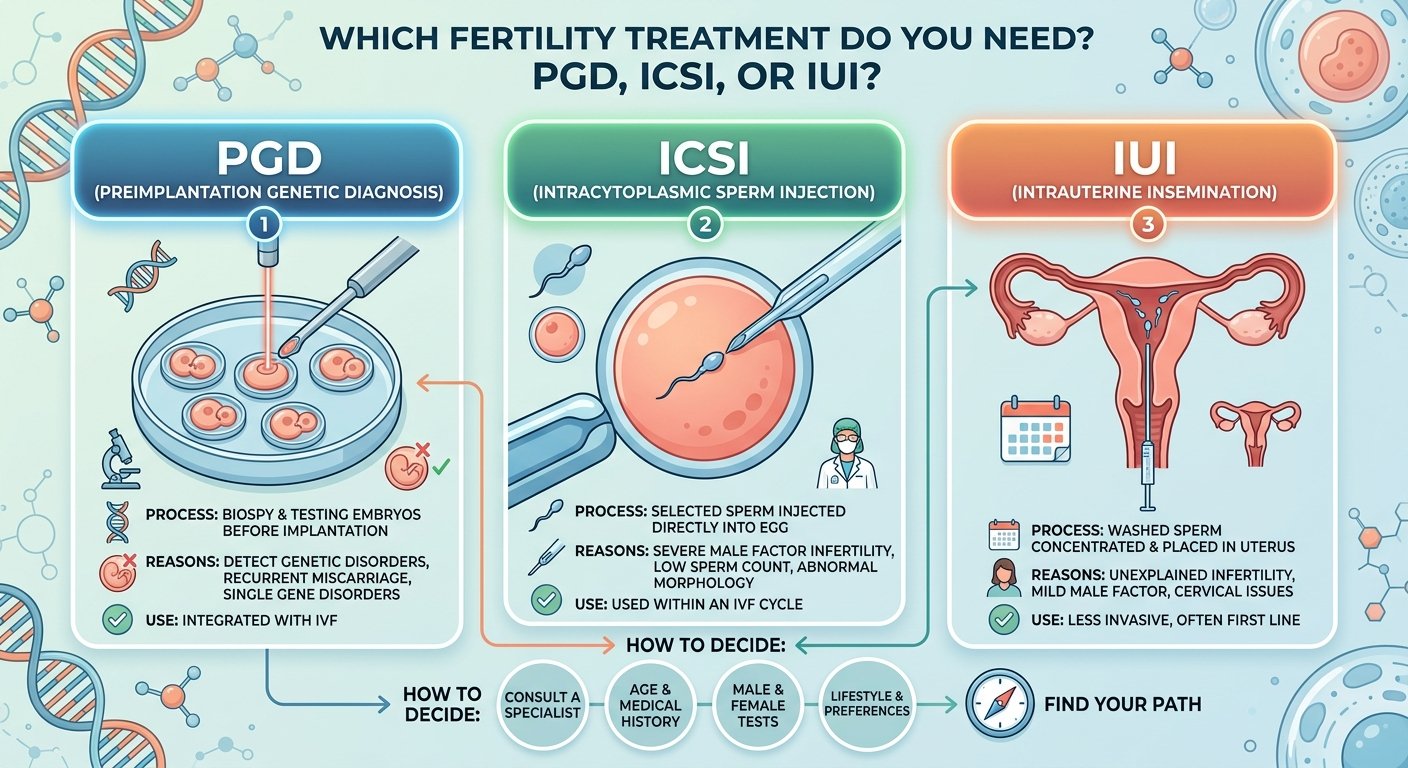
Depending on the couple’s total fertility assessment and the degree of male-factor infertility, assisted reproductive methods like IUI, IVF, or ICSI may also be taken into consideration for couples who are still having trouble getting pregnant.
How NJINSKY IVF & Fertility Clinic Can Help?
The condition varicocele is simply just one of many potential causes of male fertility issues. Men with infertility problems are capable of having their reproductive health and semen quality examined at NJINSKY IVF & Fertility Clinic in an effort to help reveal potential factors affecting the course of pregnancy.
The fertility specialist or andrologist may propose proper treatment options, such as standard medical care, surgical processes when required, or assisted reproductive technologies depending upon the results.
Finally
Is it possible that a varicocele is making it harder to conceive? Changes in sperm count, motility, or quality may be linked to enlarged veins surrounding the testicles, which can occasionally impact the environment necessary for optimal sperm production. A varicocele does not, however, always indicate infertility.
A thorough assessment can ascertain whether sperm parameters are impacted and whether the varicocele is clinically serious. Discussing the results with a urologist, andrologist, or fertility expert can help determine the best course of action if infertility issues continue.