What exactly transpires when it is difficult to maintain an erection, and the actual problem is not sperm production?
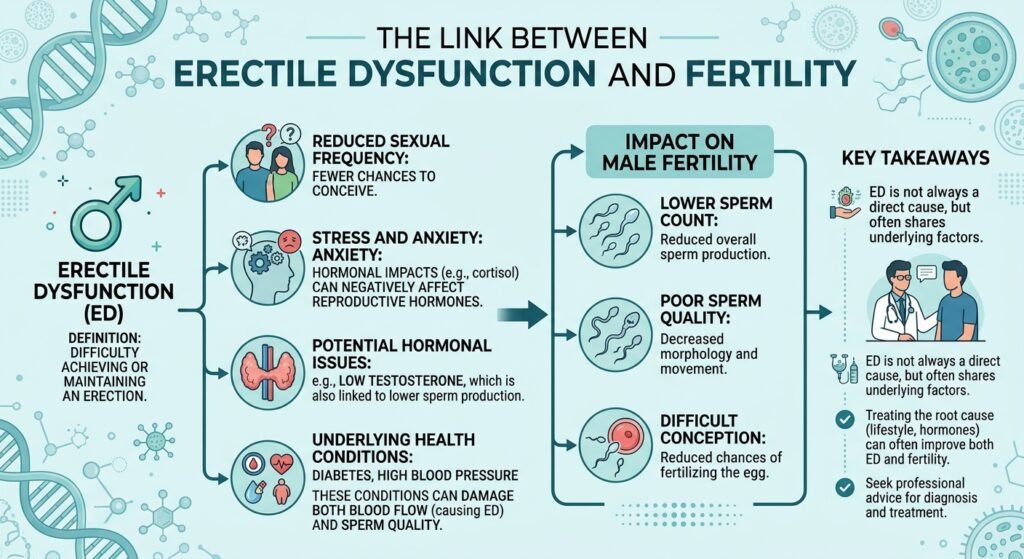
A common explanation of erectile dysfunction is the inability to have or maintain an erection sufficient for normal sexual conduct. While male factor infertility and erectile dysfunction (ED) are not exactly the same disorder, they can at times coexist.
Recurrent ED might make natural conception more challenging because an erection is needed for the sperm to be shifted into the female reproductive tract in unassisted conception. Men who suffer from infertility problems are also often examined for sexual health issues.
Furthermore, a man is unlikely to suffer from sperm production issues, regardless of whether he suffers from ED. Despite having healthy sperm, a man could experience problems getting or maintaining an erection.
Conversely, some infertile men might not develop any erectile dysfunction at all. Recognizing the difference can ensure that the correct matter is being dealt with.
The Common Causes of Erectile Dysfunction
A number of biological systems, particularly the vascular system, the nerves, the hormonal system, and psychological elements, must function together for an erection to develop.
Erectile functionality may be compromised if anything interferes with these systems.
Some of the most common contributing factors are:
- Diabetes, a condition in which increased blood sugar levels may adversely affect erection-related vessels and the associated nerves.
- Problems with the cardiovascular system and the blood vessels can limit the blood flow required to achieve an erection.
- Hormonal shifts, such as low testosterone levels and thyroid conditions, can further aggravate ED.
- Problems with the nervous system, such as neurological conditions, spinal cord injury, and nerve damage from surgery, can hamper erectile function.
- Medications, including various antidepressants, blood pressure medicines, tranquilizers, allergy medications, and pain relief drugs, can worsen the symptoms of ED.
- Psychological factors, including anxiety, fear, stress, depression, and low self-esteem, can bring on ED.
- Lifestyle habits, such as alcohol use, smoking, recreational drug use, and lack of physical activity, are all likely to raise the risk of ED.
This is why ED should not always be perceived as an independent sexual problem. It may suggest that an additional medical condition needs to be treated in some men.
The Effect of ED on Fertility and Conception
Sometimes, even though sperm production is regular, difficulty in retaining an erection can reach the point where it actually inhibits conception.
Sperm are required to be sent into the female reproductive system during normal sexual activity in order for conception to happen spontaneously. Ejaculation or sperm implantation might prove to be difficult or impossible if a man usually struggles to sustain an erection sufficient for normal sexual behavior.
Consequently, ED can cause an indirect influence on fertility. It can sometimes harm the sperm and reduce the sperm production. Furthermore, it can hinder the sexual activity that is required for conception. This difference is especially important because dealing with sperm-related reproductive problems is not usually the same as addressing ED.
When a couple is already struggling with fertility issues, the erection problem might become significantly more challenging. Repeated conception attempts, stress related to sexual performance, anxiety, and emotional stress regarding the possible outcome can all produce or worsen the sexual problems. Therefore, rather than relying solely on fertility results, fertility screenings should be considered to assess both the sexual and reproductive capabilities.
Symptoms of Erectile Dysfunction, Diagnosis, and Fertility Evaluation
The visual manifestation of ED varies from man to man. While some men might find it hard to produce an erection, others might occasionally experience problems maintaining it.
Possible warning signs include:
- Struggling to maintain an erection during sexual activity
- Erections not sufficient for regular sexual activity
- Variability in erectile function
- Reduced libido
A comprehensive medical and sexual examination is usually the first step in the process of diagnosis. A healthcare specialist may inquire about the origin and regular occurrence of the signs and symptoms, medicines, current medical disorders, lifestyle habits, mental health, and sexual history.
When needed, the standard physical examination along with specialized laboratory analysis can additionally be performed. The evaluation could proceed deeper if ED exists alongside other problems related to fertility.
Male factor fertility can be evaluated using the patient’s reproductive history and standard semen analysis, and hormonal analysis may be recommended for men with ED and other hormonal problems.
Some Available Treatments
Proper and adequate treatment is contingent upon why ED is happening and whether there is an additional factor contributing to the male infertility. Treatment techniques might involve dealing with underlying problems, developing good lifestyle habits, getting medications from a specialist, or utilizing specific treatments for ED. Mental health and relationship guidance may be helpful when stress, anxiety, and other emotional factors contribute to the problems as well.
Treatment may involve:
- Getting a diagnosis for any underlying disorder
- Semen analysis and evaluation
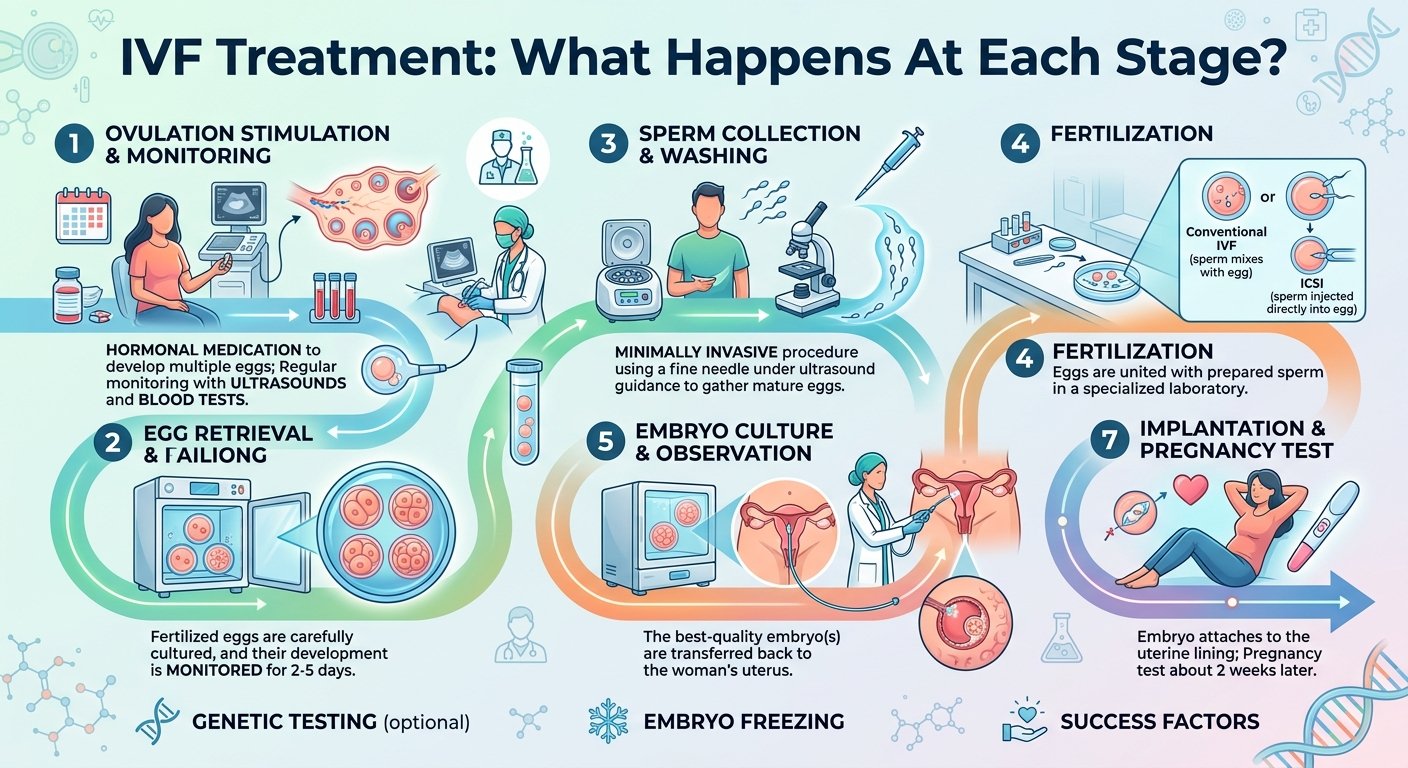
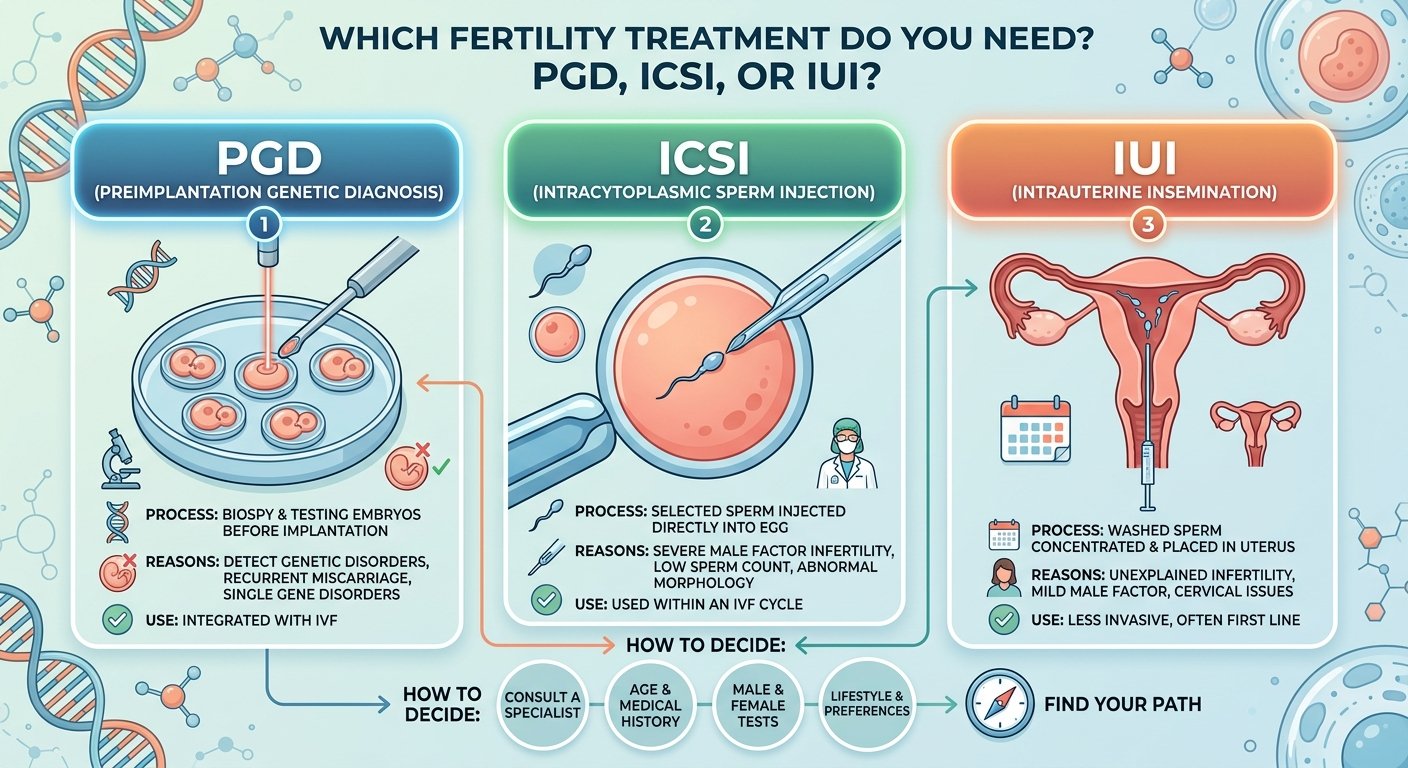
- Assisted reproductive technologies
It is necessary to be mindful of the fact that ED does not always indicate the need for assisted reproductive services. Sexual ability can be improved if the root cause of the problem can be identified and tackled efficiently.
However, a fertility professional can help identify whether treating the root cause, standard fertility care, or a variety of other strategies will be effective when further reproductive factors are evident.
How Can NJINSKY IVF & Fertility Clinic Help?
Even though addressing erectile dysfunction can be uncomfortable for some people, it may also offer an opportunity to discover the underlying fertility and health problem. Men who struggle with conceiving should have their fertility and sexual health assessed at NJINSKY IVF & Fertility Clinic, including extensive sperm analysis and expert advice.
An andrologist, a urologist, and a fertility expert may be helpful in figuring out whether the matter is related to sperm health, erectile dysfunction, hormonal changes, or a combination of conditions, depending on the evaluation outcomes.