Many families who are trying to conceive a child are plagued by infertility, a growing global issue. In situations where pregnancy naturally is problematic, several kinds of assisted reproduction methods are now offering people hope thanks to recent breakthroughs in reproductive healthcare. The ICSI treatment (Intracytoplasmic Sperm Injection) has become one of the most widely used and effective techniques.
This in-depth overview will cover all of it in simple and understandable words explaining how ICSI works, who requires it and why it has become a revolutionary development in reproductive health care.
Intracytoplasmic Sperm Injection
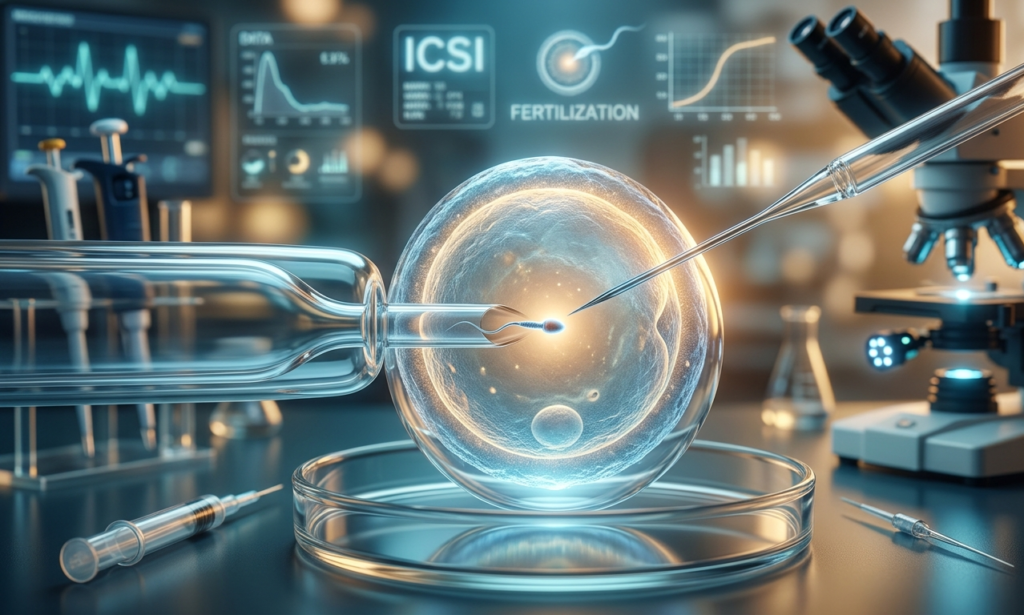
As a relevant component of IVF, ICSI procedure is a modern fertility treatment. This method utilises a small needle to insert a single sperm directly into the cytoplasm of the egg.
ICSI eliminates the need for sperms to travel towards the egg as compared to normal fertilization. It lets the fertilization happen even when the normal functioning of the sperm is impaired.
Medical study demonstrates that ICSI has greatly benefited the fertilization results and is now regarded as an established and validated procedure for assisted reproduction technologies.
The Process of ICSI
The overall procedure of ICSI infertility treatment comprises of the following steps;
- Activation of ovaries through hormones
- Removal of the eggs
- The selection of sperm
- Microinjection
- Embryo culture or development
- Embryo transfer back in the uterus
In simple terms, ICSI treatment is a strictly controlled lab procedure aimed to improve the success rate of conception, in situations where biological and standard IVF procedures fail.
Why was ICSI developed?
Numerous couples had suffered from failed IVF fertilization before undergoing ICSI caused by sperm-associated issues. ICSI was originally designed by researchers to specifically aid in conception.
Based on researched data, poor sperm motility or stimulation of the eggs usually results in unsuccessful fertilization. By inserting the sperm straight into the egg, ICSI bypasses several barriers and initiates the process of fertilization.
Who Requires ICSI Therapy?
In plenty of situations, the ICSI treatment is recommended;
Extreme Male Infertility
Past IVF Fails
ICSI increases the chances of conception if fertilization could not happen following prior IVF attempts.
Azoospermia (Absence of sperm in semen)
Sperms are removed and used in ICSI treatment procedures.
Utilizing Donor or Frozen Sperm
Through the use of preserved samples, ICSI improves the fertilization success rates.
Advantages of ICSI Therapy
There are many benefits of the ICSI treatment process;
- Relatively high fertilization rates
- Needs only one sperm per egg
- Effective in cases of extreme infertility
- Lower chances of fertilization failure
Learn the Difference Between IVF and ICSI
Even though ICSI and IVF are both highly advanced reproductive therapies, the main difference between the two is in the manner fertilization happens. In a typical IVF process, sperm and eggs are left to fuse inside the lab dish to ensure that fertilization happens naturally. When the condition of sperm is normal, this procedure is effective.
Contrary to that, the ICSI method employs a specialized microscope to precisely inject a single sperm into the egg. Due to this, it operates very effectively when sperm lack the ability to fuse with the egg naturally because of poor movement, abnormal morphology and insufficient quality.
The extent of precision is another major difference. The ICSI is strictly specific and controlled which enables specialists to pick the most suitable sperm for conception.
This greatly decreases the probability of failed fertilization, especially when extreme infertility. ICSI is frequently selected when previous IVF cycles have been unsuccessful or when male infertility is the major hindrance. Both methods are beneficial, however, the decision relies on the couple’s medical history along with specialist advice.
ICSI Effectiveness
ICSI efficacy is based on a range of variables;
- Age of the female partner
- Sperm and Egg quality
- Sperm’s morphology
- The expertise of the fertility clinic
Generally, the success probability of pregnancy continues to depend on the quality and implantation of the embryos, even if ICSI boosts the fertilization chances.
Dangers and Limitations
Although the ICSI general procedure is secure, there are still some concerns.
- Egg damage due to injection
- Multiple pregnancies due to transfer of more than embryos
- Financial and emotional stress
Still, these dangers are minimized when a skilled fertility specialist like Dr. Madeeha Asad deals with it.
Emotional Aspects of ICSI Treatment
It is sometimes emotionally draining to go through reproductive treatment. Couples may encounter;
- Anxiety due to waiting periods
- Fear of the results
- Financial concerns
Navigating the journey is made much easier with the backing of the family and right medical facilities like NJINSKY IVF & Fertility Clinic.
Getting Ready For ICSI Therapy
With the goal to improve the success rate, patients should;
- Maintain a healthy diet
- Stay away from drinking and smoking
- Reduce Stress Levels
- Follow medical advice
At Last
Couples contemplating fertility options must know what is the ICSI treatment and what it includes. Especially in cases of chronic infertility, the ICSI treatment procedure gives a powerful approach to treat fertilization disorders.
ICSI has established fresh possibilities for parenthood by directly encouraging the procedure of fertilization. A lot of couples are capable of fulfilling their dream of becoming parents when provided with appropriate medical facilities such as NJINKSY IVF & Fertility Clinic, consultations from specialists like Dr. Madeeha Asad and emotional support from the family.