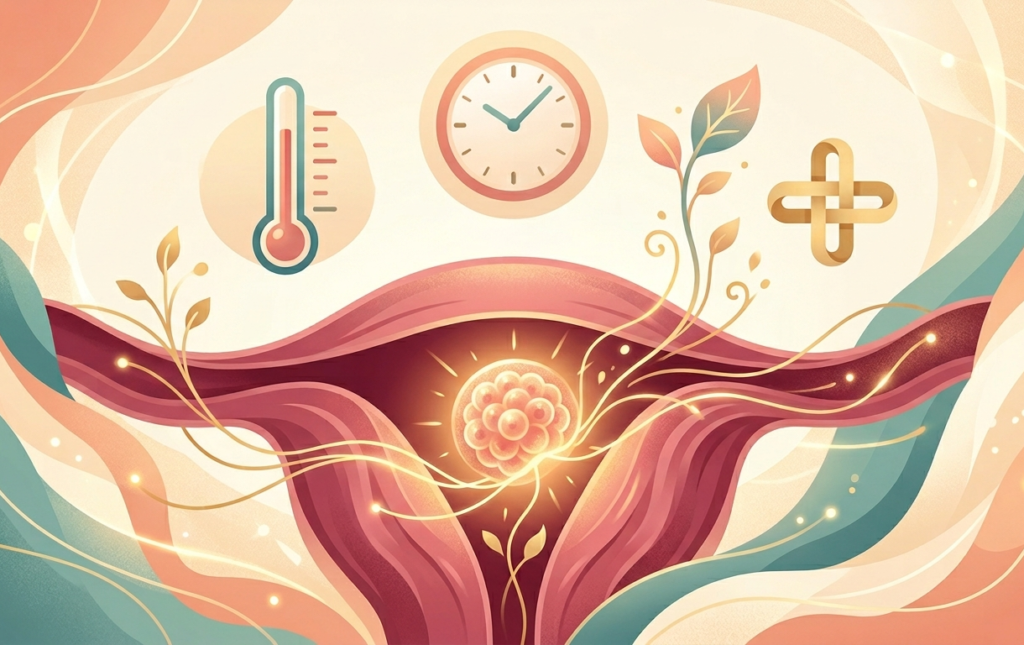
The days after the IUI procedure are sometimes emotionally draining for couples seeking fertility treatments. Many patients start carefully inspecting their bodies once the treatment is finished, seeking confirmation if the implantation has happened or not. For this purpose, one of the most fertility related topics is learning about the signs of successful IUI.
Although each patient’s experience with fertility treatment is different, some physical and hormonal changes can suggest a positive outcome. It’s just as important to understand that being pregnant can’t be confirmed by symptoms alone. While some women may not show symptoms at all, yet continue to have a good and healthy pregnancy, others may show some early signs.
This blog unveils some early signs of successful IUI, the bodily changes after the procedure, what are normal symptoms and when to take the pregnancy test.
Intrauterine Insemination or IUI
It’s essential to fully understand the procedure of IUI before addressing the signs of pregnancy.
This fertility procedure termed as Intrauterine Insemination or IUI requires insertion of healthy and processed sperm inside the uterus of the female partner during the time of ovulation.
This boosts the ability of the sperm to fuse with the egg and increase the chance of fertilization.
What Happens After IUI?
After the IUI procedure is done;
- Sperm travels in the direction of fallopian tubes.
- If the sperm and egg fuse, fertilization may take place
- After a few days later, the fertilized embryo may implant itself in the lining of the uterus
The hormones of pregnancy begin to increase if the implantation was successful.
When Do the Symptoms of Successful IUI Start?
The vast majority of prenatal symptoms do not show immediately.
After IUI, the timeframe is usually;
- Days 1-5: The process of fertilization and growth of the embryo
- Days 6-10: Implantation happens
- Days 10-14: The levels of pregnancy hormones increases
Around the time of implantation or shortly after, some women may feel mild early pregnancy symptoms, while others may not show any symptoms at all.
Common Signs of Successful IUI
While every patient’s symptoms are unique, a few typical signs could point to an early gestation and a successful fertilization.
1. Cramps during Implantation
One of the initial indications of an effective IUI is mild cramping. During the time of implantation, when embryo has to attach itself with the uterus lining, this can happen;
- You can feel a little discomfort in the pelvic area
- Mild to moderate temporary cramps
These cramps are usually mild and shorter in duration as compared to menstrual cramps
2. Bleeding During Implantation
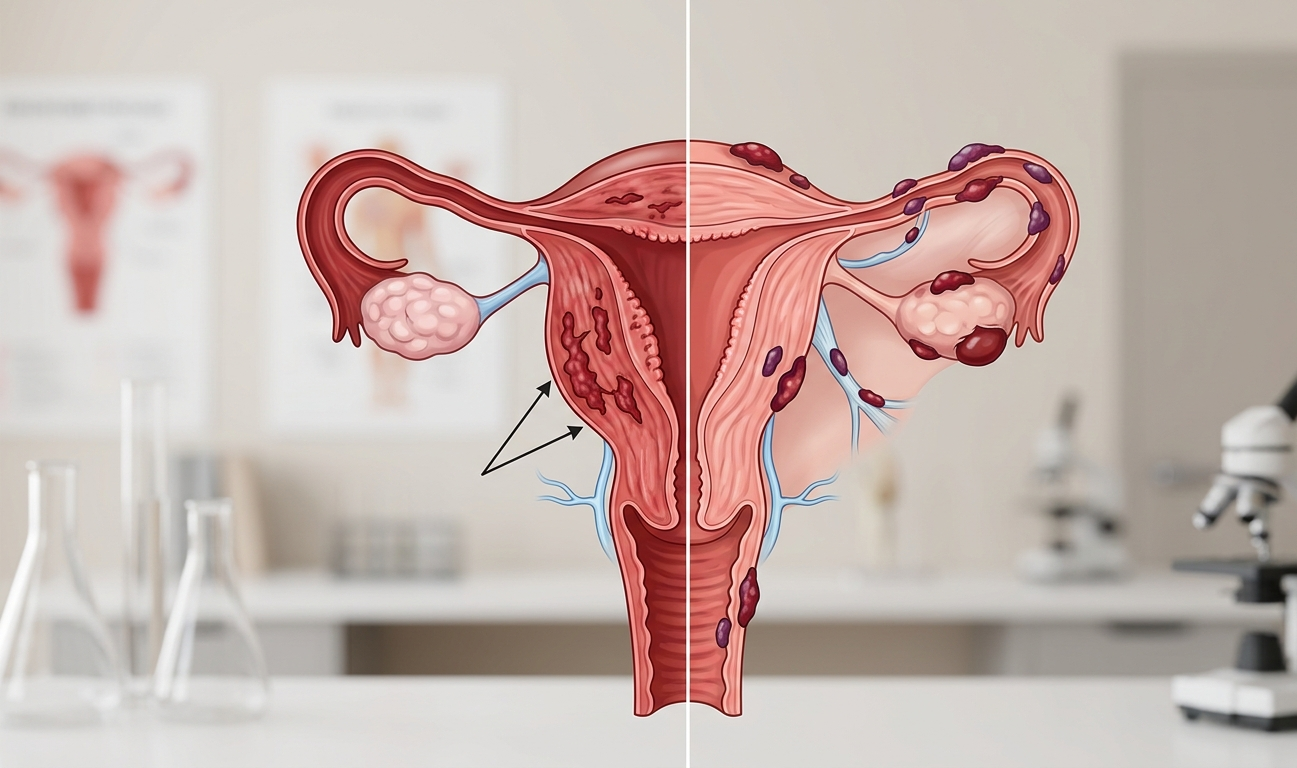
After the procedure, some women exhibit very little spotting. This spotting may appear as:
- Light pink
- Brownish
- Very low quantity
In contrast to a normal monthly cycle, bleeding after implantation is usually less severe.
3. Delayed or missed periods
A missed menstruation is among the most prominent signs of pregnancy after IUI. Conception may have happened if the period does not start within the estimated timeframe.
However, a pregnancy test is still necessary since fertility medication can also alter the menstruation cycle.
4. Sensitivity in the breasts
After the implantation has happened, there are considerable changes in the hormone levels. This can result in;
- Breast swelling and discomfort
- Increased sensitivity
Both the progesterone and hCG levels increase in early pregnancy, these signs appear often.
5. Fatigue and Tiredness
Women can experience;
- More sleepy than usual
- Low energy
- Easily worn out
6. Nausea and morning sickness
This may include;
- Mild nausea
- Sensitivity of certain foods
- Smell sensitivity increased
However, these symptoms often develop later and may not appear immediately after IUI.
7. Frequent Urination
Blood flow to kidneys and bladder may increase due to hormonal changes;
- More and frequent urination
- Increased thirst
This symptom may be more common later in pregnancy.
8. Mood Changes
The fluctuations in hormone levels affect the emotional well-being of the women.
9. Increased Basal Body Temperature
Elevated body temperature after the IUI procedure may suggest pregnancy. This sign is not always reliable, especially when fertile medications are being used.
10. Food Craving and Changes in Appetite
The changes in hormones may enhance appetite.
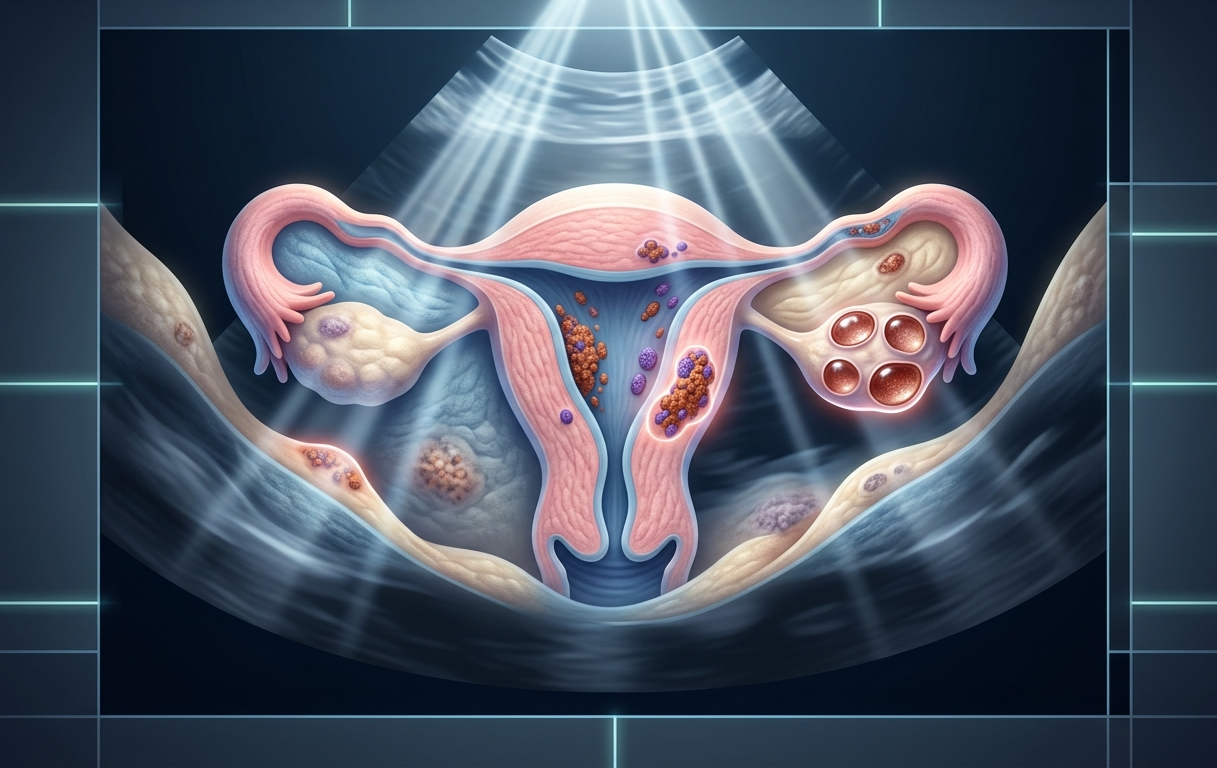
It’s crucial to keep in mind that symptoms by themselves cannot confirm whether an IUI cycle was successful. A pregnancy test and medical assessment are necessary for accurate confirmation.
Pregnancy But With No Symptoms
Yes, it’s truly possible to be pregnant without showing any of the symptoms mentioned above.
One of the most important things to realize is that IUI does not automatically fail if there are no symptoms.
Many women experience;
- No visible symptoms
- Minor changes in the body physique
- Symptoms of a late pregnancy
Each patient reacts to the hormonal shifts in a distinctive manner.
Symptoms That Are Not Reliable Indicators
- Fertility Medications Causing Similar Symptoms
After IUI, certain symptoms could fail to actually be the signs of pregnancy. The fertility medications including, the progesterone supplements could result in;
- Breast sensitivity and tenderness
- Bloating and fatigue
- Mild cramps
As a result, symptoms alone can not confirm a successful implantation.
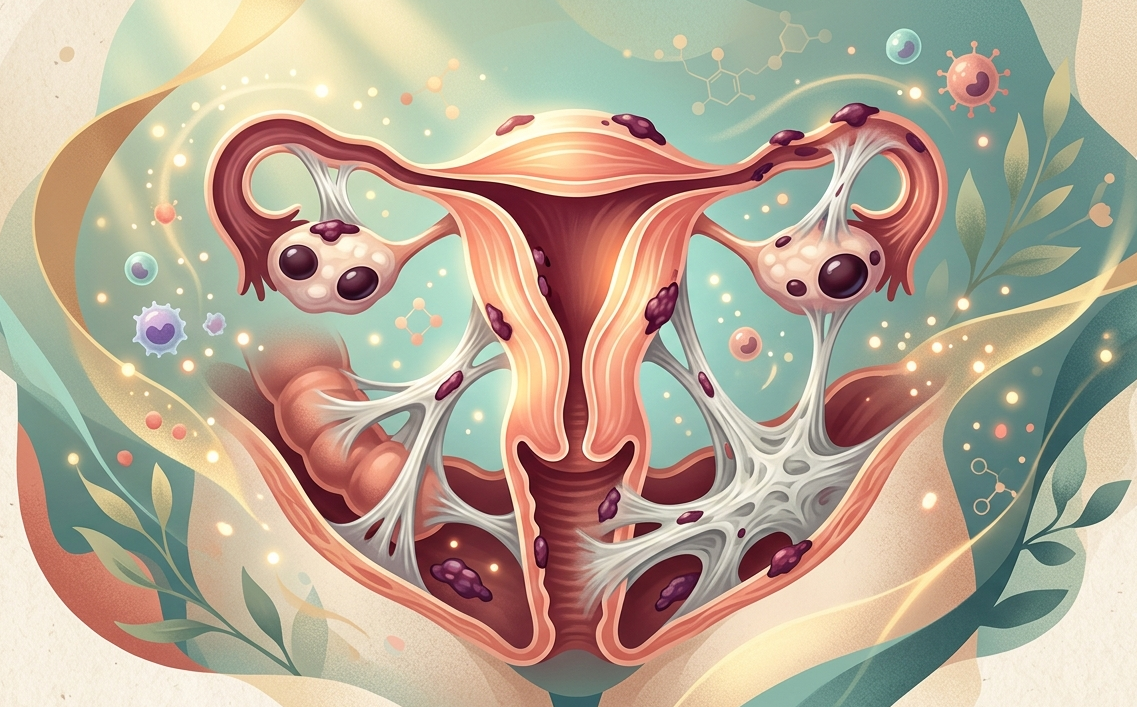
- Cramping
- Can occur due to ovulation or hormonal changes
- Not a sure sign of pregnancy
- Spotting
Can happen without conception.
Factors Affecting IUI Success
Pregnancy success mainly depends on a variety of factors, even when signs appear promising.
- Age of the female partner
- Quality of the sperm
- Ovulation Timings
- Uterine health
- Hormonal balance
Lifestyle Habits After IUI
What should be done immediately after the procedure is done, is a frequently asked query among the patients.
Some useful habits are;
- Stay hydrated
- Eating balanced meals
- Avoid alcohol and smoking
- Avoid stressful situations
- Follow doctors advice carefully
All in all, reproductive health is maintained by adopting good lifestyle habits.
Debunking Some Myths About IUI
Myth1: Symptoms should guarantee pregnancy
Reality: Symptoms by themselves can not confirm pregnancy
Myth2: No visible symptoms means IUI procedure has failed
Reality: Numerous successful and health pregnancies begin with no signs
Myth3: Bleeding in implantation happens to everyone
Reality: Many women do not experience any bleeding
When To Consult the Doctor?
Patients ought to speak with their fertility specialists in one of the following situations;
- Intense Pain
- Major bleeding and Fever
- Severe discomfort
Right Clinic Means Right Fertility Decision
The success rate of an IUI cycle is heavily dependent upon precise tracking of the ovulation, accurate timings, and the standard fertility care given by the clinic of choice. Selecting a trusted reproductive health service can improve medical treatment outcomes and patients satisfactions.
At NJINSKY IVF & Fertility Clinic, precise ovulation monitoring both during and after IUI treatment, individualized treatment plans, and evidence-based fertility care are top priorities. In order to improve treatment outcomes and raise overall rate of success, the clinic focuses on patient-centered fertility management, sophisticated sperm sample processing, and thorough hormonal monitoring
At IUI post-treatment waiting phase, an organized and technically led approach is particularly important to help patients in better understanding of the potential signs of successful implantation and progress in conception.
Conclusion
Patients might feel more informed and mentally prepared during the fertility treatment if they have been made aware of the possible indicators of a successful IUI. Despite the fact, these signs that include mild to moderate cramps, discomfort, implantation spotting, fatigue, breast sensitivity and missed menstrual cycles may suggest successful implantation but are still not confirmatory symptoms of pregnancy.
Each person’s fertility journey is unique. While some women exhibit multiple signs and symptoms, others show nothing at all and still have healthy pregnancies.
Adequate medical examinations at an appropriate time is the highly reliable way of confirming pregnancy after IUI. Many people are successful in their journey towards parenthood, with patience, realistic expectations and supportive fertility care in centers like NJINSKY IVF & Fertility Clinic.