Intrauterine Insemination or IUI is the beginning stage of fertility therapy for many couples. In comparison to techniques like IVF or ICSI, it’s easier, minimally invasive and more affordable. But not all cycles of IUI result in pregnancy, even after thorough planning and proper care. Patients often ask why IUI is not successful and what is the reason behind it.
Couples can make informed decisions and achieve better treatment results when they are mindful of possible causes of faulty results. One negative session does not necessarily indicate that the fertility procedures are useless. The effectiveness of IUI is determined by a variety of biological factors associated with fertility. The science behind unsuccessful cycles, the most common causes of failure and what couples should do moving forward, is all explained in this blog.
What Is IUI Procedure?
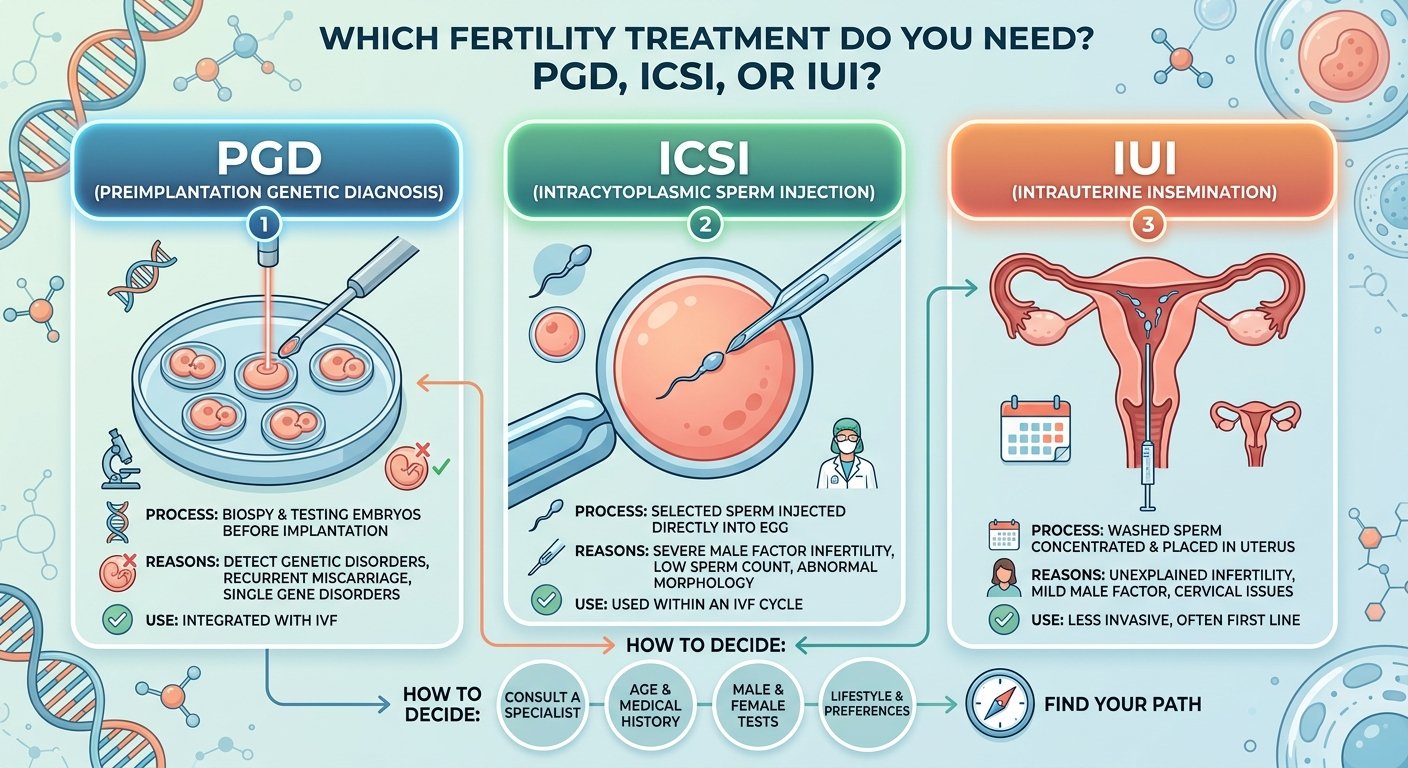
It is essential to be familiar with the IUI procedure prior to addressing why it fails. During the time of ovulation, specifically prepared and healthy sperm is inserted in the uterus, whereby the sperm will easily reach the egg and fertilize it.
This procedure is often suggested for people with;
- Mild male infertility
- Ovulation disorders
- Mild Endometriosis
- Unexplained infertility
- Cervical stenosis
Although IUI elevates the chances of conception but does not guarantee pregnancy.
Why Does IUI not Always Work?
Many patients hold the view that pregnancy should happen right away if sperms are directly placed inside the uterus. However, there are actually many biological factors affecting both the fertilization and implantation.
An IUI cycle fails if;
- Ovulation timing is not optimal
- Fertilization didn’t happen
- Embryo couldn’t implant
- Inadequate hormonal support
Natural conception is not something that happens every month, even among healthy couples. This applies to conventional fertility treatments as well.
Root Causes of IUI Failure
IUI failure involves a variety of proven medical reasons. Some of them are discussed below;
- Fertility Decline Due To Age
Age represents one of the most prevalent reasons for IUI failure.
As the time goes by, female fertility normally declines, mainly after the age of 35. Fertilization and implantation get more challenging when egg quality and quantity decrease. The success rate of IUI is often reduced for women over the age of 40, and many specialists recommend switching towards IVF or ICSI in these cases.
- Poor quality of eggs
Poor quality of eggs may impede efficient fertilization and embryo formation even during the situation in which fertilization occurs properly. The quality of eggs might be affected by;
- Becoming older
- Smoking
- Hormonal Imbalance
- Decreased reserves of the ovaries
- PCOS
- Chromosomal abnormalities in poor quality eggs
These factors might reduce the probability of successful fertilization.
- Poor quality of sperms
Although sperm washing and preparation enhance sperm concentration and motility, underlying sperm abnormalities can still significantly impact IUI success rates.
Challenges can be;
Despite being thoroughly prepared, sperm can sometimes fail to fertilize the egg.
- Incorrect Time of Ovulation
One of the most significant factors in the efficacy of IUI is the timeline of ovulation. The insemination has to take place in near proximity with the time of ovulation. If it’s too soon or late;
- Before the egg is released, the sperms may not survive long enough to fertilize the egg
- The egg may not be healthy anymore
The rates of success may significantly be reduced even with small timing errors.
- Issues with the Endometrial Lining
Embryo implantation requires a healthy uterine lining. Even if fertilization takes place, implantation may be hindered by an aberrant or thin endometrial lining.
Typical problems consist of:
- Thin lining
- Polyps and Fibroids
- Chronic inflammation
- Inadequate blood flow
During implantation, a healthy lining typically ranges from 7 to 14 mm.
- Ovulation Disorders
Some women have ovulation problems, which reduces the probability of conception. Problems with ovulation might involve;
- Ovulation irregularities
- Delay in ovulation
- Anovulation or lack of ovulation
The process of fertilization is not possible with absence of proper egg release.
- Fallopian Tube Blockage
If the fallopian tubes are blocked or damaged, conception is unable to happen regardless of adequate insemination.
For this reason, when contemplating on the treatment procedure of IUI, doctors often conduct HSG tests.
- Endometriosis
Fertility may be adversely affected by conditions like endometriosis:
- Reduced egg quality
- Causing pelvic inflammation
- Significant impact on implantation
Signs That Could Signal IUI Failure
There are usually no signs of failure before the pregnancy test. But some possible indications are outlined below;
- 12-14 days after IUI, menstrual bleeding
- Period like cramping
- Insufficient signs of pregnancy
However, signs alone are not reliable indicators of fertilization failure.
How To Improve the Success of IUI
Although it’s not consistently possible to prevent failure, certain strategies may yield better results.
- Correct Ovulation Timing Monitoring
- Medications of fertility
- Healthy lifestyle habits
- Addressing uterine problems
- Hormonal Problems
When to Switch From IUI to IVF
IVF may be a better option in some cases. IVF is suggested in situations when;
The IVF treatment method gives greater control over fertilization, embryo development and selection, which may boost the success rates in certain cases.
Emotional Impact of IUI Failure
A failed or unsuccessful IUI cycle can be emotionally exhausting. Couples often experience;
- Disappointment
- Fear and anxiety
- Worry about results
However, the entire fertility journey can not be defined by just one unsuccessful cycle. After adjusting the treatment plan, numerous couples eventually conceive.
Final Thoughts
Patients can approach reproductive treatment with realistic expectations when they understand why IUI is unsuccessful. IUI failure can have a variety of complicated factors, including uterine abnormalities, timing, hormonal balance, egg quality, and sperm health.
Fortunately, unsuccessful cycles offer insightful medical information that can inform future treatment strategies. Many couples increase their odds of success in subsequent cycles with the right diagnosis, lifestyle modifications, and professional reproductive care.
Even though IUI might not succeed for everyone right away, perseverance, precise treatment planning, and customized care under the best medical facility like NJINSKY IVF & Fertility Clinic, can have a big impact on getting pregnant.
Choose from the best IUI centers in Lahore to reduce the chances of IUI failure and improve your chances of a successful pregnancy.